
Introduction
How to Master the Art of Speaking is not just a catchy phrase; it’s a skill that can transform your personality, confidence, and prospects for the future. In today’s fast-paced society, the ability to express your ideas boldly and clearly is more important than ever. Developing proficiency in communication can lead to possibilities you never would have thought of, whether you’re a student getting ready for tests, an adolescent navigating social circles, or someone seeking to develop personally. However, many young people struggle with hesitation, fear of criticism, or simply a lack of knowledge to articulate their ideas and master the art of speaking.

Welcome, potential speakers! Have you ever found yourself in an argument, unsure of what to say or how to express it? Everyone has been there! The good news is that speaking is a skill that can be learnt, practised, and ultimately refined; it is not a gift that only a select few possess. Effective speaking trains your voice to symbolise confidence and purpose, just as meditation trains your mind for clarity and focus. You may change your communication style and create a powerful, impactful presence with the right guidance and steady effort for the art of speaking.
We’ll dive deep into the art of speaking in this blog and offer 10 powerful tips to help you uncover your inner orator. Speaking is more than just choosing the right words; it also involves creating relationships with others, expressing your thoughts, and making an impression. This guide has been designed for you if you want to ace a presentation, ace a job interview, or simply feel more confident in casual conversations.
1. Know Your Audience: The Key to Connection
“The art of conversation is the art of hearing as well as being heard.” – William Hazlitt
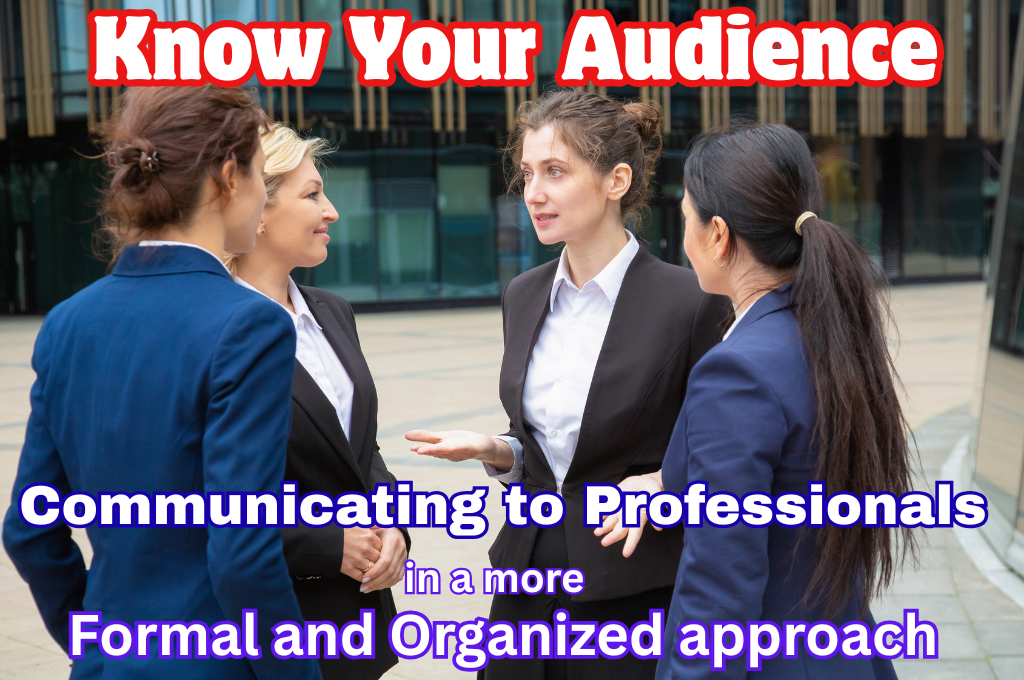
The first and foremost step in becoming a proficient speaker is understanding your audience. Consider who you are speaking to before you begin drafting your message. What issues, expectations, and interests do they have? Your words automatically turn more compelling, relatable, and relevant when you have a thorough understanding of your audience. It’s essential to change your tone, language, and examples since a message that attracts one group could not resonate at all with another. Interacting with teenagers, for instance, requires a more social and pleasant tone, while communicating with professionals may call for a more formal and organised approach to mastering the art of speaking.
In addition, knowing your audience enables you to establish a genuine connection. People are more likely to pay consideration and engage when they feel valued and understood. To make your message more impactful, use relatable examples, simple words, and maybe even a hint of emotion.
Example: Prior to a presentation, take some time learning about your audience’s expectations, background, and age group. Then, adjust your content accordingly. You will be amazed at how much stronger your connection grows!
Formal and Organized approach
2. Prepare, Prepare, Prepare: The Power of Practice
“By failing to prepare, you are preparing to fail.” – Benjamin Franklin
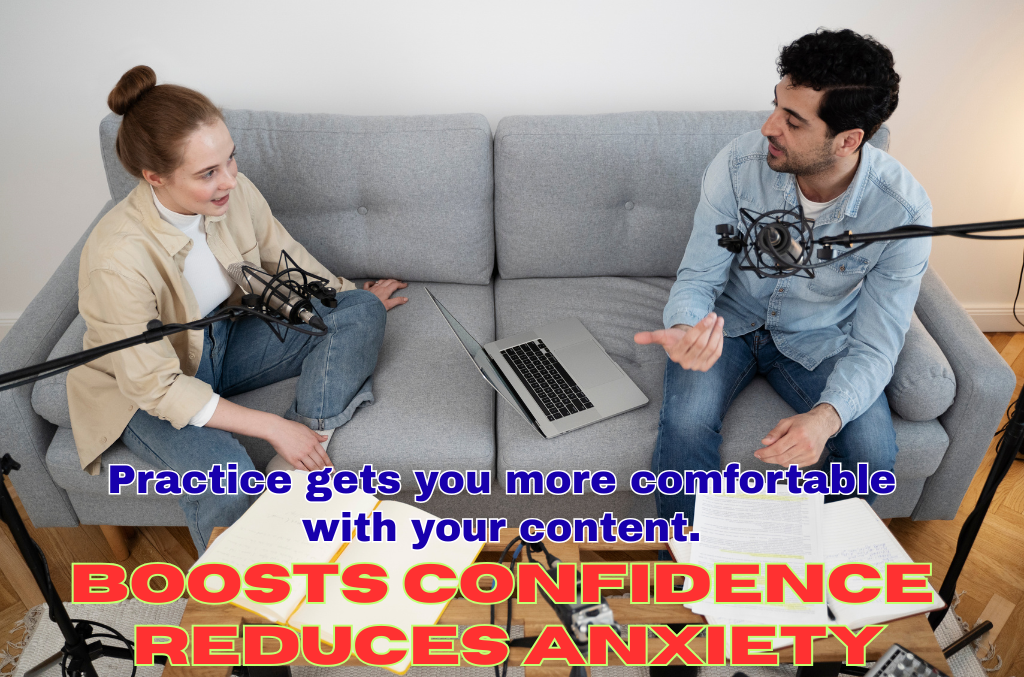
The secret to becoming an expert speaker is practice. Even the most confident speakers prepare properly and practise often; they don’t just rely on natural talent. Practice gets you more comfortable with your content, which boosts confidence and reduces anxiety. Give attention to your body language, tone, and pace in addition to your words. Your delivery will become more impactful and natural the more you practise it. You may see areas for expansion and refine your speaking style by recording yourself, which can be very helpful in mastering the art of speaking.
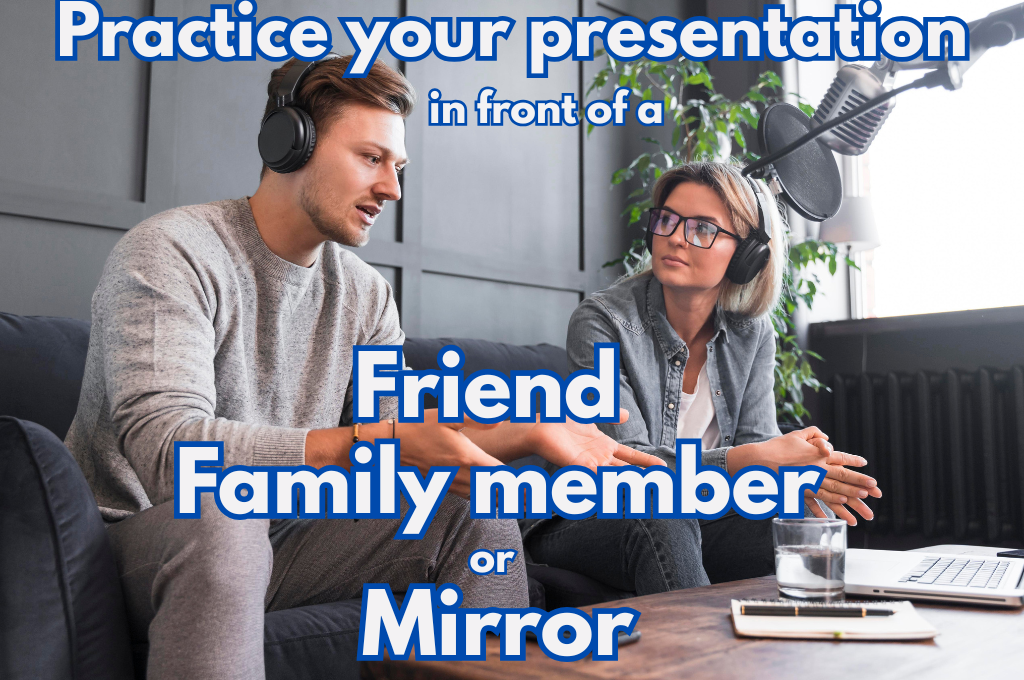
For example, practise your presentation in front of a friend, family member, or a mirror. This enables you to become more comfortable with your speech, refine your facial expressions, and receive insightful criticism to enhance your performance.
3. Storytelling: The Magic of Engagement
“The best way to get people to like what you have to say is to tell them a story.” – Unknown
Stories have a unique power to captivate, inspire, and deeply connect with people. You may make your message memorable and engaging by including facts or ideas into a tale rather than just delivering them. Anecdotes, practical examples, and significant metaphors help you establish an emotional connection with your audience that keeps them focused. A compelling narrative can make difficult concepts easier to understand and increase the connection and credibility of your message. In addition, it renders your speech more memorable and effective by helping your audience in picturing what you are saying.
Example: As you indicate your point with a personal narrative or an actual event, notice how your audience naturally becomes more focused and engaged.
4. Body Language: Speak Volumes
“Body language is a compelling tool. Body language predates speech, and 80% of what you understand in a conversation is based on it. – Deborah Bull
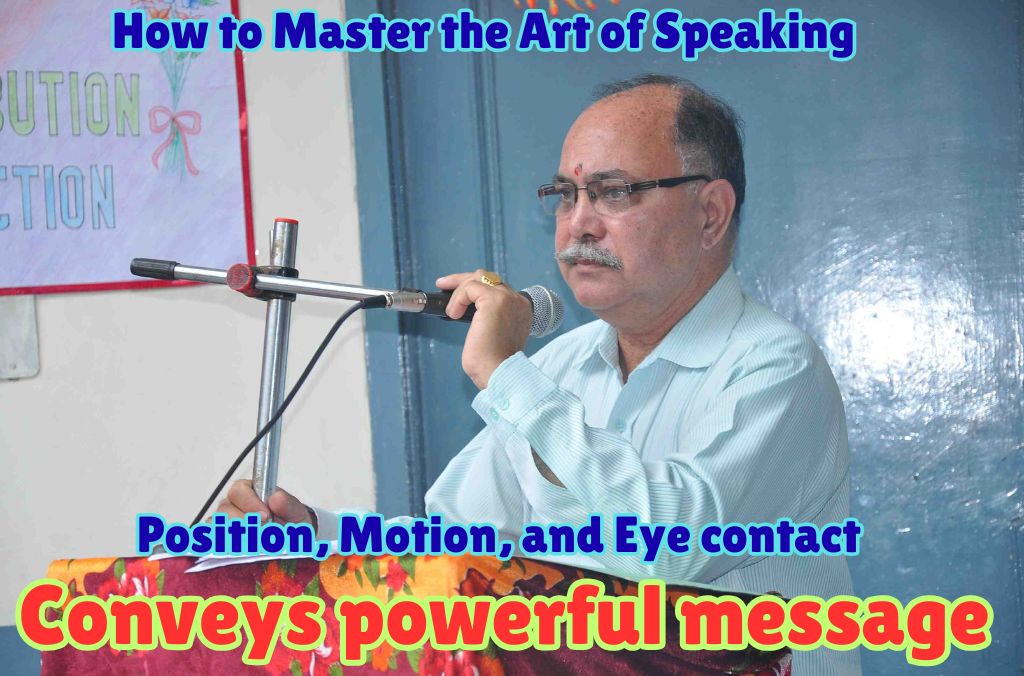
Occasionally, your body language communicates more information than your words. Your position, motion, and eye contact all convey powerful messages about your self-assurance and reliability. Maintaining an open posture and standing tall not only gives a sense that you are confident, but it also makes you feel more confident on the inside. Maintaining eye contact with your audience shows genuine involvement and builds trust. Using purposeful hand gestures helps highlight key concepts and add passion and emotion to the way you present. Steer clear of closed-off gestures like crossing your arms or focusing down, as they could convey anxiety or disinterest.
Example: In front of a mirror, tackle your body language. Take note of your body’s spoken language, facial expressions, and posture, and try to express confidence—own that region!

5. Voice Modulation: The Art of Expression
“The human voice is the most perfect instrument of all.” – Arvo Pärt
Your voice is one of your most powerful speaking tools, and its usage can significantly impact your message. Regardless of how excellent your topic is, speaking in a flat, monotone voice can soon lose your audience’s attention. You can more effectively convey emotions and give your words life by changing your tone, pitch, and tempo. While a change in tone might convey excitement, seriousness, or curiosity, a slower tempo can highlight key themes. This variation keeps the audience engaged while adding vitality and remembrance to your speech, helping you master the art of speaking.
Example: Try to read a poem or story with a range of emotions, such as happiness, sadness, or excitement, and see how your voice alters the impact of what you are saying.
6. Pause and Breathe: The Power of Silence
“Silence is one of the best things we do as musicians.” – Evelyn Glennie
A significant but often overlooked element of effective speaking is pauses. Strategic pauses allow the audience to take in and consider what you’ve just said rather than hurrying through it. By allowing you time to breathe and collect your thoughts, they also help you keep control over your words and minimise nervousness. A well-placed pause can increase the effect of your message, build anticipation, and add emphasis. When used well, silence can add a natural rhythm to your speech and speak just as loudly as words.

Example: After delivering an important point, practise taking a quick break. This little habit not only attracts focus on your message but also gives you a more assured and relaxed presence.
7. Authenticity: Be You!
“To be yourself in a world that is constantly trying to make you something else is the greatest accomplishment.” – Ralph Waldo Emerson
What actually differentiates a great speaker from the others is authenticity. Individuals connect with the person who speaks of those words rather than only listening to them. Trying to imitate someone else’s style often turns out as forced and insincere. Instead, embrace your individuality, voice, and mode of thought expression. Being genuine improves trust and increases the relatability and impact of your message. Your largest assets are your unique thoughts, experiences, and emotions, so don’t be afraid to share them in your speech.
Example: Openly share your interests, passions, and life experiences. Your audience is going to experience more engagement and connection when you talk from the heart.

8. Ask Questions: The Art of Engagement
“The art of conversation is the art of asking questions.” – Unknown
Asking questions is one of the most efficient ways to make a one-sided conversation engaging and interactive. It not only attracts your audience, but it also gives them a sense of significance and participation. Asking questions promotes critical thinking, piques curiosity, and facilitates natural communication. By promoting audience engagement rather than only providing information, you increase the memory retention of your message. In particular, open-ended questions enable people to express their opinions and keep the conversation lively and meaningful.
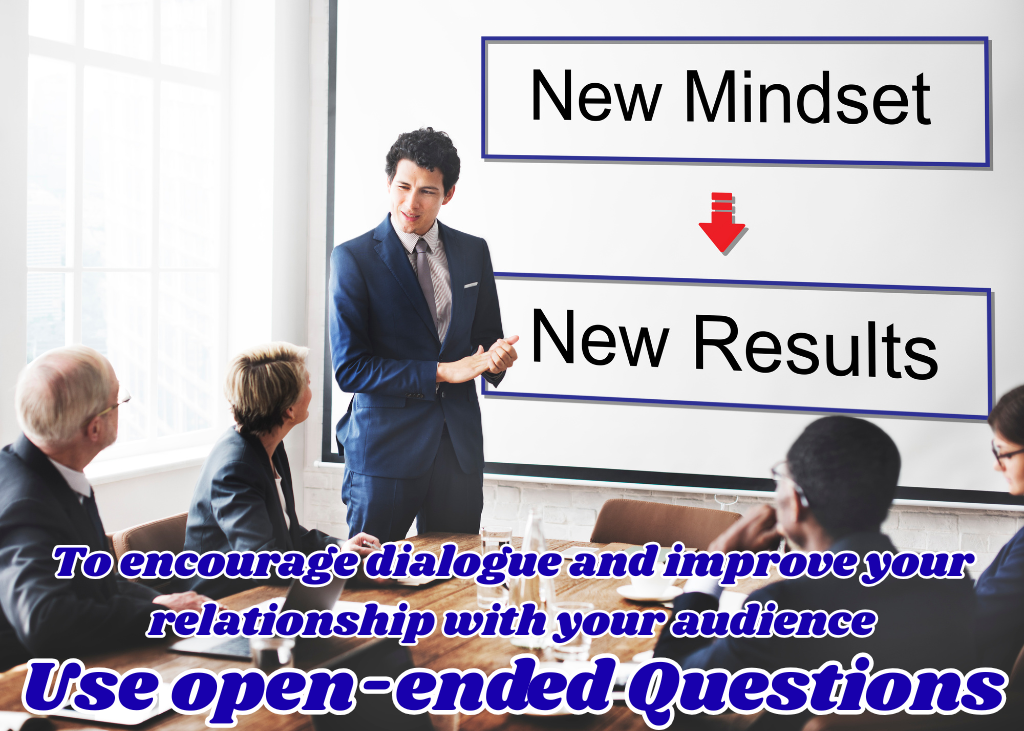
Example: To encourage dialogue and strengthen your relationship with your audience, use open-ended questions such as “What do you think about this idea?” or “Have you ever experienced something similar?”
9. Listen Actively: The Key to Connection
“Listening is not just hearing what someone says but understanding what they mean.” – Unknown
When it comes to efficient communication, listening is just as crucial as speaking. Since understanding others is the first step towards a genuine connection, a great speaker is also a great listener. Maintain eye contact, listen carefully to what the other person is saying, and show real interest in your responses and expressions. You can react prudently and maintain a polite, natural conversation by paying close attention. Furthermore, it increases trust and connection by making the other person feel heard, appreciated, and respected.
Example: In common conversations, practice active listening by paying careful attention to what the other person is conveying and repeating back important details to make sure you understand. This simple habit has significantly improved communication skills.
10. Practice, Practice, Practice: The Path to Mastery
“Practice isn’t the thing you do once you’re good. It’s the thing you do that makes you successful.” – Unknown
The best way to grow into a skilled speaker is to practise consistently. It takes continuous work, learning from mistakes, and gradually gaining confidence to make progress. Every time you speak, whether in the presence of an audience, in a classroom, or on stage, you learn a new thing. Instead of allowing your fear of making mistakes to stop you, see them as opportunities to improve. The more speaking situations you encounter over time, the more relaxed and self-assured you will become.

For example, you could take a communication course, participate in class discussions, or join a public speaking organisation. You will become a more self-assured and powerful speaker with every opportunity you take to practice the art of speaking.
Conclusion
Developing competence in the art of speaking is a lifelong endeavour that requires continuous education, repetition, and practice. Every discussion you have, every presentation you offer, and every thought you share serves as a springboard for progress. This guide’s ten secrets are more than just strategies; they’re routines that, when followed regularly, may completely transform your communication style. Recall that even the best speakers initially suffered with self-doubt and hesitation before finding their voice via dedication and determination.
As you proceed, don’t be afraid to push yourself beyond your comfort zone and seize every chance to talk. Celebrate your little achievements, grow from your errors, and keep strengthening your skill of the art of speaking. Use your voice with confidence and purpose because it can inspire, influence, and bring about change. Your voice matters, so keep talking, continue to evolve better, and most importantly, have respect for yourself.

Call-to-Action
Are you ready to improve your art of speaking skills? This is the perfect time to put what you’ve learnt into practice. Growth starts when you take your initiative, confront your challenges, and put what you’ve learned into reality. What stopped you from speaking when you were nervous? The first step to overcoming your biggest challenge and improving your communication skills is to identify it.
We would be pleased to hear from you! Tell us about your biggest speaking obstacle in the comments section below, whether it’s stage fright, a lack of confidence, or difficulty expressing your ideas. In addition to helping yourself, opening out could encourage others who might be going through similar challenges. Together, let’s create an atmosphere of care where we can develop, learn, and get stronger.
And don’t end here! For more effective advice on confidence, communication, and personal development, subscribe to our blog. Stay inspired, keep in touch, and make daily progress toward attaining your full potential as a speaker by mastering the important skill of the art of speaking.
Frequently Asked Questions (FAQs)
-
Why is public speaking an important skill in today’s world?
One of the most significant skills in both personal and professional life is public speaking. It helps you communicate your ideas clearly, inspires others, builds your confidence, and creates opportunities for career development. Strong speaking abilities can greatly increase your success as a student, business owner, educator, or leader.
-
Can anyone learn the art of speaking effectively?
Obviously! Outstanding speakers are created via regular practice and education; they are not born. Regardless of where you come from, you can become a confident and competent speaker by refining your communication skills, increasing your vocabulary, and giving public talks on a regular basis.
-
How can I overcome the fear of speaking in public?
The first steps in overcoming stage fear are practice and readiness. Speak in small groups at first, practise your speech several times, concentrate on your message rather than your fear, and remember that most audiences want you to be great. With every speaking encounter, your confidence will gradually grow.
-
What are the qualities of a good speaker?
A competent speaker is confident, prepared, genuine, engaging, and empathetic. They speak passionately, keep eye contact, communicate clearly, and establish an emotional connection with their audience. Additionally, skilled speakers pay close attention and modify their message as necessary.
-
How important is body language in public speaking?
In communication, body language is highly significant. Positive body language, eye contact, posture, and facial expressions all support your message and foster audience trust. Nonverbal communication frequently has a major impact on how a speaker is regarded, based on studies.
-
How can students strengthen their speaking skills?
Participating in debates, presentations, group discussions, story-based exercises, and school events can help students get better at speaking. Students can also develop confidence and fluency by practising speaking in front of a mirror, reading books, and listening to excellent speakers.
-
How long does it take to become a confident speaker?
Each person’s timeline is unique. While some people notice results in a matter of weeks, others may require several months of regular practice. Persistence, ongoing education, and looking for regular speaking opportunities are essential.
-
What is the most significant mistake people make while speaking?
Focusing too much on perfection rather than connection is one of the most frequent errors. Tension might be increased by speakers’ constant concerns about making mistakes. Instead of seeking perfection, effective speakers focus on offering value to their audience.
-
Can introverts become successful public speakers?
In fact, many prominent leaders and speakers are introverts. Strong listening abilities, deep preparation habits, and profound thoughts are typical qualities of introverts. Introverts can become extremely proficient speakers with practice and confidence-building methods.
-
What is the secret to becoming a memorable speaker?
The most important aspect is preparation, audience connection, and authenticity. Memorable speakers tell relatable tales, relate real-life events, speak with conviction, and impart insightful knowledge or inspirational ideas that their audience will remember long after the speech is finished.
[url=https://ee88top.com/][b]EE88[/b][/url] brings a dapper, … la mode betting while for the sake of players who take [b]casino[/b], [b]sports[/b], [b]lottery[/b], [b]games[/b], [b]game slots[/b], [b]fish shooting[/b], [b]jackpot[/b], [b]cockfighting[/b], [b]esports[/b], [b]promotions[/b], [b]customer support[/b], [b]no hu[/b], [b]offers[/b], [b]agents[/b], [b]tai xiu md5[/b], [b]xoc dia[/b], [b]baccarat[/b], and [b]dragon tiger[/b]. With uniform access, fixed updates, and practical pit oneself against options, [url=https://ee88top.com/]https://ee88top.com/[/url] is built seeking users who value difference, bowl along, and dependable entertainment.
You’re welcome