
Causes, Consequences, Signs, and Practical Solutions
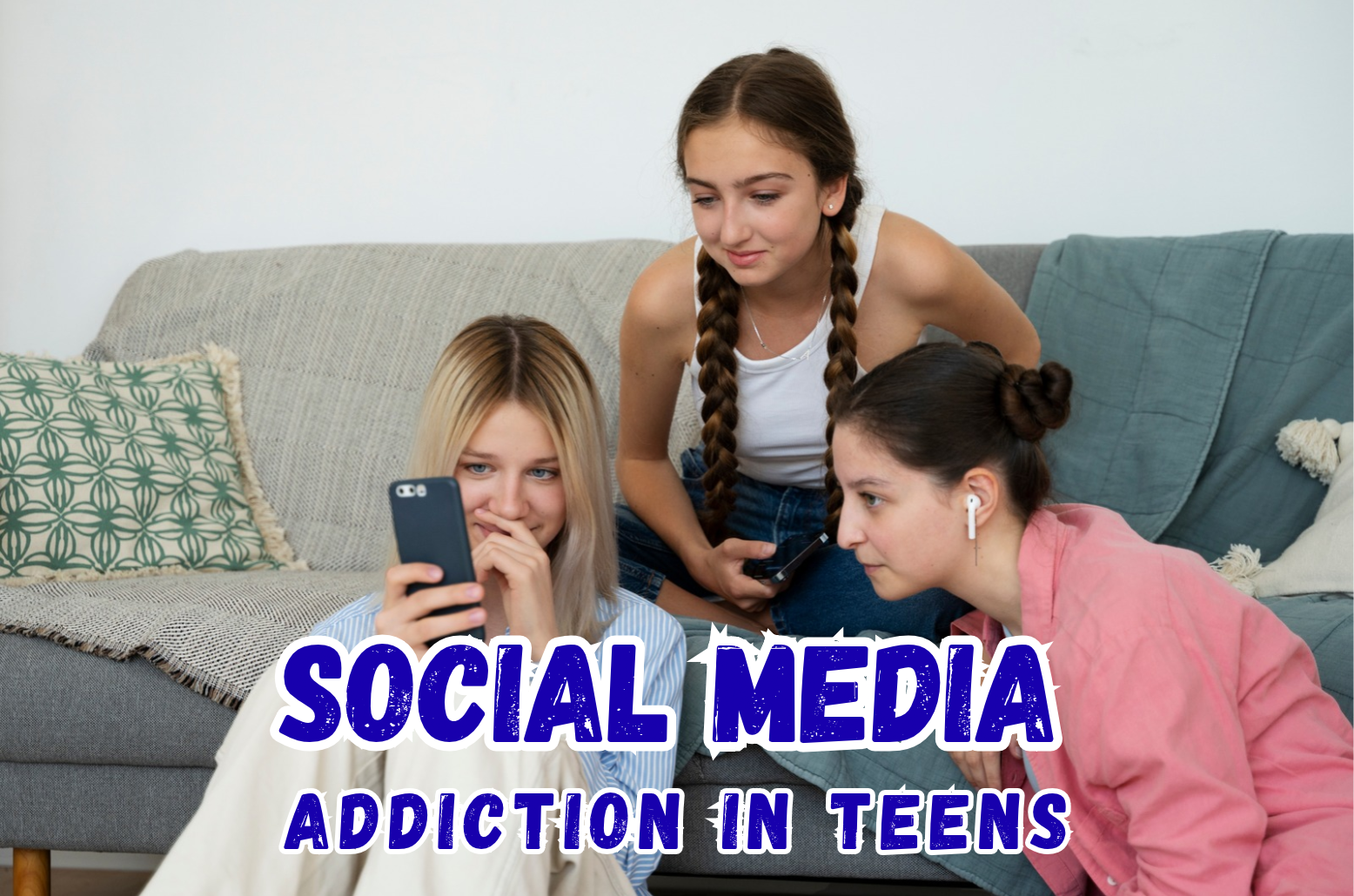
Excessive social media addiction is a growing concern as these platforms continue to shape how teens communicate, learn, and express themselves. Promoting healthier online conduct and better mental health needs an understanding of the causes, symptoms, and consequences of social media addiction.
The Growing Digital Challenge for Today’s Teenagers
Imagine reaching for your phone before you even get out of bed. You react to Snapchat streaks, explore the latest trends, scroll through TikTok videos, and check Instagram notifications. 20 minutes might turn into an hour before you know it.
This is a common habit for a majority of teenagers. It’s now part of everyday life.
Social media addiction has totally transformed the way people communicate, learn, and spend their time. Social media sites like Facebook, YouTube, Instagram, TikTok, Snapchat, and X have become vital parts of modern teenage life. They provide chances to make new connections, show off skills, discover new hobbies, and keep up with current affairs.
Despite these benefits, parents, educators, psychologists, and medical professionals are becoming more concerned about teens’ excessive use of social media.
A casual scrolling habit can gradually develop into a compulsive social media addiction. Teens may feel they need to stay online, watch their likes, and constantly check notifications. Over time, this dependency may have negative impacts on relationships in real life, academic achievement, sleep quality, self-esteem, and mental health.
One of the most time-sensitive issues facing today’s digital generation is this condition, which many people call social media addiction.
This article will address the reasons, warning signs, consequences, and practical solutions for teenage social media addiction.
is referred to as social media addiction
Understanding Social Media Addiction
The excessive and uncontrollable use of social networking sites, even in the face of negative results, is referred to as social media addiction.
Social media addiction activates the brain’s reward system, just like other behavioral addictions. Every like, message, comment, and note gives you a small burst of joy. Teens gradually start looking for these incentives on a regular basis, which leads to a terrible cycle of reliance.
Despite the fact that social media addiction is not formally classified as a drug addiction, psychologists identify many behavioral patterns that are similar, such as
- Compulsive use
- Cravings to check social media
- Difficulty reducing usage
- Anxiety when unable to access platforms
- Loss of interest in offline activities
- Continued use despite negative outcomes
As smartphones become increasingly accessible, this problem of social media addiction continues to grow worldwide.
Why Teenagers Are Particularly Vulnerable
Adolescence is an important period for emotional, social, and psychological growth, making teenagers more at risk for social media addiction.
In these years, teenagers are:
- Building their identity
- Seeking acceptance from peers
- Developing self-esteem
- Learning social skills
- Exploring personal interests
Social media significantly influences every one of these areas.
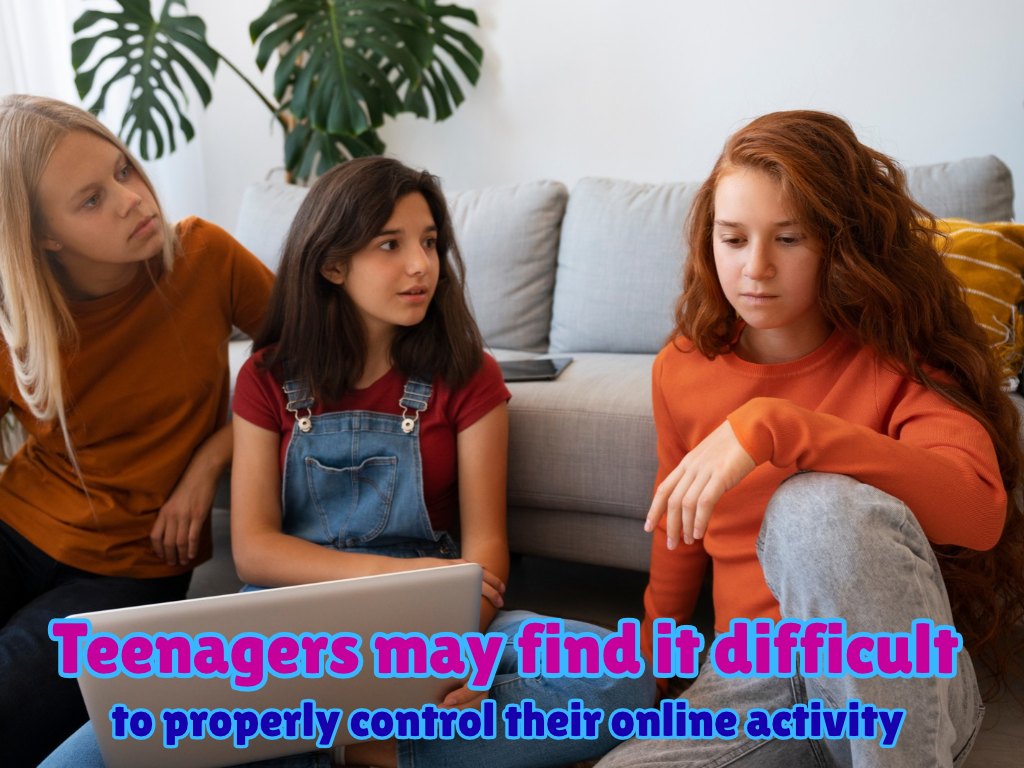
Teenagers may find it difficult to properly control their online activity since their brains continue to develop, particularly the areas in charge of impulse control and decision-making.
They therefore become more vulnerable to behaviors resulting in quick gratification, such as excessive usage of social media.
Causes of Social Media Addiction in Teens
Several interconnected factors contribute to social media addiction among teenagers.
1. Fear of Missing Out (FOMO)
Fear of Missing Out, commonly known as FOMO, is one of the strongest drivers of social media use.
Teenagers often worry that they might miss:
- Important updates
- Social gatherings
- Trending topics
- Viral content
- Conversations among friends
This fear leads to constant checking of social media platforms throughout the day.
Because they feel that being offline means being excluded, many teenagers feel under constant pressure to be connected. Consequently, they monitor notifications and refresh their feeds even when there is no urgent reason to do so.
2. The Dopamine Effect
Social media platforms are intentionally designed to maximize user engagement.
Whenever a teenager receives:
- A like
- A comment
- A friend request
- A share
- A message notification
The brain releases dopamine, a neurotransmitter related to reward and pleasure.
This brief sense of satisfaction motivates users to spend more time online in search of more benefits.
Teens could eventually develop a psychological dependency on these dopamine-driven experiences.
3. Need for Social Validation
Adolescence is often marked by a strong desire for approval and acceptance.
Social media provides immediate feedback through:
- Likes
- Shares
- Views
- Comments
- Followers
Many teenagers start using these figures to evaluate their importance.
A positive response makes posts feel valued and welcomed. Lack of involvement can make them feel inadequate or rejected.
This need for external validation can greatly aggravate social media addiction.
4. Escaping Reality and Negative Emotions
Social media addiction can serve as a distraction from emotional challenges like
- Anxiety
- Loneliness
- Academic stress
- Family conflicts
- Peer pressure
- Depression
Scrolling through pleasant information can briefly help avoid uncomfortable feelings.
Unfortunately, the underlying emotional issues often go neglected, which leads to an unhealthy cycle where teenagers keep turning back to social media whenever they’re upset.
5. Endless Content Consumption
Social media platforms offer a limitless amount of content relative to standard media.
Features like
- Infinite scrolling
- Auto-play videos
- Personalized recommendations
- Continuous notifications
Encourage prolonged use.
Teenagers often intend to use an internet connection for a short while, but they end up staying on it for hours.
6. Peer Pressure and Social Expectations
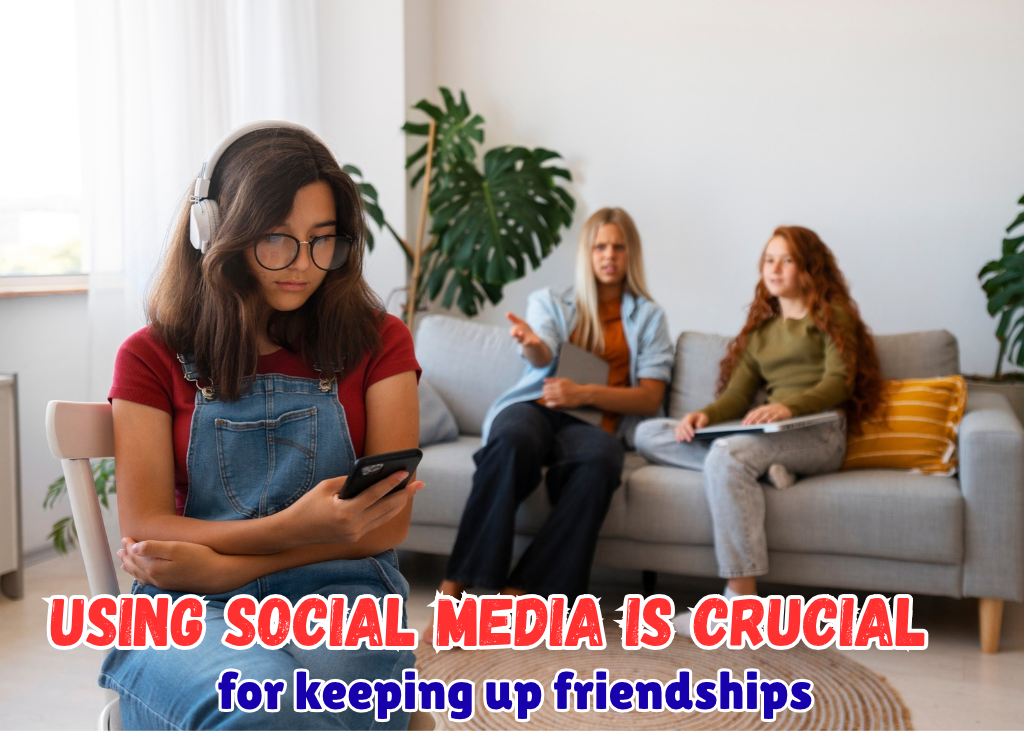
Many teenagers feel that using social media is crucial for keeping up friendships.
If they are not active on social media, they might be concerned about appearing outdated or disinterested.
Reducing screen usage can be particularly difficult because of this social pressure.
Signs of Social Media Addiction in Teens
Recognizing the warning signs early can help prevent serious consequences.
1. Excessive Daily Usage
One of the most noticeable signs is spending excessive amounts of time on social media.
Many addicted teenagers spend:
- Five to six hours daily
- Sometimes even more
- Regularly checking platforms throughout the day
Social media consumes time that you would otherwise spend studying, exercising, or socializing in person.
2. Withdrawal Symptoms
Teenagers may experience emotional distress when unable to access social media.
Common withdrawal symptoms include:
- Irritability
- Restlessness
- Anxiety
- Mood swings
- Frustration
These reactions often resemble those observed in other behavioral and social media addictions.
3. Constant Phone Checking
Many addicted teens check their phones automatically without a specific purpose.
They may:
- Unlock their devices repeatedly
- Refresh feeds frequently
- Check notifications every few minutes
Even during meals, classes, or family interactions, the urge to check social media remains strong.
4. Neglecting Responsibilities
Academic work and household responsibilities may begin to suffer.
Warning signs include
- Missed homework
- Declining grades
- Poor concentration
- Lack of productivity
- Procrastination
Social media gradually takes priority over important obligations.

5. Reduced Interest in Offline Activities
Activities that once brought joy may become less appealing.
Examples include
- Sports
- Reading
- Art
- Music
- Outdoor recreation
- Family events
Teenagers often choose screen time over meaningful real-world experiences.
6. Sleep Disruptions
Late-night scrolling is extremely common among teenagers.
Many continue using social media:
- Before bedtime
- During the night
- Immediately after waking
This behavior can significantly interfere with healthy sleep cycles.

Consequences of Social Media Addiction in Teens
The effects of social media addiction extend far beyond increased screen time.
1. Mental Health Problems
Perhaps the most serious consequence involves mental health.
Research has consistently linked excessive social media use with increased risks of:
- Anxiety
- Depression
- Loneliness
- Stress
- Low self-esteem
Unrealistic expectations can arise from constant comparisons with carefully curated photos and highlight reels.
Teenagers may start to think that others’ lives are better than their own in terms of joy, success, or beauty.
Emotional pain often represents the result of this comparison trap.
2. Decreased Self-Esteem and Body Image Issues
Social media frequently promotes unrealistic beauty standards.
Teenagers constantly see:
- Edited photos
- Filters
- Influencer lifestyles
- Carefully curated content
This exposure can lead to dissatisfaction with appearance and reduced self-confidence.
Many teenagers start comparing themselves to unrealistic standards that are often impossible to achieve.
3. Sleep Deprivation
In learning, emotional management, physical health, and healthy growth, sleep is important.
Sadly, social media often stops people from obtaining a restful sleep.
Using screens late at night can:
- Delay bedtime
- Reduce sleep duration
- Interrupt sleep cycles
- Increase fatigue
Insufficient sleep may also increase anxiety, anger, poor academic performance, and problems with concentration.
4. Academic Challenges
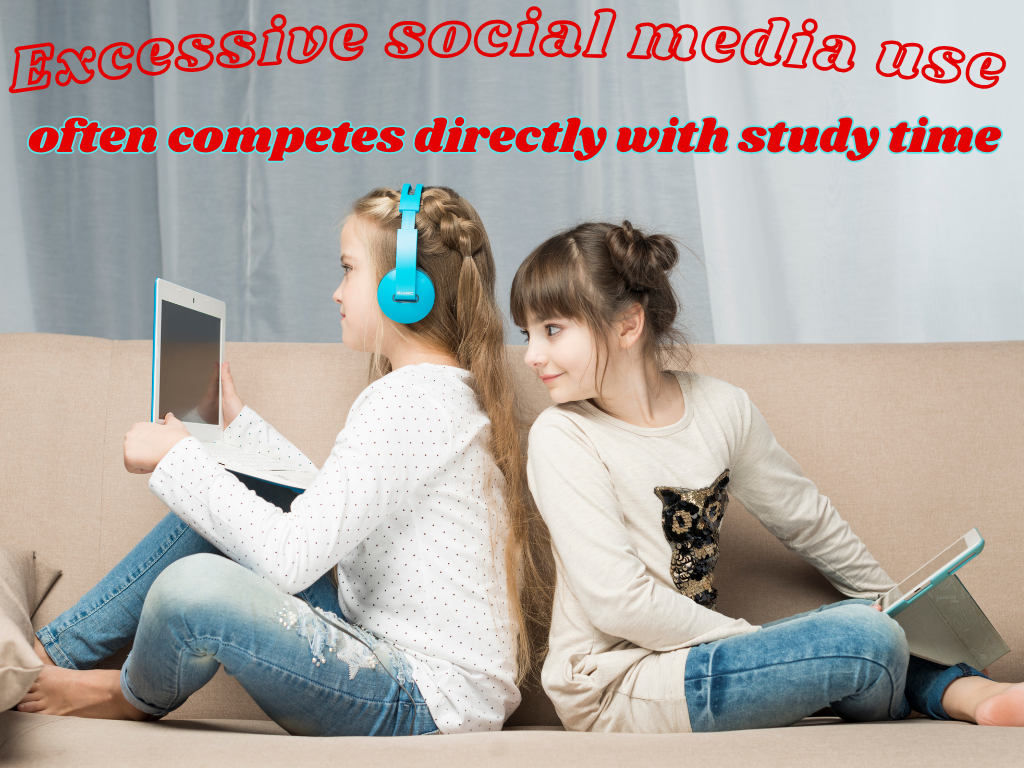
Excessive social media use often competes directly with study time.
As screen time increases:
- Concentration decreases
- Homework completion declines
- Memory performance suffers
- Academic motivation weakens
Many students struggle to focus because constant notifications interrupt their attention.
Even brief interruptions can significantly reduce productivity.
5. Social Isolation in Real Life
Ironically, social media platforms that aim to promote connections can occasionally lead to feelings of isolation.
Teenagers may make hundreds of friends online but have less important real-life relationships.
Strong, healthy relationships often require:
- Personal conversations
- Shared experiences
- Emotional presence
When digital communication replaces real-world interaction, emotional connections may weaken.
6. Increased Anxiety and Stress
The online world operates continuously.
Many teenagers feel pressure to:
- Respond immediately
- Maintain online popularity
- Post regularly
- Track engagement metrics
This constant pressure can create chronic stress and anxiety.
7. Cyberbullying and Online Harassment
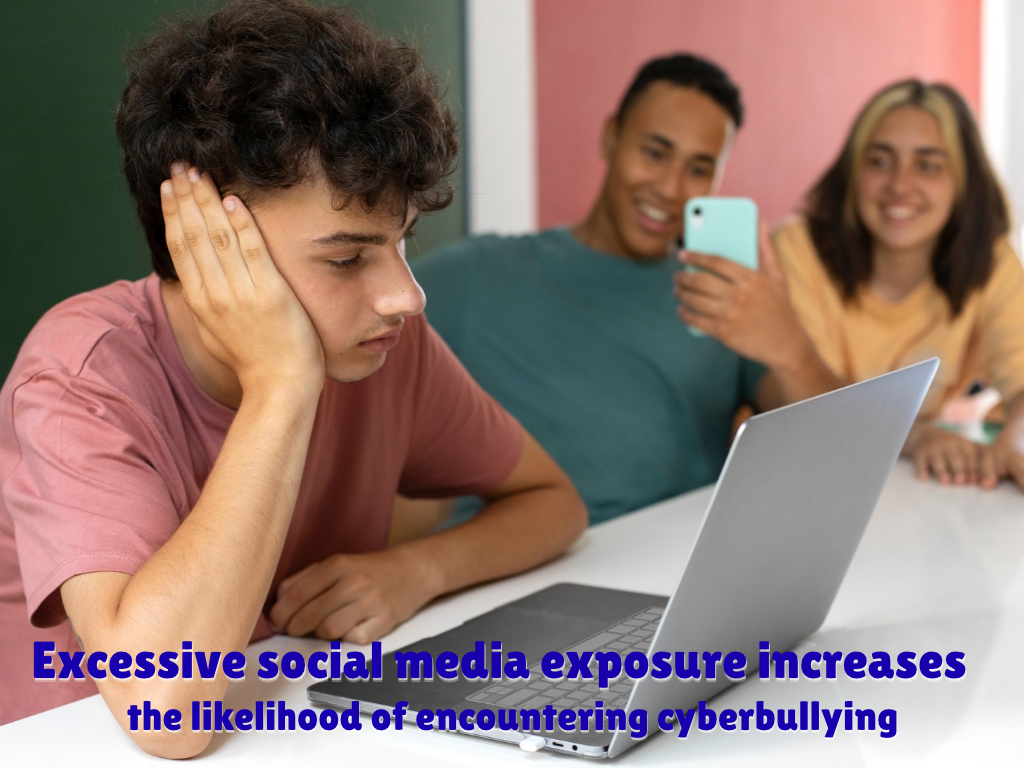
Excessive social media exposure increases the likelihood of encountering cyberbullying.
Victims may experience:
- Emotional distress
- Fear
- Depression
- Reduced self-confidence
Unlike traditional bullying, cyberbullying can occur at any time, making it difficult for teenagers to escape its effects.
8. Reduced Physical Activity
Our time spent scrolling often replaces physical movement.
A sedentary lifestyle can contribute to:
- Weight gain
- Reduced fitness
- Poor posture
- Eye strain
- General health issues
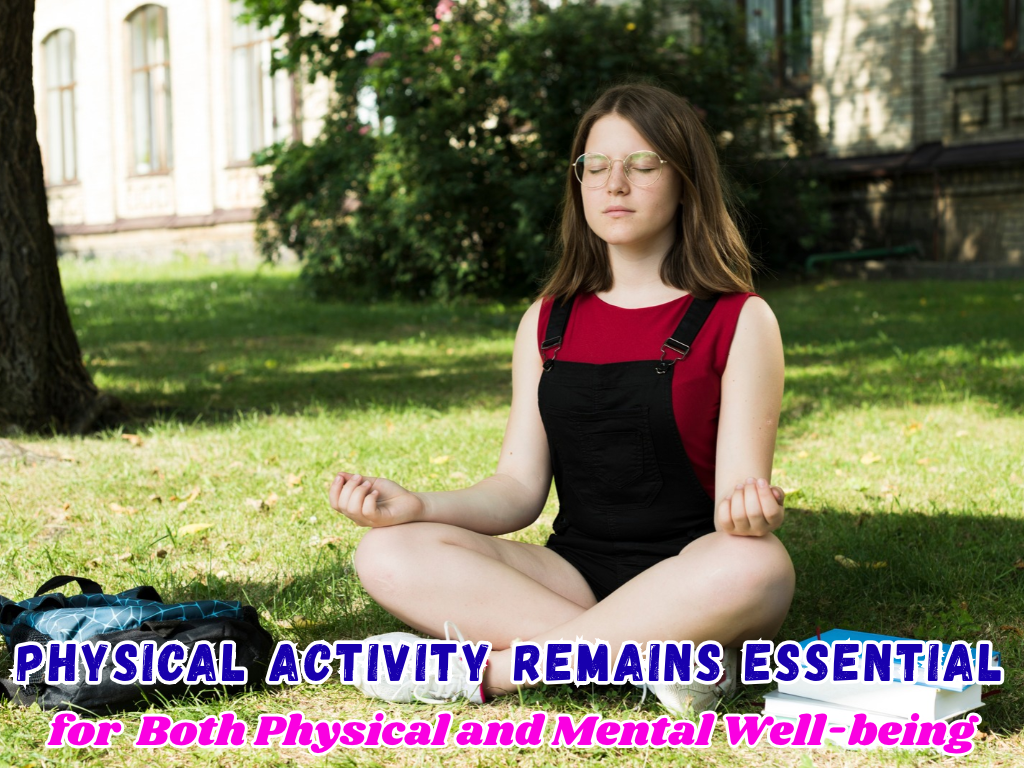
Physical activity remains essential for both physical and mental well-being.

Long-Term Effects of Social Media Addiction
If left unaddressed, social media addiction may continue into adulthood.
Potential long-term consequences include:
- Reduced productivity
- Difficulty maintaining focus
- Poor emotional regulation
- Ongoing mental health challenges
- Weakened interpersonal skills
- Increased dependence on external validation
Developing healthy technology habits during adolescence is therefore extremely important.
Practical Strategies for Managing Social Media Use
The goal is to use social media in a reasonable and thoughtful manner rather than entirely removing it.
1. Set Clear Boundaries
Families can establish specific guidelines, such as
- No phones during meals
- No devices before bedtime
- Screen-free study hours
- Technology-free family time
Boundaries create healthier habits and reduce compulsive usage.
2. Encourage Physical Activities
Physical exercise offers numerous benefits.
Activities such as
- Sports
- Walking
- Cycling
- Swimming
- Yoga
Help improve mood, reduce stress, and decrease screen dependency.
3. Promote Face-to-Face Connections
Encouraging real-world interactions can significantly reduce social media reliance.
Teenagers should be motivated to:
- Join clubs
- Participate in group activities
- Volunteer
- Spend time with friends in person
These experiences strengthen genuine social bonds.
4. Use Screen Time Monitoring Tools
Many smartphones now provide built-in tracking features.
These tools help teenagers:
- Understand usage patterns
- Set daily limits
- Receive reminders
- Reduce unnecessary screen time
Awareness is often the first step toward change.
5. Develop Healthy Hobbies
Encouraging alternative interests creates positive replacements for excessive scrolling.
Examples include
- Reading
- Photography
- Music
- Writing
- Gardening
- Painting
- Coding
Meaningful hobbies provide satisfaction beyond social media validation.
6. Practice Digital Detoxes
Short breaks from social media can be highly beneficial.
A digital detox might involve:
- One screen-free evening per week
- Social-media-free weekends
- Daily offline periods
These breaks help restore balance and improve mental clarity.
7. Encourage Open Communication
Parents and educators should maintain honest conversations about social media.
Rather than criticizing teenagers, they should discuss:
- Online risks
- Emotional well-being
- Healthy habits
- Digital responsibility
Supportive communication is often more effective than strict punishment.
A Real-Life Example
Consider a 16-year-old youngster who utilizes Instagram, TikTok, and Snapchat for about seven hours every day.
Social media seems harmless and enjoyable initially. But ultimately, the student starts sleeping longer, finds it difficult to do homework, and becomes anxious anytime the phone isn’t working.
Significant advantages happen after making small changes like blocking notifications, setting a daily usage limit of two hours, joining a sports club, and keeping to device-free study sessions.
The student experiences:
- Better focus
- Improved grades
- Reduced anxiety
- Better sleep quality
- Stronger real-world friendships
This example demonstrates that small changes can produce remarkable results.
Creating a Healthy Relationship with Social Media
Social media itself is not inherently harmful. It can be an excellent tool for:
- Learning
- Creativity
- Networking
- Communication
- Self-expression
The challenge arises when use becomes excessive and begins controlling daily life.
Teenagers must learn to view social media as a tool rather than a necessity.
Healthy technology use involves balance, awareness, and self-control.
The goal is not to disconnect from the digital world but to ensure that digital experiences enhance life rather than dominate it.
Conclusion
One of the major issues of the digital age is teen social media addiction. An excessive use of social media can have negative impacts on mental health, academic performance, sleep quality, self-esteem, and interpersonal connections. Several reasons, including FOMO, social validation, dopamine rewards, peer pressure, and emotional escape, can cause these impacts.
Early detection of the warning signs is important. Teenagers can benefit from technology without being victims of its side effects by establishing proper boundaries, promoting physical activity, encouraging in-person relationships, creating hobbies, and using social media with understanding.
Teenagers are not the only ones who have such a responsibility. To create positive digital environments, parents, educators, schools, and communities all have important roles to fulfill.
By collaborating, we can support the next generation’s development of healthy relationships, balanced online behavior, improved mental health, and a more meaningful lifestyle both on and off the screen.
Frequently Asked Questions (FAQs)
-
Is social media addiction a real problem among teenagers?
Yes. Excessive social media use can negatively impact mental health, sleep, academic performance, and personal relationships when it becomes compulsive and difficult to control.
-
How many hours of social media use is considered excessive?
While needs vary, spending five or more hours daily on social networking platforms may indicate problematic use, especially if it affects responsibilities or well-being.
-
Can social media cause anxiety and depression?
Excessive use has been associated with higher levels of anxiety, stress, loneliness, and depressive symptoms, particularly when it encourages unhealthy comparison and social pressure.
-
What are the first signs of social media addiction?
Common signs include excessive screen time, constant phone checking, withdrawal symptoms when offline, reduced interest in hobbies, poor sleep, and declining academic performance.
-
How can parents help teens reduce social media addiction?
Parents can set healthy boundaries, encourage offline activities, monitor screen time, communicate openly, and model balanced technology use.
Call to Action
What is the average duration of time you spend scrolling? Check your screen-time report and give your digital habits an honest review. You can improve your relationships, productivity, and mental health with small adjustments you make today. Start with a single, easy step: spend thirty minutes doing something that truly benefits your life rather than using your phone. You’ll be thankful for it in the future.