
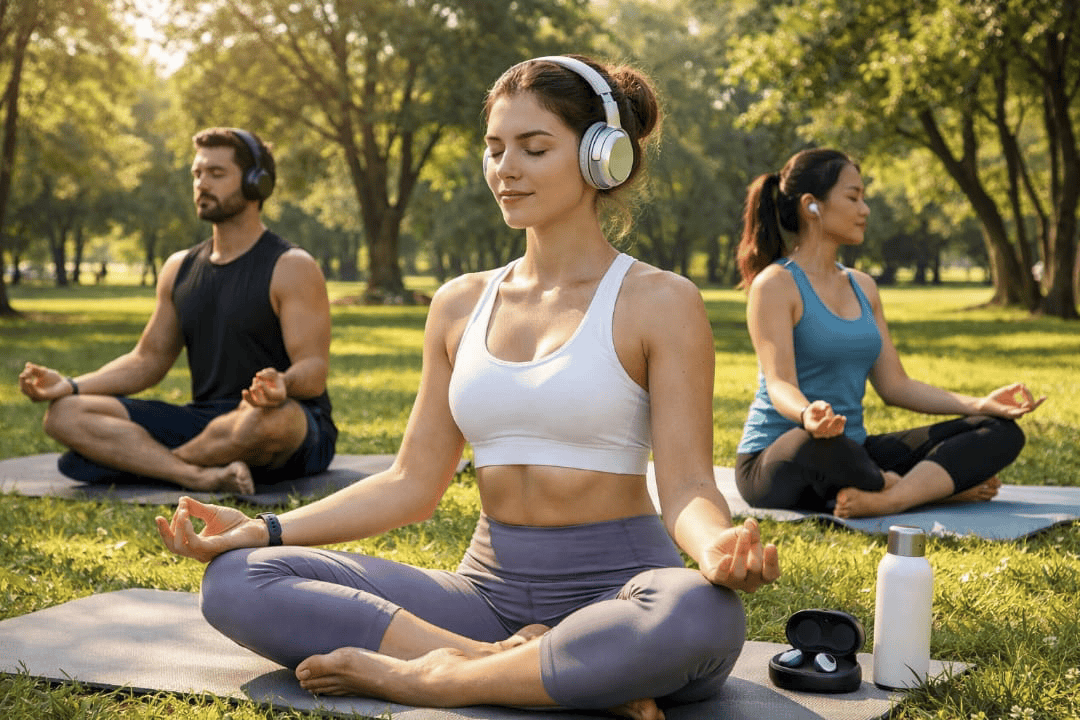
Why Meditation Matters More Than Ever
Science of Meditation for Brain Health has gained significant attention recently as researchers continue to uncover its powerful effects on mental well-being, focus, and cognitive performance. In today’s hyperconnected world, our minds are constantly flooded with notifications, pressing deadlines, and endless streams of digital information. Particularly for young youngsters, managing academic obligations, professional goals, social responsibilities, and screen-induced mental exhaustion can be difficult. Meditation provides a useful and scientifically validated remedy as attention spans decrease and feelings of overwhelm grow more common. It has evolved from an outdated spiritual practice to a powerful instrument for enhancing mental well-being, boosting emotional fortitude, and assisting people in surviving in the face of modern-day stress.
Currently, leading neuroscience labs actively investigate meditation, professional psychologists promote it, and elite athletes, top entrepreneurs, and students all over the world frequently practice it. It is no longer limited to monks in the Himalayas or remote retreats. Hiding in plain sight, it is the ultimate brain update. However, what exactly takes place in your mind when you close your eyes and concentrate on your respiration? What makes it the best “mental exercise” for cognitive lifespan, according to neuroscientists? And how can you change your concentration, attitude, and decision-making in a matter of minutes each day?
Let’s dive deep into neuroscience and uncover 10 powerful secrets of meditation and brain health that every youngster should know.
Secret 1:
Meditation Reshapes Your Brain (Neuroplasticity)
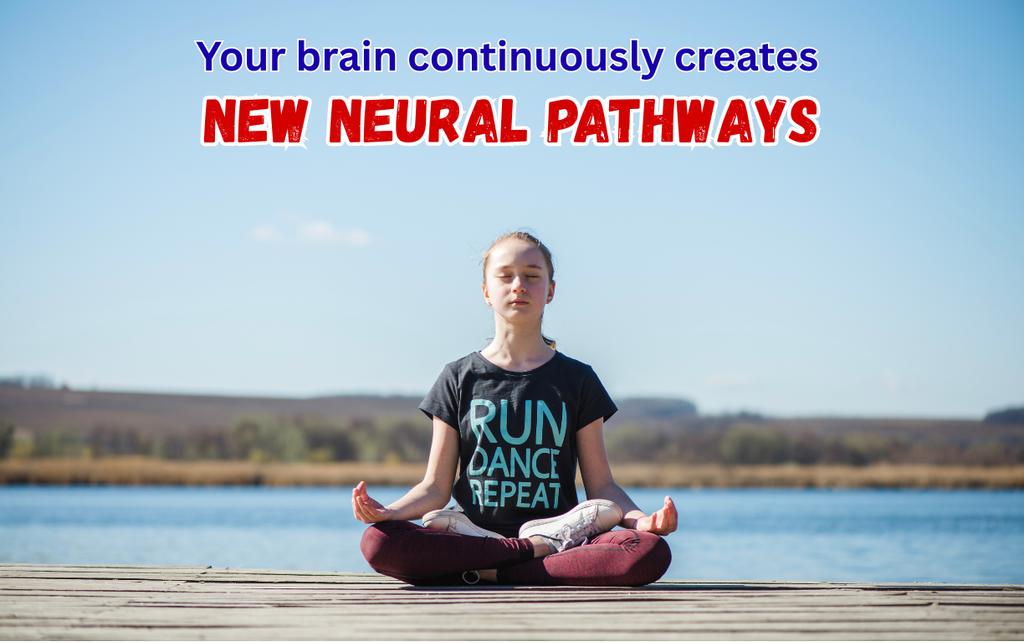
According to science, meditation affects your brain’s structure in addition to making you feel better. Your brain continuously builds new neural pathways and improves existing ones based on your practice through a process known as neuroplasticity. Regular meditation noticeably increases the thickness and gray matter density of the prefrontal cortex, which is the exact region in charge of impulse control, deep attention, and decision-making, according to MRI scans.
You are performing a repetition for your mental muscle each time you gently return your wandering thoughts back to your breathing, much like you would at the gym. For young people, this means that meditation can literally rewire your brain to better manage stressful tests or interviews, make smart lifestyle decisions, and maintain focus in quest of long-term professional goals.
Practical Example:
When you feel overwhelmed before a big presentation, a neuroplasticized brain recovers its composure faster than a reactive one.
My Personal Experience:
When you feel overwhelmed before a big presentation, a neuroplasticized brain recovers its composure faster than a reactive one.
Secret 2:
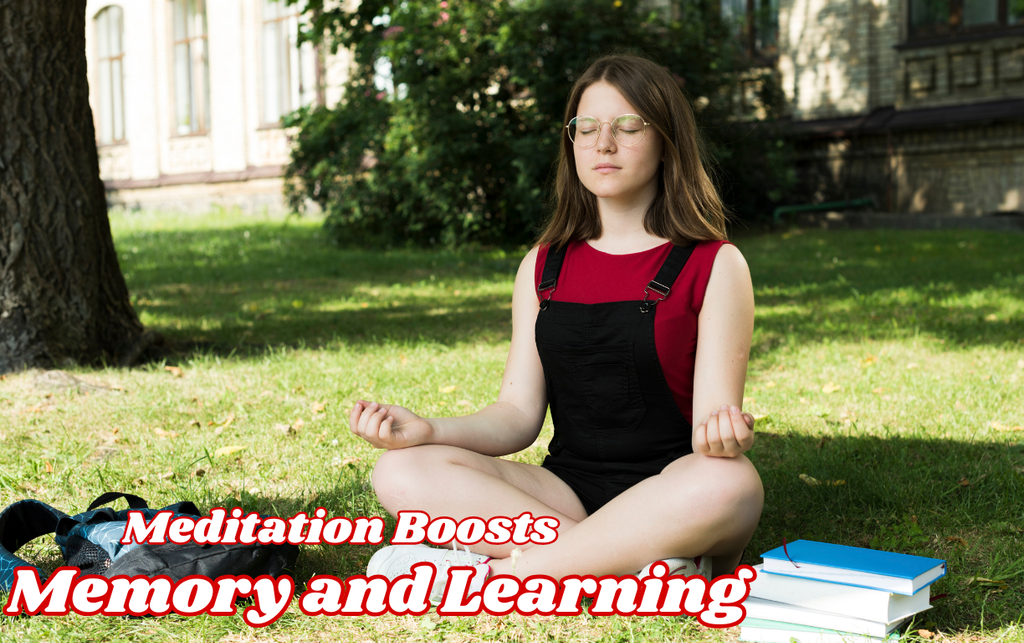
Meditation Boosts Memory and Learning
Regular meditation practice significantly boosts the activity, volume, and stability of the hippocampus, the important brain region in charge of learning, memory storage, and spatial awareness. According to neuroimaging research, even brief daily activities increase your working memory capacity, enabling you to take in and remember complex data more quickly.
Meditation functions as an all-natural brain supplement that sharpens your cognitive ability without a sudden crash of energy drinks or coffee, rather than relying on late-night cramming.
Practical Example:
Prolonged study sessions usually end in a mental wall when words fail to make sense. Your brain can significantly more efficiently encode and store new information when you take a 5-minute meditation break.
My Personal Experience:
Before exams, I used to spend hours going over the same page repeatedly since my thoughts were continuously straying. My retention significantly improved, and I was able to recall difficult concepts with much less effort after integrating brief meditation breaks into my study schedule.
Secret 3:
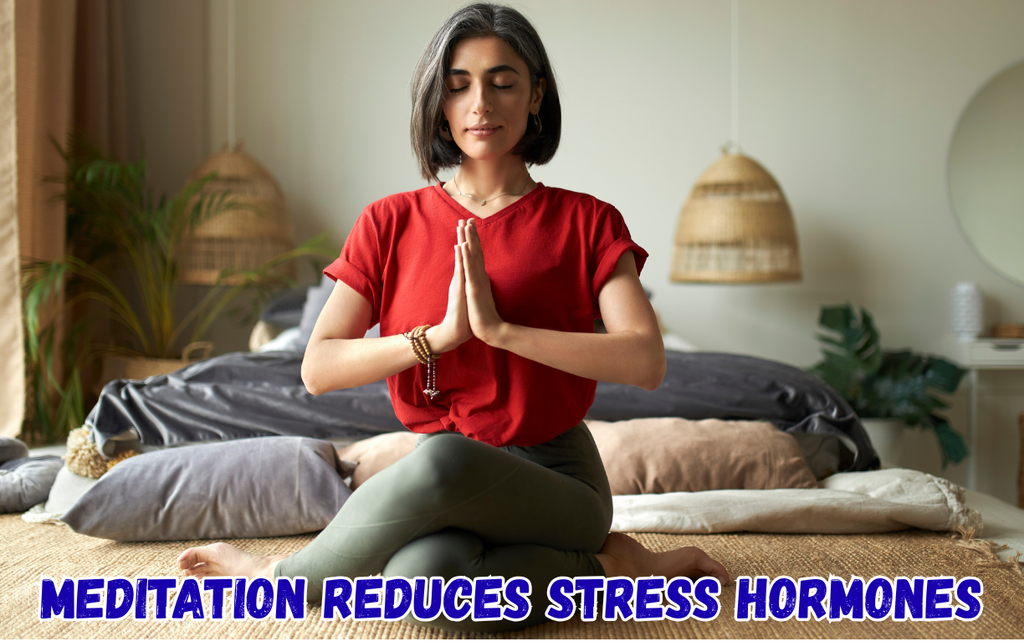
Meditation Reduces Stress Hormones
Chronic stress floods your brain with cortisol, the main stress hormone that affects cognitive function and destroys neuronal connections over time. By triggering your body’s natural “rest and digest” mode, the parasympathetic nervous system, which quickly reduces cortisol levels, slows your heart rate, and calms your body, meditation counteracts this effect.
Young people often struggle with exam anxiety, peer pressure, and future uncertainty. Meditation protects your brain from the adverse physical and mental consequences of daily stress.
Practical Example:
A lower baseline cortisol level stops your heart from beating in the face of an unexpected deadline or strong peer pressure, enabling you to use logic rather than anxiety.
My Personal Experience:
I used to wake up with a knot in my stomach and chronic mental confusion during periods of extreme stress. That enormous worry decreased after I started breath meditation, and I was able to manage busy days with steady, calm focus.
Secret 4:
Meditation Enhances Emotional Intelligence
When you practice meditation, the brain’s emotional alarm system, the amygdala, and the prefrontal cortex form a deeper neural link. Meditation increases your conscious control over your feelings by developing this avenue. You learn to take some time to consider your response rather than doing so impulsively out of wrath or anger.
This emotional control helps you develop strong leadership abilities, manage group initiatives, and form good relationships. When it comes to long-term success in today’s society, emotional intelligence (EQ) often matters more than IQ, and meditation provides you that clear edge.
Practical Example:
When someone writes you rudely or makes a harsh comment about your job, a high-EQ brain takes a moment to carefully evaluate the situation rather than responding furiously at once.
My Personal Experience:
I used to let minor conflicts destroy my whole day. I learned to recognize my emotional triggers in real time through regular meditation, which allowed me to remain calm and manage difficult talks without losing my cool.
Secret 5:
Meditation Improves Focus and Attention Span
Our collective attention span has been diminishing in a world where short-form videos and notifications rule. By increasing activity in the anterior cingulate cortex, the particular part of the brain that regulates focus, impulse control, and task switching, meditation directly opposes this digital noise. It successfully teaches your brain to shut out irrelevant information and maintain focus on what matters most.
This enhanced focus results in deeper work sessions, quicker problem-solving, and noticeably higher productivity for students and young professionals without constant feelings of mental fatigue.
the amygdala—the brain’s emotional alarm system
Practical Example:
It takes a strong concentration circuit to sit down and write a report without checking your phone every five minutes. By strengthening that precise circuit, meditation enables you to enter a state of “flow.”
My Personal Experience:
Every time I had a tough task, I would often switch tabs and pick up my phone. I learned to identify the desire to distract myself, ignore it, and complete work in half the time by doing mindfulness exercises.
Secret 6:
Meditation Protects Against Anxiety and Depression
Clinical research continually shows that meditation naturally balances important neurotransmitters like dopamine and serotonin, which helps lessen anxiety and symptoms of depression. It also reduces the default mode network (DMN), which is responsible for self-referential thoughts, rumination, and continuous overthinking. When the DMN activates, we tend to replay uncomfortable situations or worry about the future.
Meditation offers a secure, accessible, and scientifically supported method for children dealing with high-stakes situations to calm inner disturbances and achieve permanent emotional stability.
Practical Example:
A simple mindfulness exercise might help calm your mind and bring you back to the present when it starts to spiral into worst-case scenarios late at night.
My Personal Experience:
There were times when I was absolutely fatigued from late-night overthinking. Although meditation didn’t instantly resolve all of my issues, it did provide me with a secure anchor so that I could finally stop worrying and relax.
Secret 7:
Meditation Strengthens Creativity
Meditation actively accesses deep intellectual resources and does much more than simply calm a highly active mind. Meditation permits new and unusual ideas to ultimately appear by relaxing the hyper-analytical left brain and encouraging the brain to produce alpha waves, which are related to peaceful, daydream-like states.
Whether you’re writing an essay, creating graphics, building an app, or working on a difficult topic, meditation enables you to think in new ways and break free from rigid thought patterns.
Practical Example:
Pushing harder generally results in frustration when you’re waiting for inspiration while staring at a blank screen. When you take a little meditation break, your mind is cleared of clutter, which often leads to the breakthrough thought emerging as soon as you unwind.
My Personal Experience:
Forcing words simply made it worse when I suffered from writer’s block and felt completely stuck. My brain had a complete reboot after five minutes of calm sitting, which enabled me to come up with creative solutions once more.
Secret 8:
Meditation Improves Sleep Quality
Owing in large part to late-night screen time and racing minds, poor sleep has become a silent epidemic among children. By increasing melatonin production and lowering both physical and mental hyperarousal, meditation naturally reduces sleep disturbances. It helps you fall asleep more rapidly and stay asleep through the night by telling your nervous system that it’s safe to relax.
Improved mood, a stronger immune system, and sharper attention during the day are all closely correlated with regular sleep, and these factors are the key components of long-term brain health and overall energy.
reducing physical and mental hyperarousal
Practical Example:
Replaying stressful events while tossing and turning in bed is a certain way to get insomnia. Before going to bed, perform a brief breathing exercise to help your body move out of “fight or flight” mode.
My Personal Experience:
I often spent hours staring at the ceiling, considering what I needed to do tomorrow. Practicing a basic body-scan meditation in bed calmed my nervous system and helped me achieve deep, restful sleep.
Secret 9:
Meditation Slows Down Brain Aging
Meditation greatly enhances your immediate well-being, and its cellular benefits last for a very long time. Regular meditation helps maintain telomere length, the protective caps at the ends of our chromosomes that begin to diminish as we age, according to scientific research. Sustaining longer telomeres is directly associated with increased vitality and slower cellular aging.
For youngsters, the evidence indicates that meditation is a significant long-term investment in the health of your brain, creating deep cognitive resilience against age-related decline, rather than only a temporary solution to today’s stress or anxiety.
Practical Example:
When you’re young, aging feels far away, yet the habits you develop today will impact how intelligent and flexible your mind will be decades later.
My Personal Experience:
My attitude drastically shifted when I realized that meditation worked as an anti-aging cream for my brain cells. It became a lifelong health habit and ceased to feel like a duty.
Secret 10:
Meditation Builds Resilience and Confidence
Meditation enhances the insula, an important part of the brain linked to self-awareness and emotional control. Increased self-awareness gives you the clarity you need to recognize your objectives and develop true inner confidence that isn’t dependent on approval from others.
For young people dealing with personal failures, academic pressure, or career uncertainties, this secret is particularly effective. Meditation fosters psychological resilience, which helps you trust your abilities, recover from setbacks more quickly, and go forward with quiet courage rather than letting failure define you.
Practical Example:
A resilient brain perceives failures like missing an important test or being disqualified for a job as positive feedback rather than a permanent weakness, sustaining your passion.
My Personal Experience:
I used to let small setbacks damage my self-esteem for weeks. I was able to develop a stable inner foundation through meditation, which enabled me to accept criticism with calmness and maintain my self-confidence.
Conclusion:
Meditation Is Mental Fitness
Meditation is real neurobiology, not magic. It actively alters your neural connections, balances your emotional core, sharpens your focus, and creates a strong barrier around your mental health, as we’ve described. It is the best mental training for youngsters navigating a world that is becoming more and more chaotic. Your brain cannot function at its best without deliberate mental training, just as you wouldn’t expect to gain physical strength without going to the gym or working out.
The stark simplicity of meditation is what makes it so beautiful. To start with, you don’t need expensive memberships, specialist equipment, or a lot of spare time. It just takes 10 to 15 minutes of daily practice to lower cortisol levels, initiate neuroplastic changes, and bring about significant changes in your thoughts, emotions, and way of life. It’s an affordable habit that can change your life.
Therefore, consider meditation as a non-negotiable act of self-care and a high-yield investment in your future self rather than as an additional task on your busy to-do list. Give your brain the boost that it needs today by taking a deep breath and closing your eyes for a short while. For years to come, your mind will be grateful.
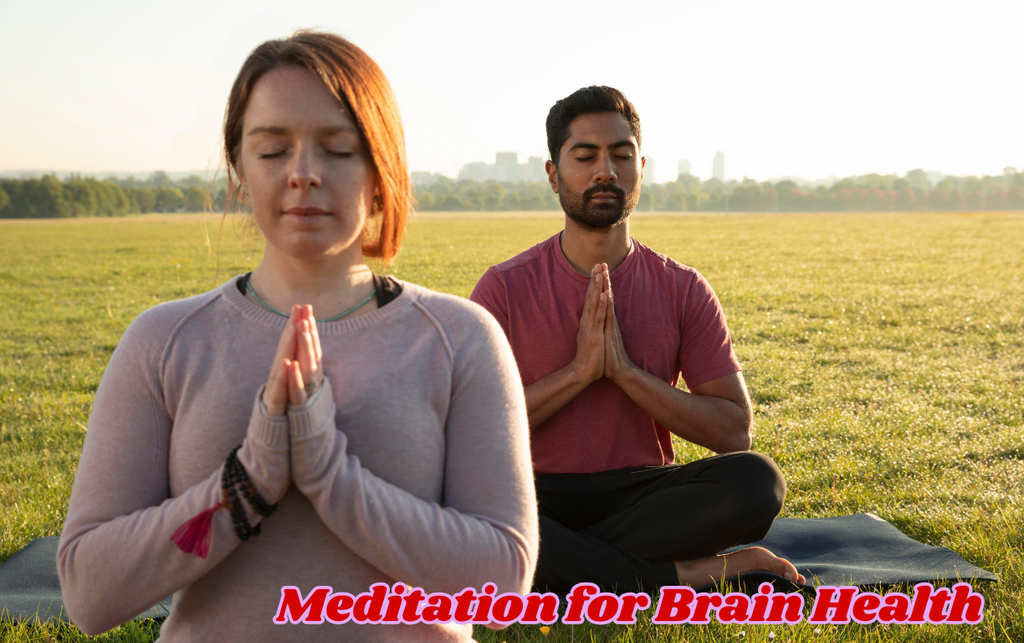
sharpens your focus, and creates a strong barrier around your mental health
Call-to-Action for Youngsters
Get started with meditation right now if you’re a professional developing a career, a student aiming for high grades, or a dreamer pursuing high objectives:
- Begin Small: Start with just 5 minutes of mindful breathing each morning before checking your phone.
- Build the Habit: Gradually increase your practice to 15–20 minutes daily as your focus muscle grows.
- Leverage Tools: Use guided meditation apps, calming playlists, or timer apps if you need extra structure.
- Prioritize Consistency: Results come with daily practice, not perfection—even a quick, imperfect session counts.
Remember: The purpose of meditation is to control your mind so that you can face difficulties in the actual world with courage, clarity, and firm belief rather than to flee reality or shut off your thoughts.
Your most valuable asset is your intellect. Every day, give it protection, training, and strength. The science is very clear: people who manage their minds will have the best opportunity of flourishing in the future.
Author’s Column

As a student and an educational and motivational blogger, Plakshi shares insights on communication, confidence, and personal growth through inspiring posts.
Frequently Asked Questions (FAQs)
-
I am entirely new to meditation and get restless easily. Am I just not very good at meditating?
Not at all! Feeling restless when you first start is completely normal. Your brain is used to constant stimulation, so sitting quietly feels weird. Meditation isn’t about having a completely blank mind; it’s about noticing when your mind wanders and gently bringing it back to your breath. Every time you redirect your focus, you’re doing a successful “rep” for your brain.
-
Do I need to sit cross-legged on the floor, or can I sit in a chair?
You definitely don’t need to pretzel yourself on the floor. Comfort is key, especially when you’re starting out. You can sit upright in a comfortable chair with your feet flat on the floor, or even lie down (though sitting up helps prevent you from accidentally falling asleep). The goal is a relaxed, alert posture.
-
What is the best time of the day to meditate?
The “best” time is simply whenever you can actually stick to it. Many people prefer first thing in the morning to set a calm tone before checking phones or diving into chaos. However, doing a quick 5-minute session to decompress after classes or work is also fantastic. Consistency matters much more than the clock time.
-
Will meditation make me lazy or cause me to lose my competitive edge?
This is a common myth! Meditation doesn’t make you passive or unmotivated. Instead, it clears out anxiety, burnout, and mental clutter so you can work and study with sharper focus. Elite athletes, top CEOs, and high-achieving students use meditation precisely because it improves emotional regulation, decision-making, and performance under pressure.
-
How long do I need to meditate to actually see changes in my brain?
You don’t need hours a day. Neuroscience studies indicate that even 10 to 15 minutes of daily practice over a few weeks can trigger measurable neuroplastic changes—reducing stress hormones, improving working memory, and increasing gray matter density in the brain.
-
Do I need to use an app, or can I meditate in silence?
If you are a complete beginner, guided meditation apps (like Headspace, Calm, or Insight Timer) or free YouTube guides can be extremely helpful because a soothing voice keeps you anchored. Once you feel comfortable, you can easily transition to meditating in silence using just a simple kitchen timer.
-
What if I skip a day or miss a week? Is my progress ruined?
Your brain progress isn’t a streak game that resets to zero. If you miss a day or even a week, don’t beat yourself up or quit. Just pick it up again the next day. Meditation is a lifelong health habit—what matters is your overall commitment to mental fitness over time, not perfection.