
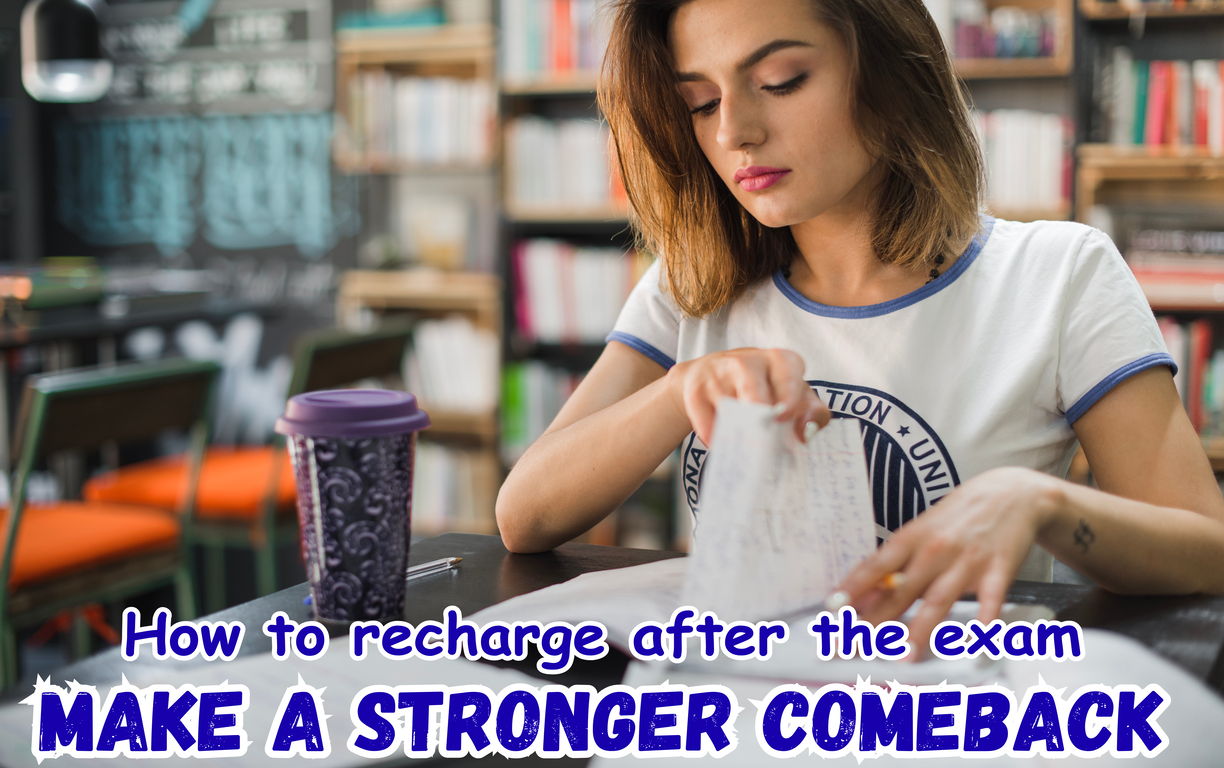
Finally, exam season is finished! And after exams, if you want to know how to recharge and come back stronger, here are 6 practical tips for you. You’ve spent months as a teenager studying, attending school sessions, and giving up valuable sleep to be ready for this moment. Now that you’ve completed your examinations, it’s time to relax and recharge.
Let’s speak the truth, guys. You might encounter an intellectual rollercoaster during the post-exam period. A moment later you’re happy and relieved, and the next you’re uncertain about the future, worried about the result, and uncertain of what happens next.
You already have to navigate an intricate network of emotions, social pressures, and academic expectations as a teenager. It’s obvious why you feel drained, depleted, and confused about your future when you mix it with a series of examinations.
It’s necessary to take some time to rest and recover so that you can get back stronger. The psychological state of teenagers after examinations will be discussed in this article, along with useful guidance, strategies, and motivation to help you get better, refocus, and achieve your goals.
The Psychological State of Teenagers after Exams
After exams, teenagers might feel a range of emotions, from relief that the challenging period is finally over to anxiety over their performance and uncertainty about the impact of the results for their future. Many students experience mental fatigue and self-doubt as a result of this overwhelming blend of emotions.
Some people have a short feeling of freedom after tests, but that sensation can be quickly replaced by self-doubt: “Did I study enough?” or “What if I fail?” Others might worry that their performance will affect their academic progress, college prospects, or how their parents and peers view them. These ideas can be very stressful, leading to a worrying cycle that prevents true rest.
Mental exhaustion after exams is also a regular occurrence. Teenagers may feel numb or distant as a result of weeks of preparation, late-night study sessions, and ongoing stress. This weariness has an impact on relationships, motivation, and confidence in addition to physical wellness.
The first step to regulating these emotions is to fully understand them. Teens can start taking charge rather than being governed by their emotions when they know that relief, dread, and uncertainty are normal feelings. Instead of being a stressful moment, this post-exam period becomes an opportunity for growth when it is reframed as a transition phase. Teens can use this time to rejuvenate, regain confidence, and be ready for the next phase of their life if they have the right mindset.
The following are some of the most common sentiments and circumstances you may be going through, including:
- Relief and Elation: Finally, the examinations are finished! You might feel relief, excitement, and a sense of satisfaction.
- Anxiety and Uncertainty: What if your results weren’t as good as you expected? What happens if you don’t achieve the results you want? You may experience sensations of anxiety, uncertainty, and worry about the future.
- Burnout and exhaustion can affect your mental and physical well-being after months of studying, pressure, and anxiety. You may feel tired, depleted, and depressed.
- Self-Doubt and Fear: You might not be good enough. What if you don’t succeed? You may experience fear, uncertainty, and self-doubt regarding your talents and future.
Why Recharging is Essential
After the stressful pressures of exams, teenagers need time to relax and recharge; it’s not simply a luxury. Burnout, an illness when passion fades away, attention decreases, and even simple tasks feel overwhelming, can result from continuous mental stress without appropriate breaks. It is harder to stay motivated or give your all when the mind is under constant strain since it finds it difficult to process information clearly.
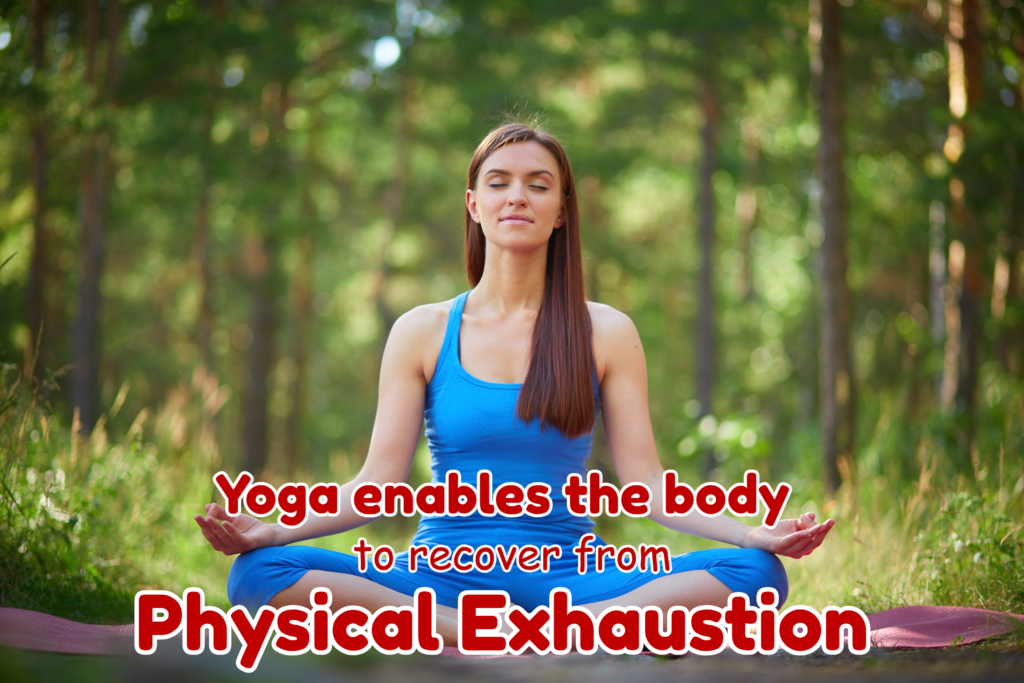
Taking a break is an investment in your well-being, not a waste of time. While relaxation helps the mind regain balance, rest enables the body to recover from physical exhaustion. Resilience is strengthened, energy levels return to normal, and emotional stability is enhanced. Teens give themselves a chance to reset their minds, relieve stress, and regain confidence by taking a moment to recharge.
Recharging directly affects mental clarity. A well-rested mind thinks more rationally, imagines more creatively, and solves problems more effectively. You can address challenges with a solution and a new viewpoint instead of letting tension or self-doubt cloud your judgement. Additionally, it increases self-esteem because you naturally feel better about yourself and your skills when you are balanced and motivated.
Above all, recharging gives teenagers the courage to take on new difficulties. Even after exams conclude, there are still chances and obstacles in life. By making rest and recovery a priority, you’re not just getting ready for the next academic challenge but also developing a lifelong routine.
Their mental, emotional, and physical health all rely upon recharging. Here are a few clarifications:
- Reduces Stress and Burnout: Recharging helps you feel more comfortable, focused, and relaxed by minimising stress, burnout, and exhaustion.
- Improves Mental Health: Because it reduces the symptoms of anxiety or sadness and self-doubt, recharging could make you feel better emotionally.
- Boosts Creativity and Productivity: Your motivation, creativity, and productivity may all be improved by refuelling, helping you to tackle challenges and fulfil your goals.
- Enhances Self-Awareness: You can become more aware of yourself by recharging, which will enable you to identify your values, goals, and points of strength and weakness.
6 Practical Tips to Recharge and Come Back Stronger
The ability to truly refresh is the key to coming out of exams with greater energy and focus. Your body and mind crave stability after weeks of intense exercise and stress. Recharging involves adopting easy yet efficient habits that restore power, confidence, and clarity rather than doing nothing.
Keeping up an active lifestyle, pursuing hobbies, getting enough sleep, and hanging out with friends are all essential techniques for recovering resilience. You may reset your mental state, lower your stress levels, and rekindle your enthusiasm for the challenges that lie ahead with each of these behaviours.
In order to regain confidence, you must honestly and lovingly reflect on your prior performance. Rather than focusing on mistakes, learn from them to create new goals and get stronger. This technique gives you a new perspective on growth by turning self-doubt into motivation.
Teenagers are better able to think logically, manage their emotions, and face future activities with resolve when they take the time to recharge. You may reset your thoughts, strengthen your thinking, and face the future with bravery by keeping to these simple yet powerful steps.
- Take a Break: Allow yourself to break social media, studying, and other commitments. Enjoy some time recharging, being pleasant, and relaxing.
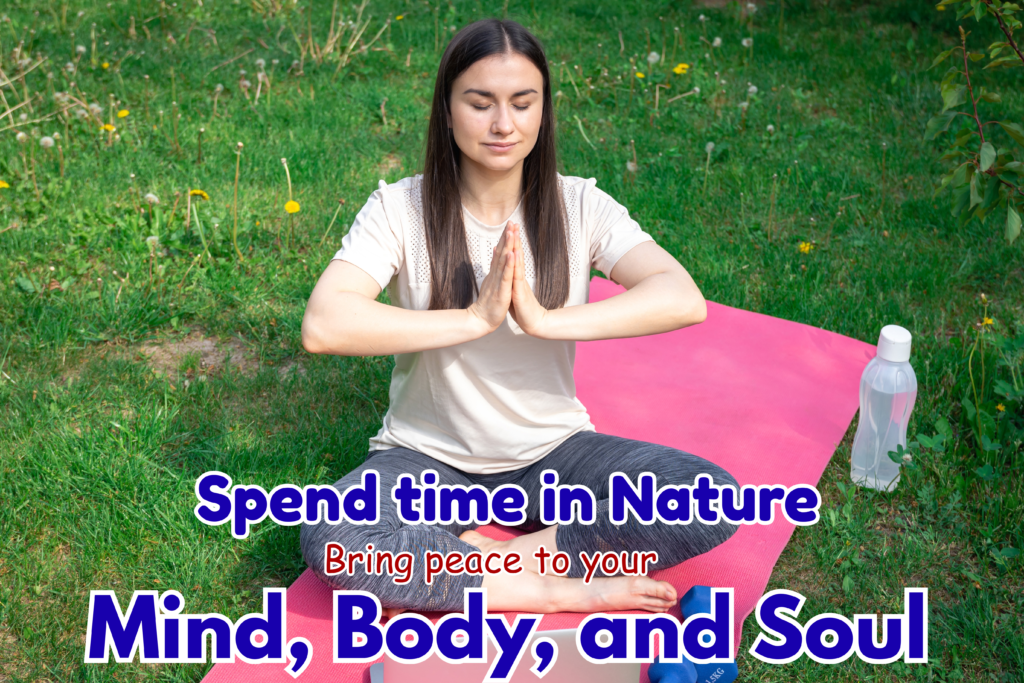
- Practice Self-Care: Do something like outdoor exercise, practise meditation, read, or spend time in nature that nourishes your mind, body, and soul.
- Connect with Loved Ones: For connection, support, and guidance, get in touch with family members, friends, or a trustworthy adult.
- Reflect and Evaluate: Spend some time focusing back on your experiences, as well as the positive and negative aspects. Evaluate what went well and what didn’t, then use this understanding to guide your future decisions and aspirations.
- Set New Goals: Whether they are professional, personal, or academic, set new, attainable goals for yourself. Create a plan for attaining your goals by reducing them down into smaller, easier-to-execute activities.
- Seek Professional Help: Consider a mental health professional for guidance if you’re dealing with constant stress, sadness, or self-doubt.
Conclusion
It’s fairly common for teenagers to experience problems during the post-exam stage. It’s normal to feel emotionally and mentally spent after weeks of preparation, late nights, and constant pressure. This is the reason it’s necessary to set aside time for rest, reflection, and refocus. By putting your mental, emotional, and physical health first, you offer yourself the opportunity to regain your strength, restore a state of equilibrium and get ready for the difficulties that lie ahead.
Recall that overcoming your challenges does not mean ignoring them; rather, it means tackling them with courage. You make room for new ideas, motivation, and self-assurance when you give yourself permission to relax, refuel and reset. This healing phase is not a setback, but rather a step toward developing stronger resiliency, focus, and drive to reach your goals.
Remembering that keeping your health first is not selfish but rather necessary is also crucial. It is a sign of strength, not weakness, to seek guidance, rely on reliable friends or family, and take pauses when necessary. There are people who care about you, wish to encourage you, and will stick with you as you develop; you are not alone on this path.
So breathe deep. After the storm, give yourself permission to relax, recharge, and enjoy the peace. Exams are not the entirety of your story; they are only one chapter. You’re building the skills and courage that will help you succeed in life with every challenge you overcome.
You’ve got this — stronger, wiser, and ready for whatever comes next.
Если планируете поездку в Потсдам, лучше заранее создать маршрут, чтобы иметь возможность увидеть основные достопримечательности за день. Не забудьте голландский квартал, дворец Сан-Суси и Бебенхаузен — эти места идеально отражают прошлое и архитектуру города. Для ценителей природы Потсдам располагает прекрасные парки Германии, а карта достопримечательностей позволит оптимально управлять время. Подробнее о том, что осмотреть в Потсдаме и как попасть до берлинских музеев, можно прочесть здесь санта мария ин арачели .
Еще настоятельно рекомендую зайти на барахолку Дюссельдорфа, если планируете быть в регионе — там можно встретить интересные баварские продукты и даже японский сад. А если готовите поездку в Венецию или Флоренцию, пригодятся маршруты на ограниченное время — они содействуют увидеть как можно больше за минимальное время. Для любителей деятельного досуга и музеев в Германии — великолепные варианты экскурсии и немецкие музейные инициативы, содержащие такие места, как технический музей в Берлине и кинопарк Бабельсберг.
Hi William,
I hope you’re enjoying your day! Thanks for your comments. But sorry to say, your comments are in a language other than English, so I couldn’t get them. Please try to comment in English. I’ll reply positively, please.
Best regards,
Varinder Sharma
Email ID: veekay.1080@gmail.com
Hi there everyone! If you’re looking to figure out your color season, especially if you believe you might be a Deep Summer type, there are many great resources online. Deep Summer color palettes often feature refreshing, muted tones that flatter olive or yellow undertone skin beautifully. Free color analysis evaluations and AI tools can truly help you nail down your season without wasting a dime, and they often include recommendations for clothes and hair colors for 2026 trends too.
I found that using apps like the color analysis pro app or reviewing websites with detailed seasonal color analysis really enhanced my understanding of what colors flatter me best. If you want something fast and interactive, try the quiz at deep summer color season —it’s a reliable starting point to determine what season you are and what clothes or hair colors might boost your natural complexion. Knowing your season can make choosing makeup, hair colors, and clothing shades so much more straightforward and more fun!
Nice it is!
Alright folks, let’s talk about 7mcntructuyen. It’s got a vibe that’s different from the usual. Feels legit and the interface is pretty intuitive. Worth your time, seriously. 7mcntructuyen
You’re most welcome, sir.
With due regards,
Varinder Sharma
Email ID: veekay.1080@gmail.com