

Today’s teens experience anxiety and stress at unprecedented levels. Anxiety conditions are one of the most prevalent mental health issues among teenagers between the ages of 13 and 18, with over 32% of them experiencing them at some point, according to the National Institute of Mental Health. Academic pressure, social media, peer pressure, and even societal standards can all cause stress. While immediate stress may encourage teens to improve their performance, such as in sports or exam preparation, long-term stress can be damaging to their physical and mental well-being, leading to problems including depression, reduced immunity, and sleep disturbances.
Table of Contents
ToggleThe good news is that you can control anxiety and stress by using positive coping techniques. According to research, mindfulness methods like breathing exercises and meditation help people control their emotions and lessen anxiety cycles. Strong social support networks, whether from friends, family, or mentors, operate as protective factors against issues with mental health, and regular physical activity has been shown to lower cortisol levels and increase mood. Even small actions like keeping a consistent sleep schedule or writing in a notebook can greatly reduce anxiety symptoms.
It’s vital to keep in mind that anxiety and stress are usual human reactions to life’s difficulties rather than a sign of weakness. Learning how to handle it well is the most important thing. To assist teenagers in managing anxiety and stress, developing resilience, and succeeding in their everyday lives, we’ll look at eight effective, proven techniques in this article.
Signs of Anxiety and Stress
How can you know if you’re feeling anxious or stressed? Stress can show up physically, emotionally, behaviourally, and even cognitively, according to research. Here are some typical signs to look out for:
Physical symptoms Tight muscles, headaches, stomachaches, fatigue, and disrupted sleep patterns are frequent indicators. Studies from the American Psychological Association note that chronic anxiety and stress can also weaken the immune system, making teens more prone to colds and infections.
Emotional symptoms Persistent feelings of worry, irritability, sadness, or restlessness often accompany anxiety and stress. Teens may feel anxious or overwhelmed by even small tasks. According to the National Institute of Mental Health, prolonged emotional distress can increase the risk of depression.
Behavioural symptoms Stress can lead to procrastination, withdrawal from social activities, or reliance on unhealthy coping mechanisms such as substance use. Avoidance behaviours – such as skipping school or refusing to participate in group activities – are also common warning signs.
Cognitive symptoms Difficulty concentrating, racing thoughts, forgetfulness, and constant overthinking are cognitive markers of stress. Research from Harvard Medical School highlights that anxiety and stress impair working memory, making it harder for students to focus during exams or assignments.
Social symptoms Teens may become withdrawn, overly shy in social situations, or excessively dependent on peer approval. Stress can also trigger conflicts with friends or family due to irritability and mood swings.
Understanding Anxiety and Stress
It’s important to fully understand the true meaning of anxiety and stress before diving into standard methods for managing them. Despite their common similarity, the two terms are not the same:
Anxiety: The body’s normal reaction to outside requests, such as deadlines, tests, or arguments with friends, is stress. It may be brief and at times even beneficial, motivating you to work more. Chronic stress, however, can result in fatigue, agitation, and health issues. Prolonged stress can impair immunity and raise the risk of illnesses like high blood pressure, according to the American Psychological Association.
Fear: On the other hand, anxiety and stress are more than a response to time-sensitive issues. It’s an ongoing sense of anxiety or panic that doesn’t necessarily have a definite cause. Nearly one in three teenagers suffer from an anxiety condition, which can affect daily functioning, relationships, and success in school, according to the National Institute of Mental Health.
How They Interact: Anxiety can exacerbate stress, while stress can cause anxiety. For example, excessive worry over an approaching test (anxiety) can result in headaches and restless nights (stress). The first step in ending this loop is to realise it.
Effects on Adolescents: Because they are juggling peer connections, academic pressures, and identity, teens are particularly vulnerable. Chronic anxiety and stress during adolescence might affect memory and focus, making studying even more difficult, according to research from Harvard Medical School.
8 powerful ways to manage Anxiety and Stress
- Disclaimer -
"This is for information only, not medical advice"
It’s time to focus on practical solutions now that we know what anxiety and stress are and how they appear in daily life. Since anxiety and stress are normal human responses, managing these challenges is more about acquiring effective coping techniques than it is about totally removing them. Teens who use positive ways to cope are more resilient, accomplish better in school, and report feeling better overall, according to research from the American Psychological Association.
There are numerous strategies, from straightforward lifestyle changes to structured methods recommended by mental health experts. For instance, regular exercise has been shown to improve mood and lower cortisol levels, while mindfulness exercises help control emotions and slow down racing thoughts. Even tiny changes, like journaling or improved sleep hygiene, can have a significant impact.
We’ll look at eight useful, research-proven methods that teens can use to better manage their anxiety and stress in the parts that follow. Whether you’re reading for tests, managing friendships, or just seeking balance in a busy schedule, every strategy is useful, verified by research, and applicable to everyday life.
1. Deep Breathing Exercises
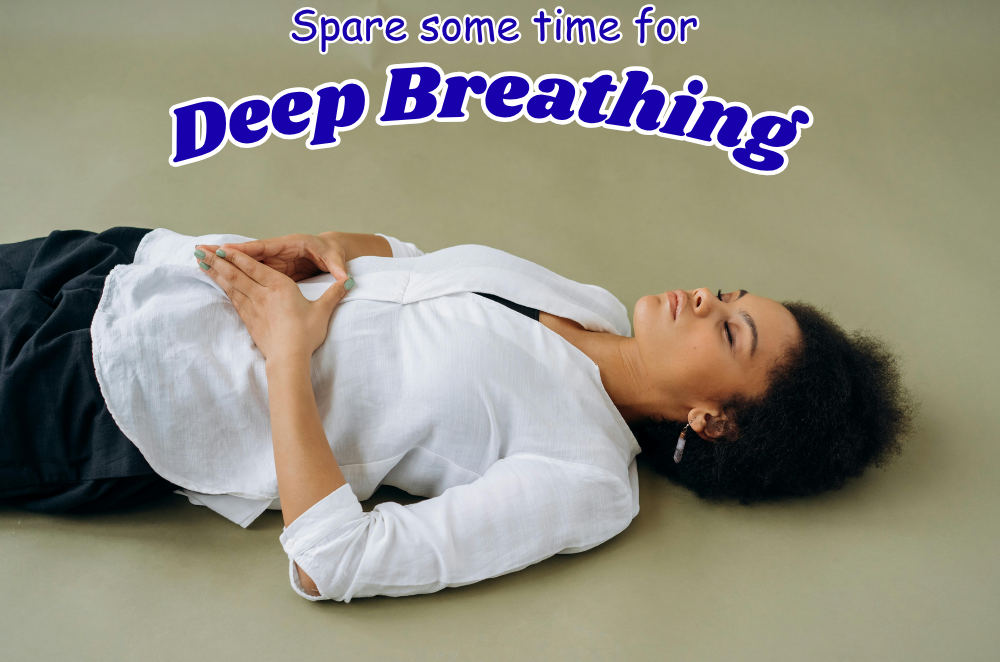
Stress often triggers off the body’s “fight-or-flight” response, which results in tight muscles, shallow breathing, and a fast heartbeat. By activating the parasympathetic nervous system, which calms the body and mind, deep breathing assists in combating anxiety. Research published in the Journal of Psychiatric Research shows that using controlled breathing techniques can significantly decrease teenagers’ anxiety symptoms.
Here’s how to put a fundamental method into practice:
Sit comfortably and place one hand on your chest and the other on your stomach.
Inhale slowly through your nose for 4 seconds, feeling your stomach rise.
Hold your breath for 2–3 seconds.
Exhale gently through your mouth for 6 seconds, noticing your stomach fall.
Repeat this cycle for 5–10 minutes.
In addition to minimising stress levels right away, this technique gradually improves concentration and emotional control. It can be used by teenagers during times of social anxiety as well as prior to exams and presentations.
2. Nutrition and Diet
What you daily consume directly impacts your physical and mental well-being. The brain receives vital nutrients that control mood and energy from a balanced diet full of fruits, vegetables, whole grains, lean proteins, and healthy fats. Diets rich in vitamins, minerals, and omega-3 fatty acids are connected with lower rates of anxiety and stress and depression in teenagers, according to research published in the Journal of Affective Disorders.
Foods That Support Mental Health
Complex carbohydrates (brown rice, oats, and quinoa) help stabilise blood sugar, preventing mood swings and irritability.
Lean proteins (chicken, fish, beans, and lentils) provide amino acids that support neurotransmitter production, including serotonin and dopamine — chemicals that regulate mood.
Omega-3 fatty acids (found in salmon, walnuts, and flaxseeds) have been shown to reduce inflammation and improve brain function.
Hydration is equally important; even mild dehydration can increase feelings of fatigue and anxiety.
Foods to Limit
On the other hand, processed foods, sugary snacks, and caffeinated beverages may worsen anxiety and stress. Consuming a lot of sugar raises blood sugar levels, which causes discomfort and energy slumps. Drinking too much coffee can cause a fast heartbeat, sleep deprivation, and restlessness. Reducing processed food consumption is one of the easiest methods to enhance general mental health, according to the Harvard School of Public Health.
Practical Tips for Teens
Start the day with a balanced breakfast (e.g., oatmeal topped with fruit and nuts).
Carry healthy snacks like bananas, almonds, or yoghurt to avoid reaching for chips or soda.
Plan meals ahead to reduce reliance on fast food.
Practise mindful eating — slow down, chew thoroughly, and notice how different foods make you feel.
3. Time Management
Stress and anxiety are frequently worsened by poor time management. The brain develops a state of constant tension when work grows, deadlines approach, and responsibilities seem overwhelming. Students who manage their time well claim to be less stressed and doing better in school, according to the American Psychological Association. Planning your day will help you be more efficient and protect your mental health.
Why Time Management Matters
Reduces overwhelm: Breaking tasks into smaller steps keeps you from feeling buried under responsibilities.
Improves focus: Structured schedules help teens concentrate on one task at a time instead of multitasking, which often increases anxiety.
Supports balance: Allocating time for school, hobbies, and rest ensures a healthier lifestyle and prevents burnout.
Practical Strategies
Prioritise tasks: Use the “Eisenhower Matrix” — divide tasks into urgent/important, important/not urgent, urgent/not important, and neither. This helps identify what truly needs attention.
Set achievable goals: Break large projects into smaller milestones. Completing each step builds confidence and reduces stress.
Use planners or apps: Tools like Google Calendar, Todoist, or even a simple notebook can help track deadlines and daily routines.
Schedule breaks: Research from Harvard Business Review shows that short breaks improve concentration and reduce fatigue. Try the “Pomodoro Technique” — 25 minutes of focused work followed by a 5-minute break.
Avoid procrastination: Start with the hardest task first (“eat the frog” method). This reduces anxiety and builds momentum for the rest of the day.
Relatable Example
Let’s say you have three tasks that are due this week, in addition to family responsibilities and basketball practice. Without preparation, you may rush through duties, stay up late, and have constant anxiety. However, you may regain control and lessen stress with an easy programme that includes setting aside Sunday for leisure, practising in the evenings, and devoting an hour each day to each task.
4. Journaling and Writing
One of the most straightforward yet powerful strategies for stress and anxiety management is writing. Putting ideas down on paper helps you separate yourself from your feelings, which facilitates digesting them. Research that was published in the Journal of Clinical Psychology claims that expressive writing can boost immunity, improve mood, and reduce anxiety. Journaling provides teens a secure way to express their emotions without worrying about judgement.
Why Journaling Helps
Emotional release: Writing down worries or frustrations helps release pent-up emotions, reducing the intensity of stress.
Clarity of thought: Journaling organises scattered thoughts, making it easier to identify triggers and patterns.
Self-reflection: Reviewing past entries helps teens see their progress, recognise recurring challenges, and build resilience.
Problem-solving: Writing about stressful situations often leads to new insights and solutions.
Practical Approaches
Daily diary: Spend 10 minutes each evening writing about the day’s experiences, emotions, and lessons learned.
Gratitude journaling: List 3 things you’re thankful for each day. Studies from the University of California, Davis, show that gratitude practices improve overall mental well-being.
Creative writing: Short stories, poems, or even letters (not sent) can help express emotions indirectly.
Stress log: Track moments of anxiety, what triggered them, and how you responded. Over time, this builds awareness and coping strategies.
Relatable Example
I still remember my own nervousness when I had to present the entire annual school account to the inspection team for the first time. My hands were shaking. I wrote in my diary, “I am anxious because the accounts are huge.” Then I wrote, “But I have tallied 2 registers today; I will complete the last one by 9 am. “That night I slept peacefully.

5. Social Support
One of the most effective weapons against stress and anxiety is human contact. When encouraging friends, relatives, or mentors surround you, feelings of isolation diminish, and they provide emotional security. Strong social support networks are associated with decreased rates of anxiety and depression, particularly among teenagers combining social and academic demands, according to the National Alliance on Mental Illness (NAMI).
Why Social Support Matters
Emotional comfort: Talking to someone you trust helps release bottled-up emotions and provides perspective.
Sense of belonging: Being part of a group — whether a sports team, club, or close circle of friends — reinforces identity and reduces loneliness.
Practical help: Supportive peers and family can offer advice, share responsibilities, or help with problem-solving during stressful times.
Resilience building: Studies from the American Psychological Association show that teens with strong social ties bounce back faster from setbacks.
Practical Ways to Build Support
Stay connected: Make time for regular conversations with friends or family, even if it’s just a quick check-in.
Join groups: Participate in clubs, sports, or community activities to meet peers with shared interests.
Seek mentors: Teachers, coaches, or counsellors can provide guidance and encouragement.
Limit toxic relationships: Surround yourself with people who uplift you, not those who add stress or negativity.
Use technology wisely: Social media can connect you, but balance it with face-to-face interactions to avoid superficial connections.
Relatable Example
Before an essential exam, imagine yourself feeling overloaded. A parent’s affirmation can help you restore confidence, and talking to a friend who is also getting ready will help you feel less alone. You can feel less anxious and reminded that you don’t have to face challenges alone with even a brief, supportive talk.
6. Healthy Sleep Habits
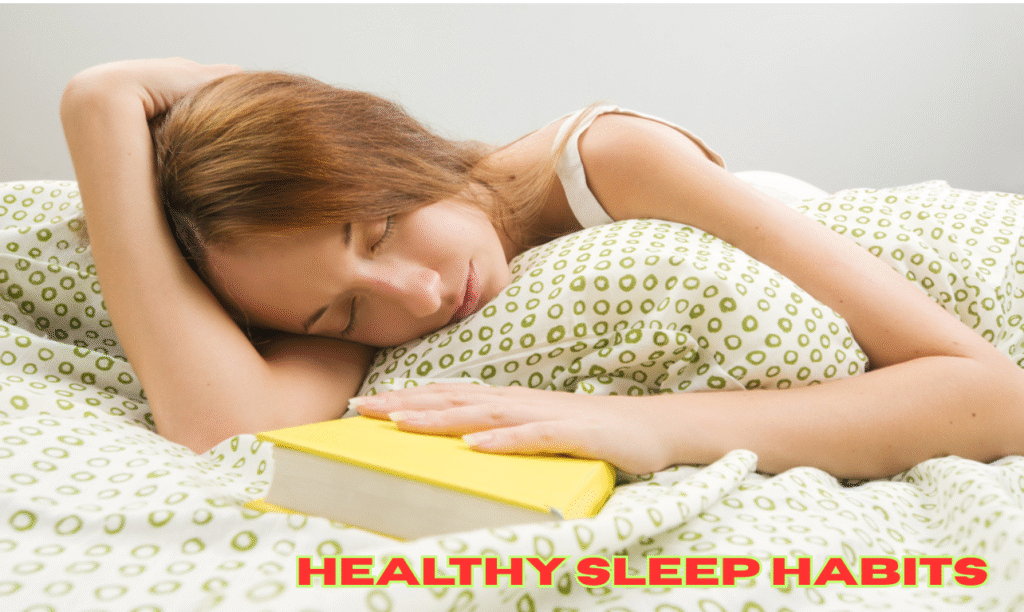
One of the most overlooked but essential elements of stress and anxiety management is sleep. For their bodies and brains to recover, teenagers require between 7 and 9 hours of sleep per night. The National Sleep Foundation claims that insufficient sleep exacerbates anxiety symptoms, decreases focus, and increases discomfort. Excessive sleep deprivation can even affect memory and judgement, increasing the stress of social interactions and education.
Why Sleep Matters
Mood regulation: Quality sleep helps balance neurotransmitters like serotonin and dopamine, which play a key role in emotional stability.
Stress reduction: Deep sleep lowers cortisol (the stress hormone), helping the body reset.
Improved focus: Well-rested teens perform better academically and are more resilient to daily challenges.
Practical Sleep Strategies
Consistent schedule: Go to bed and wake up at the same time every day, even on weekends. This trains your body’s internal clock.
Relaxing bedtime routine: Activities like reading, journaling, or listening to calming music signal the brain that it’s time to wind down.
Limit screen time: Avoid phones, laptops, or TV at least one hour before bed. The blue light from screens disrupts melatonin production, making it harder to fall asleep.
Create a sleep-friendly environment: Keep the bedroom cool, dark, and quiet. Consider blackout curtains or white noise if needed.
Avoid stimulants: Reduce caffeine intake (coffee, energy drinks, sodas) in the afternoon and evening, as it can interfere with sleep quality.
Relatable Example
Before an exam, imagine yourself staying up late browsing social media. You have exhausted yourself, are nervous, and are unable to concentrate when you wake up. In contrast, you wake up feeling refreshed, at ease, and more prepared for the exam if you keep your phone aside an hour before bed, read a book, and sleep for 8 hours.

7. Relaxation Techniques
The body and mind can be relaxed by using relaxation techniques. The nervous system frequently remains in “fight-or-flight” mode as stress levels rise, resulting in tension, a rapid heartbeat, and racing thoughts. Relaxation techniques activate the parasympathetic nervous system, which reduces stress hormones and re-establishes normal balance. Teenagers’ anxiety symptoms can be considerably reduced by techniques like yoga, progressive muscle relaxation, and meditation, according to research from the National Center for Complementary and Integrative Health.
Common Relaxation Methods
Yoga: Combines physical postures, breathing exercises, and mindfulness. Studies from Johns Hopkins University highlight that regular yoga practice improves mood and reduces stress levels in adolescents.
Progressive muscle relaxation: Involves tensing and then slowly releasing each muscle group, starting from the toes and moving upward. This technique reduces physical tension and promotes body awareness.
Visualisation: Also called ‘guided imagery’, this practice encourages you to imagine calming scenes — like a beach or forest — to shift your focus away from stressors. Research shows that visualisation lowers blood pressure and heart rate.
Breathing-based relaxation: Techniques such as diaphragmatic breathing or the 4-7-8 method help regulate breathing patterns and calm the mind.
Practical Tips for Teens
Dedicate 10–15 minutes daily to one relaxation technique.
Use apps or YouTube videos for guided sessions if you’re new to yoga or visualisation.
Practice before stressful events (like exams or presentations) to reduce anxiety.
Combine relaxation with other healthy habits, such as journaling or exercise, for greater impact.
Relatable Example
Sit on a chair. Take a deep breath. Tighten your hands for 5 seconds… and let go. Tighten your shoulders… and let go. Do this for your full body for 5-10 minutes. Then, for 2 minutes, just close your eyes and see yourself speaking clearly, smiling, and everyone clapping. Your brain doesn’t know the difference between imagination and reality. If you practise calmness in your mind, your body will deliver calmness on stage.
8. Seek Professional Help
Self-help techniques might not be sufficient when stress and anxiety feel overpowering. Speaking with a mental health professional is a crucial step in these situations. Psychologists, therapists, and counsellors are qualified to provide general guidance, coping strategies, and customised emotional support. The World Health Organization claims that early intervention greatly improves results for teenagers who have seen stress and anxiety.
Why Professional Help Matters
Personalised care: Professionals can identify specific triggers and design coping strategies that fit your lifestyle.
Evidence-based therapies: Approaches like Cognitive Behavioural Therapy (CBT) and mindfulness-based therapy have been proven effective in reducing anxiety symptoms.
Safe space: Talking to a therapist provides a judgement-free environment to express feelings openly.
Support for severe cases: If anxiety interferes with school, relationships, or daily functioning, professional help ensures you don’t face it alone.
Practical Steps for Teens
Start with school resources: Many schools have counsellors available for confidential support.
Talk to a trusted adult: Parents, teachers, or mentors can help connect you with professionals.
Explore therapy options: In-person sessions, online therapy platforms, or support groups can all be effective.
Know when to seek help: If anxiety persists for weeks, worsens over time, or leads to avoidance of daily activities, it’s time to consult a professional.
Relatable Example
Imagine a teenager who always experiences anxiety before class presentations to the extent of missing class. In addition to teaching relaxation techniques and gradually increasing confidence, a counsellor can assist in identifying the root cause of the issue. Over time, effective guidance can convert overpowering terror into manageable tension.
Final Thought
Since stress and anxiety are normal parts of life, particularly in teenage years, managing them does not mean completely eliminating them. It’s important to understand how to react to them in positive, healthy ways. Teens can develop resilience and safeguard their mental health by implementing self-care routines, taking up methods for reducing stress and maintaining relationships with helpful people.
Teens who regularly use ways to cope, such as writing, exercise, mindfulness, and good sleep practices, report feeling less anxious and more content overall, according to research from the American Psychological Association. Choosing nutritious food, scheduling downtime for relaxation, or contacting a reliable friend when feeling overwhelmed are just a few tiny, everyday adjustments that can have a big effect.
Additionally, it’s critical to keep in mind that asking for assistance is a sign of strength rather than weakness. Professional advice can offer skilled help and useful tools for recovery if stress or anxiety feels uncontrollable. Prioritising mental health at an early age lays the foundation for a better, more self-assured future. It is equally as vital as physical health.
Teens may face difficulties with more bravery and clarity if they adopt these techniques. There will always be stressful times, but they can be handled more easily and bravely with the correct routines and assistance. Prioritising your mental health is about more than just lowering anxiety; it’s about achieving your full potential to succeed in relationships, education, and life.
Author's Box

As a student and an educational and motivational blogger, Plakshi shares insights on communication, confidence, and personal growth through inspiring posts.
7 thoughts on “8 Powerful Ways to Manage Anxiety and Stress in Teenagers”