
Introduction
Excessive examination pressure can harm students’ mental health, emotional equilibrium, and general development, even while some pressure may encourage students to work more. Therefore, it’s critical that parents, educators, and society as a whole grasp the causes and effects of exam stress and cooperate to foster a more healthy and encouraging learning environment.
Exams have always been considered as a vital component of education. They assist in assessing a student’s comprehension, finding learning gaps, and preparing children for future problems in the classroom and in the workplace. However, exams are now much more than just a tool for assessment in today’s highly competitive society. They are now a cause of significant psychological stress, fear, and anxiety for many children.
Author’s Column

As a student and an educational and motivational blogger, Plakshi shares insights on communication, confidence, and personal growth through inspiring posts.
Many children suffer from anxiety disorders, mood swings, sleep disorders, and self-doubt as exam season draws near. Additionally, many parents have anxiety with their children’ performance, often unintentionally passing on their concerns and expectations to them. As a result, there is an overwhelming atmosphere where scores often seem more significant than actual learning.
This article will discuss the effects of exam pressure on kids, the causes for its rise, its warning indicators, and the useful steps parents may do to help their kids during difficult times at school.
sleep issues, emotional distress, tiredness, and low self-esteem
Understanding Examination Pressure
The mental and emotional strain that students experience prior to, during, or post examinations is referred to as examination pressure. It is common when children believe that their acceptance, future, or self-worth is entirely dependent on academic success.
Many students begin to view exams as a measure of their intelligence rather than an assessment of their readiness. Even small setbacks can feel like personal failures when such a situation of examination pressure occurs.
There seems to be greater academic competition for children now than there was in the past. Academic achievement might seem to be the sole path to success due to expectations from peers, parents, relatives, schools, and social media.
Why Is Examination Pressure Increasing?
1. High Parental Expectations
It appears that most parents want the best for their children. But sometimes, kids feel like they have to show themselves all the time because of the high expectations. Statements like:
- You must score above 95%.”
- “Your cousin got better marks.”
- “We have invested so much in your education.”
may unintentionally cause worry and fear.
Instead of focusing on their education, children often begin worrying about disappointing their parents.
2. Intense Academic Competition
The level of competition for admission to prestigious schools, colleges, and professional programs has intensified. People often tell children that one bad outcome could affect their future.
This idea puts a lot of examination pressure on people, especially teenagers.
3. Peer Pressure
Students often make parallels between themselves and their friends and classmates, ultimately creating examination pressure.
Even when they perform very well, youngsters may feel inadequate if discussions about grades, rankings, coaching classes, and successes constantly surround them.
4. Social Media Influence
Social media frequently celebrates academic successes while ignoring obstacles and failures.
Students may develop unrealistic standards and meaningless judgments as a result of seeing success stories, high marks, and awards on a daily basis.
5. Fear of Failure
Rather than growing from mistakes, many children are taught to be scared of them.
Examination pressure thus becomes a tool for mere survival rather than a means to demonstrate learning and growth.
A Practical Example
Consider two students in Class 10 preparing themselves for their board examinations. Both are competent students and diligent workers. But the first student hears remarks such as “You must score above 95%,” all the time, which gradually makes them anxious and frightened of losing.
Examination pressure starts to impair confidence and focus even when one is well-prepared. Parents that emphasize learning, effort, and consistency over grades alone support the second student. The student consequently approaches exams with a more controlled and hopeful attitude. This indicates that, although tests measure knowledge, a supportive setting often plays a critical role in helping children perform at their best.
My Personal Experience
I was pressured to do well on exams during my school years, much like many other students. Everyone seemed to be talking about marks, rankings, and expectations as exams got near. Even though I was often ready, I sometimes worried about my ability to perform to standards.
In retrospect, I see that quite a bit of that worry stemmed from the idea that one test could decide my destiny. I learned from experience that tests are important, but they are only one part of the journey of life. This knowledge has reinforced my conviction that children require much more emotional support, self-assurance, and encouragement than constant pressure and unrealistic expectations.
How Examination Pressure Affects Children

when severe examination pressure takes over their education
1. Increased Anxiety and Stress
One of the most common effects of examination pressure is anxiety.
Children may experience:
- Constant worrying
- Restlessness
- Nervousness
- Rapid heartbeat
- Sweating
- Panic before examinations
Some students begin feeling anxious weeks before exams begin.
2. Sleep Disturbances
Many children stay awake late into the night studying or worrying about upcoming exams.
Lack of sleep due to examination pressure can lead to:
- Poor concentration
- Reduced memory retention
- Irritability
- Fatigue
Interestingly, studying while sleep deprived often results in lower performance in school.
3. Declining Self-Confidence
When children link their self-worth solely to grades, any academic setback can damage their confidence due to examination pressure.
A student who receives lower-than-expected marks may begin believing:
- “I’m not intelligent.”
- “I’m a failure.”
- “I can never succeed.”
Such beliefs can be emotionally damaging and long-lasting.
4. Physical Health Problems
Examination pressure does not affect only the mind.
Many children develop physical symptoms such as
- Headaches
- Stomach aches
- Nausea
- Muscle tension
- Loss of appetite
These symptoms are often directly connected to anxiety.
5. Reduced Interest in Learning
Children cease learning out of curiosity and start studying only for grades when severe examination pressure takes over their education.
This may limit originality, creativity, and true passion for studying.
6. Burnout and Emotional Exhaustion
Continuous examination pressure without adequate relaxation can eventually lead to burnout.
Burned-out children often become:
- Emotionally drained
- Unmotivated
- Detached from studies
- Less productive
A Practical Example
Consider a pupil who does well academically in general. Parents, professors, and family members frequently stress the need to obtain satisfactory marks when examinations come close. The child ultimately starts to worry more about failure than preparation. He puts in more time studying, forgoes pleasure and sleep, and becomes more anxious due to examination pressure. Even though he is prepared, he feels anxious and emotionally wiped out when he walks into the exam room. He worries about disappointing other people rather than concentrating on the questions. As a result, his performance suffers.
This example illustrates how excessive examination pressure frequently becomes more of a barrier than the test itself, impacting both academic achievement and mental well-being.
My Personal Experience
Imagine a student who performs well in school in general. Parents, teachers, professors, and loved ones often emphasize the need to achieve satisfactory marks as examinations draw closer. The child eventually starts to worry more about failure than preparation. He spends longer hours studying, avoids recreation and sleep, and becomes increasingly more anxious. Even though he is prepared, he feels nervous and emotionally drained out when he walks into the exam room. He worries about disappointing others rather than concentrating on the questions. His performance suffers due to examination pressure.
This example illustrates how excessive examination pressure frequently becomes more of a barrier than the test itself, impacting both academic performance and mental health.
Warning Signs Parents Should Never Ignore
Parents should be alert to any signs that a child is:
- Frequent crying
- Anger or irritability
- Social withdrawal
- Excessive worry about results
- Difficulty sleeping
- Sudden drop in appetite
- Loss of interest in favorite activities
- Lack of confidence
- Negative self-talk
Identifying these signs early can help prevent more serious mental health concerns.
A Practical Example
Consider two students preparing for the same exam.
Student A is regularly notified that a score below 90% is unacceptable. Each conversation at home revolves around scores, rankings, and competition.
Regardless of the score, Student B is encouraged to prepare with integrity, learn from mistakes, and do their best.
Student B is often more likely to perform confidently since there is not as much pressure and better emotional support, even though both students may study just as diligently.
This example shows how a child’s environment often has an equal impact on performance as their academic ability.
My Personal Experience
Over the years, I have seen many students, including those who were academically capable, become overly anxious due to examination pressure.
Throughout the year, one of the students I worked with regularly performed well in school, but prior to final exams, she suffered severe anxiety. She was well prepared, but she was always self-aware since she would rather not let her parents down. Stress affected her ability to stay focused during exams, and her performance was subpar.
However, a different student with average academic skills always received social support from his family. His parents emphasized learning, effort, and discipline over grades. He therefore undertook assessments with assurance and gradually raised his score each year.
These interactions confirmed a crucial lesson: kids thrive when they feel supported rather than criticized. Success is frequently more influenced by confidence than by pressure.
What Parents Can Do to Help
1. Focus on Effort Rather Than Results
Praise dedication, consistency, and hard work. Instead of asking:
“How many marks will you get?”
ask:
“Did you understand the concepts well?”
This small shift can greatly reduce stress.
2. Set Realistic Expectations
Every child has unique strengths, talents, and learning styles.
Avoid comparing your child with siblings, relatives, or classmates.
Realistic expectations encourage growth without creating unnecessary examination pressure.
3. Encourage Open Communication
Create an environment where children feel safe discussing:
- Academic fears
- Study difficulties
- Emotional concerns
- Exam-related stress
Sometimes listening is more valuable than giving advice.
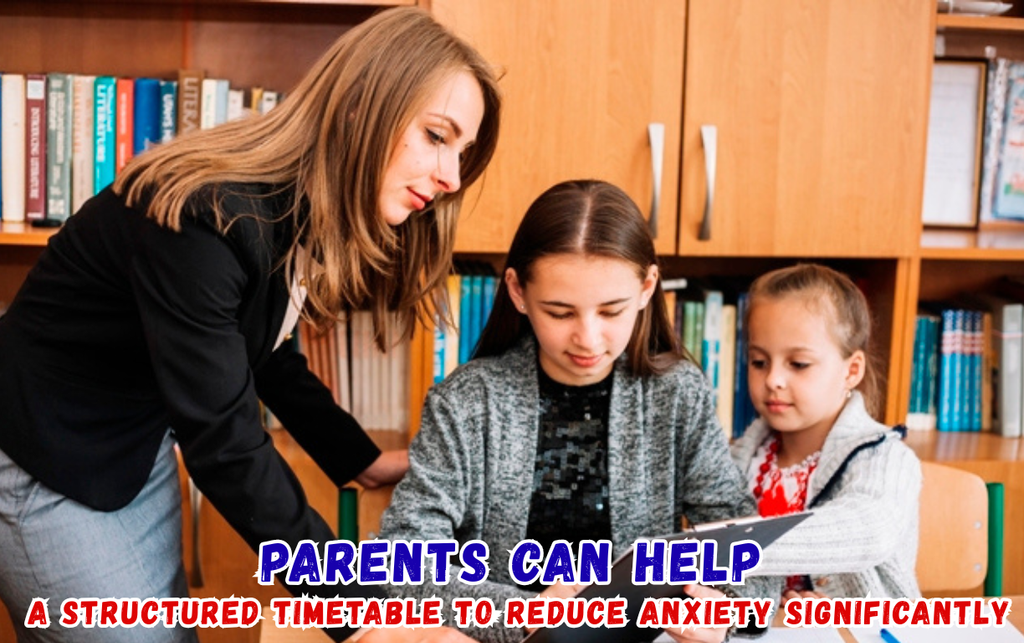
4. Help Create a Study Plan
A structured timetable can reduce anxiety and examination pressure significantly.
Encourage children to:
- Divide large tasks into smaller goals
- Take regular breaks
- Prioritize difficult subjects
- Review consistently
Good planning prevents last-minute panic.

5. Support Healthy Habits
Children perform better when they maintain:
- Adequate sleep
- Balanced nutrition
- Physical activity
- Recreation and hobbies
Mental health and physical health are closely linked.
6. Celebrate Small Wins
Recognize improvements, no matter how small.
Completing a chapter, improving a test score, or maintaining consistency all deserves appreciation.
These victories build motivation.
7. Teach Relaxation Techniques
Simple techniques can reduce anxiety:
- Deep breathing exercises
- Meditation
- Yoga
- Mindfulness activities
- Short walks
Even 10 minutes of relaxation can improve focus and emotional balance.
My Practical Experience as a Parent
As a parent with two children, I witnessed directly the mental health issues that often occur during exam times. Like any parent, I wanted my children to do well, but gradually, I came to realize that emotional health is as important as academic achievement. I saw indications of examination pressure and stress as exams approached close, including worry, longer study sessions, and anxiety about test results.
I eventually learned that children react better to encouragement than to pressure. Open conversations, realistic expectations, sufficient sleep, and recognition of hard work helped increase their confidence. I’ve realized from my experience that children keep parental support much longer than they achieve test results.
The Role of Teachers
Teachers also play a vital role in reducing examination pressure.
They can help by:
- Creating a supportive classroom atmosphere
- Providing constructive feedback
- Encouraging questions
- Avoiding public comparisons
- Recognizing effort and improvement
- Teaching effective study strategies
A supportive teacher can significantly boost a student’s confidence.

My Practical Experience as a Teacher
In my position as a teacher, exam results don’t always correspond to a student’s actual potential. As exams drew near, many students who participated in class and had a solid grasp of the material would start to feel anxious. Their dread of making mistakes often affected their confidence more than their readiness did.
Additionally, I observed that a few words of encouragement might greatly improve a student’s performance and outlook. I learned the value of patience and understanding since every child reacts to pressure in a different way. My experience has led me to believe that instructors are crucial in helping students develop confidence, reduce worry, and approach exams with a positive attitude when it comes to teaching knowledge.
Building a Growth Mindset
Children need to understand that intelligence is not fixed.
Every mistake presents an opportunity to learn.
Teach children to replace statements such as:
- “I can’t do this.”
with:
- “I can’t do this yet.”
This simple mindset shift promotes resilience and perseverance.
When children view challenges as opportunities rather than threats, examination stress becomes easier to manage.
Helping Children See the Bigger Picture
Parents should remind children that examinations are important, but they do not define an individual’s worth or future.
Many successful people have experienced academic setbacks before achieving success in life.
Character, perseverance, creativity, communication skills, emotional intelligence, and problem-solving abilities are equally important aspects of long-term success.
Teaching children this broader perspective can reduce unnecessary pressure.

Conclusion
Exam pressure has grown into a major concern for children throughout the world. Exams are an important part of academic life, but too much pressure may damage children’ confidence, mental health, and overall well-being. Overwhelming academic expectations can lead to several adverse results, including anxiety, sleep issues, emotional distress, tiredness, and low self-esteem.
To ensure children view exams as possibilities for development rather than sources of anxiety, parents, teachers, and society overall must work together. We may help children overcome academic challenges with resilience and confidence by encouraging effort, providing emotional support, supporting healthy habits, and fostering a growth mentality.
The development of satisfied, healthy, self-assured, and capable individuals who are ready for life’s many challenges should be the ultimate purpose of education rather than just getting high grades.
Frequently Asked Questions (FAQs)
-
What is examination pressure?
Examination pressure refers to the stress, anxiety, and emotional strain students experience before, during, or after examinations due to expectations and performance concerns.
-
Is some examination pressure normal?
Yes. Moderate pressure can motivate students to study and stay focused. Problems arise when pressure becomes excessive and begins affecting mental or physical health.
-
What are common signs of exam stress in children?
Common signs include anxiety, irritability, sleep disturbances, headaches, excessive worrying, lack of concentration, and declining self-confidence.
-
How can parents reduce exam pressure?
Parents can reduce pressure by setting realistic expectations, avoiding comparisons, encouraging open communication, focusing on effort rather than grades, and supporting healthy habits.
-
Can exam stress affect physical health?
Yes. Stress can contribute to headaches, stomach aches, fatigue, sleep problems, muscle tension, and changes in appetite.
-
When should parents seek professional help?
Professional help should be considered if a child experiences persistent anxiety, severe stress, depression, panic attacks, social withdrawal, or significant changes in behavior.
-
How important is sleep during examinations?
Sleep is essential because it improves concentration, memory retention, emotional regulation, and overall academic performance.
-
Are grades the only measure of success?
No. Long-term success depends on many factors, including character, communication skills, creativity, emotional intelligence, discipline, and resilience.
Call to Action (CTA)
Have you observed how teenagers around you are affected by exam stress? We all have a part to play in promoting a healthier learning environment as parents, teachers, and caregivers. In the space allocated to comments below, share your tactics and experiences. By working together, we can help children replace pressure with purpose and fear with confidence.