
Introduction
The United States’ approach to international nuclear diplomacy experienced a major shift during the presidency of Donald Trump. Trump, as opposed to his predecessors, used a more transactional approach that came from his background as a businessman. His broader philosophy, which emphasised direct negotiations, leverage, and unilateral action over multilateral cooperation, was reflected in his nuclear policy, which went beyond security. Donald Trump’s strategy reshaped the global debate on nuclear treaties and broke down decades of established diplomatic standards.
Trump’s 2018 withdrawal from the Iran Nuclear Deal (JCPOA) was one of the most distinct characteristics of his nuclear policy. Trump expressed his distaste for multilateral agreements and his preference for aggressive pressure campaigns by rejecting what he called a “flawed agreement.” Donald Trump met Kim Jong-un in person in historic summits while pursuing courageous, unprecedented diplomacy with North Korea.
These actions demonstrated his desire to overcome challenges, but they also showed his style’s limitations because they were unable to result in legally binding agreements. Donald Trump’s belief that traditional arms control frameworks limited U.S. defence capabilities was further demonstrated by his decision to withdraw from the Intermediate-Range Nuclear Forces (INF) Treaty.
Donald Trump’s nuclear-treaty approach has left a heated legacy. His supporters contend that he made the globe face difficult truths regarding compliance and enforcement and exposed weaknesses in outdated agreements. However, critics claim that his actions increased tensions with Iran, damaged confidence in international organisations, and risked initiating new weapons races. Donald Trump’s nuclear diplomacy continues to shape discussions about international security today, whether people see it as a daring interruption or a careless abandonment. This blog examines the intricacies of his approach, evaluating successes, failures, and the global reaction to what is basically a Trump nuclear treaty policy.
Trump’s Past Life and Rise to Power
Donald Trump’s path to the presidency was unlike that of any other US leader. Donald Trump grew up in a family that was actively involved in real estate after his birth in Queens, New York, in 1946. Donald Trump soon became proficient in the business, building, and negotiation sectors due to his father, Fred Trump, who was a renowned developer. Donald Trump entered the family business after graduation from the University of Pennsylvania’s Wharton School and quickly positioned himself in Manhattan’s tough real estate market. He developed a brand that went far beyond real estate development because of his brazen personality, aggressive negotiation style, and love for publicity.
By the 1980s and 1990s, the public widely recognised Donald Trump for both his lavish personality and his high-rise buildings and casinos. His business endeavours included golf courses, hotels, and even the well-known reality TV show The Apprentice, which reinforced his reputation as a strong, decisive businessman. His background shaped his transactional approach to politics, viewing diplomacy as a series of negotiations to be won or lost rather than as long-term cooperative frameworks.
(Photo – Andrew Lichtenstein via Getty Images)
Donald Trump’s status as an outsider helped him rise to political renown. He ran for president in 2016, presenting himself as a disruptor who would oppose the status quo and “make America great again.” His campaign focused on directness, leverage, and a lack of confidence in international institutions, reflecting his commercial career. These characteristics became apparent in his nuclear treaty policies once he took office. Because he believed that one-on-one agreements allowed the United States to maximise its bargaining leverage, Donald Trump favoured bilateral discussions over multilateral agreements.
Basically, Donald Trump’s previous professions as a television icon and businessman had a direct impact on his ability to lead. His dependence on interpersonal relationships, audacious rhetoric, and readiness to go against norms affected his approach to nuclear diplomacy. Analysing Donald Trump’s nuclear treaty policy requires an understanding of this background, as it explains why he often chose direct, high-profile negotiations over traditional diplomatic channels.
Key Nuclear Policies
The Iran Nuclear Deal (JCPOA)
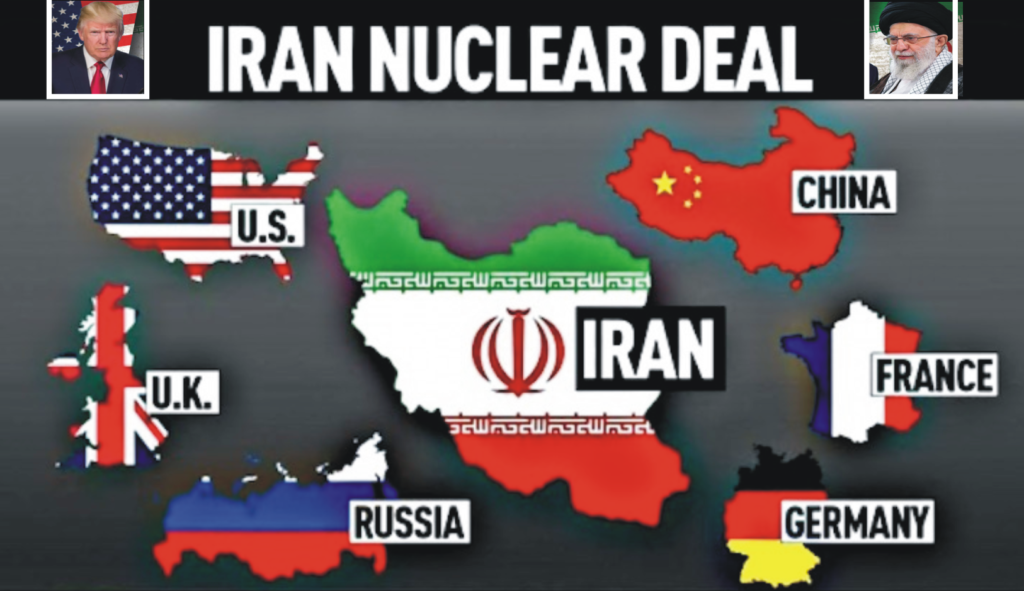
In 2015, Iran and six big nations—the United States, the United Kingdom, France, Germany, Russia, and China—signed the Joint Comprehensive Plan of Action (JCPOA), commonly referred to as the Iran Nuclear Deal. Its objective was simple but ambitious: to restrict Iran’s nuclear programme in exchange for the removal of harsh economic sanctions. Iran is committed to reducing its nuclear material stockpile, restricting uranium enrichment, and allowing International Atomic Energy Agency (IAEA) inspections. The international community provided opportunities for trade and economic integration in return.
However, Donald Trump thought the JCPOA was highly flawed. He claimed that the deal did not address Iran’s ballistic missile programme, its regional support for Yemen and Syria, or the sunset clauses that allowed restrictions to end after a specific period of time. Donald Trump announced the United States’ withdrawal from the JCPOA in May 2018, referring to it as “the worst deal ever negotiated”. Re-imposing sanctions on Iran’s banking sector, oil exports, and other vital sectors was part of his administration’s maximum pressure approach.
The objective was to force Iran to head back to the negotiating table to reach a more detailed agreement that included wider security concerns. The consequences were harsh and swift in nature. Feeling deceived, Iran gradually stopped complying with the JCPOA and restarted uranium enrichment above predefined thresholds. With incidents like tanker attacks in the Persian Gulf and the 2020 U.S. drone strike that killed Iranian General Qassem Soleimani, tensions in the Middle East escalated.
Strong JCPOA supporters in Europe criticised Donald Trump’s unilateral withdrawal, arguing that negotiations were the most effective way to stop nuclear proliferation. Israel, which views Iran as a direct existential risk, welcomed Trump’s position. Around the world, Donald Trump’s withdrawal from the JCPOA showed his general suspicion of multilateral treaties. His supporters contend that maximum pressure exposed Iran’s deficiencies and that the JCPOA was inadequate. Critics argue that the departure raised the possibility of nuclear escalation, isolated Washington from its allies, and undermined trust in U.S. commitments.
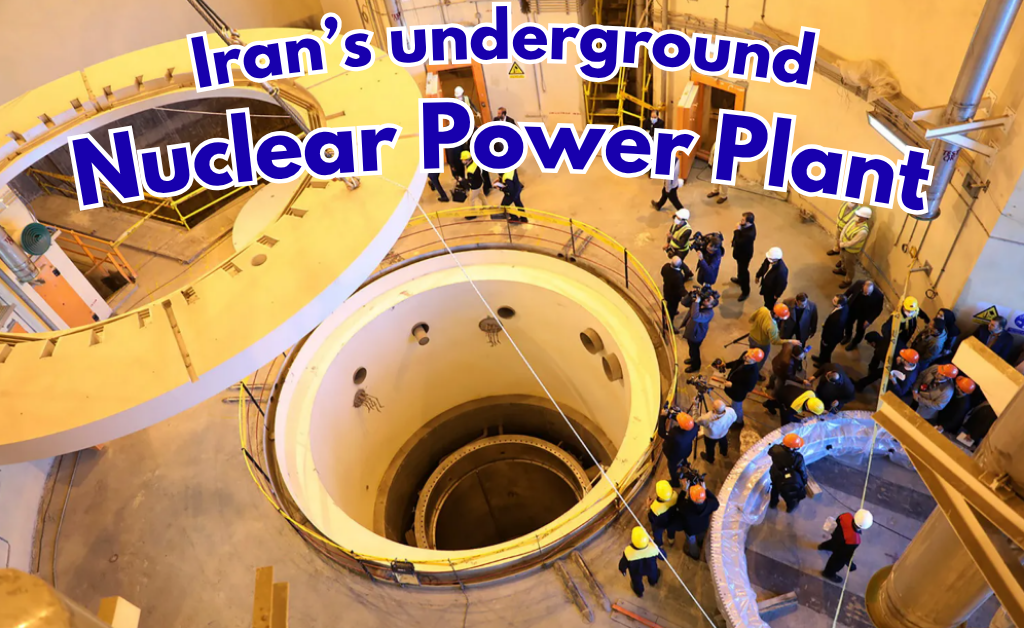
In the long run, Trump’s JCPOA decision continues to be one of the most significant—and controversial—facets of his nuclear treaty policy.
North Korea Diplomacy
Donald Trump’s direct engagement with North Korea was one of the most notable aspects of his nuclear policy. U.S. presidents have relied on cautious diplomacy for decades, often mediated through multilateral talks like the Six-Party Talks. By meeting North Korean leader Kim Jong-un in person, Donald Trump broke this tradition, stunning the entire globe and making headlines across the world.
The first summit, that took place in Singapore in June 2018, was the first time a North Korean leader and a sitting U.S. president had ever come together. The historic event marked a thaw in ties between two nations that had long regarded each other as adversaries. Kim Jong-un viewed the summit as a recognition of North Korea’s legitimacy on the global stage, while Trump saw it as a bold step toward denuclearisation. After the summit, a joint statement was issued pledging to work toward “complete denuclearisation of the Korean Peninsula,” but it included no time constraints or sanctions.
In February 2019, there had been a second summit in Hanoi, but it ended abruptly and without an agreement. North Korea sought partial relief in exchange for the elimination of some nuclear facilities, but the United States demanded ultimate disengagement before easing sanctions. The failure brought to light the distinction between North Korea’s strategic calculations and Trump’s ambitious goals. Trump continued to emphasise his close relationship with Kim despite the lack of concrete progress, famously claiming that they “fell in love” through their writing.
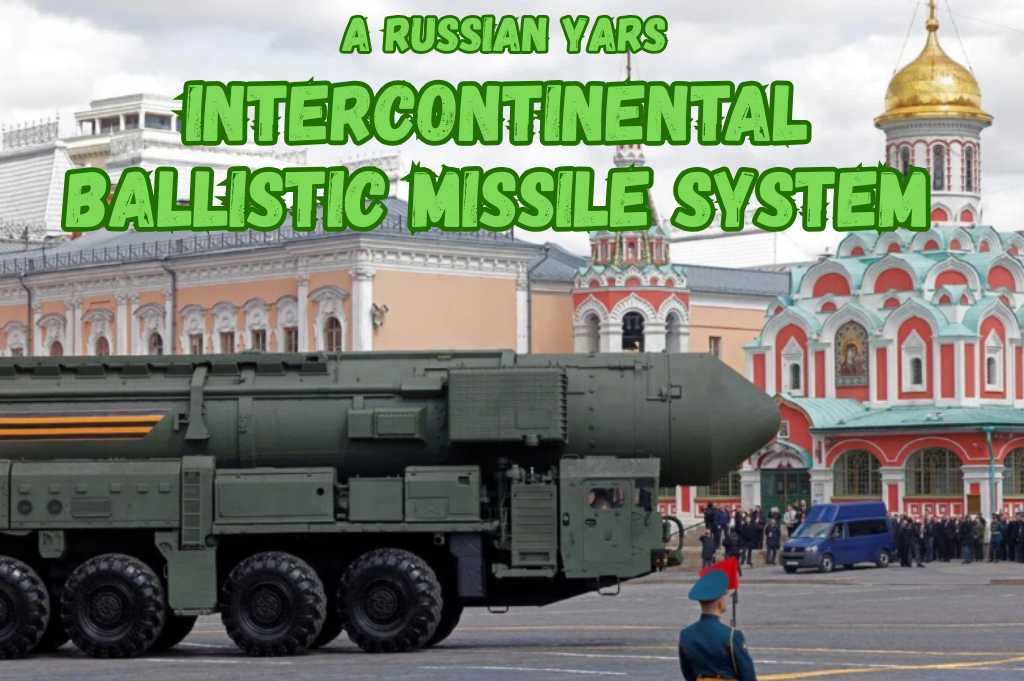
military parade in Moscow in May 2025 (Photo – Reuters)
Trump’s North Korea diplomacy, claimed his opponents, was more spectacle than substance. The summits dismantled diplomatic barriers, but North Korea’s nuclear programme continued. On the other hand, supporters argue that Trump’s willingness to take part directly reduced tensions and opened already closed lines of communication.
From a broader perspective, Trump’s position on North Korea showed his preference toward bilateral negotiations rather than multilateral negotiations. In circumstances where once traditional diplomacy had failed, he thought that direct interaction and personal rapport might lead to breakthroughs. However, the lack of legally binding agreements exposed this strategy’s weaknesses. Trump’s diplomacy with North Korea has left a mixed legacy: its symbolism is significant, but its results are uncertain.
The INF Treaty Withdrawal
U.S. President Ronald Reagan and Soviet leader Mikhail Gorbachev signed the historic Intermediate-Range Nuclear Forces (INF) Treaty in 1987. An entire class of conventional and nuclear ground-launched ballistic and cruise missiles with a range of 500–5,500 kilometres was withdrawn. The treaty was considered the foundation of European security for a long time, reducing the possibility of nuclear confrontation both during and after the Cold War.
However, the administration of Donald Trump questioned the INF Treaty’s validity in the present day. Trump declared the United States’ exit in 2019, citing recurrent violations by Russia. Washington said that Moscow had violated treaty terms by developing and deploying the 9M729 missile system. Trump defended the move by saying that it was necessary to protect American defence capabilities and to deal with enemies who violated their commitments. He also emphasised the strategic imbalance caused by China’s unconstrained development of intermediate-range missiles, as it is not a party to the treaty.
The departures sparked a heated debate. Trump’s supporters said that the INF Treaty was out of date and prejudiced. They said that as China and Russia increased their arsenals, the United States’ military choices became limited because it continued to be bound by the accord. However, opponents warned that breaking the deal could trigger a new arms race, particularly in Europe and Asia. NATO counterparts expressed concern that decades of progress in weapons control might be lost and that regional security could become unstable if the INF framework collapsed.
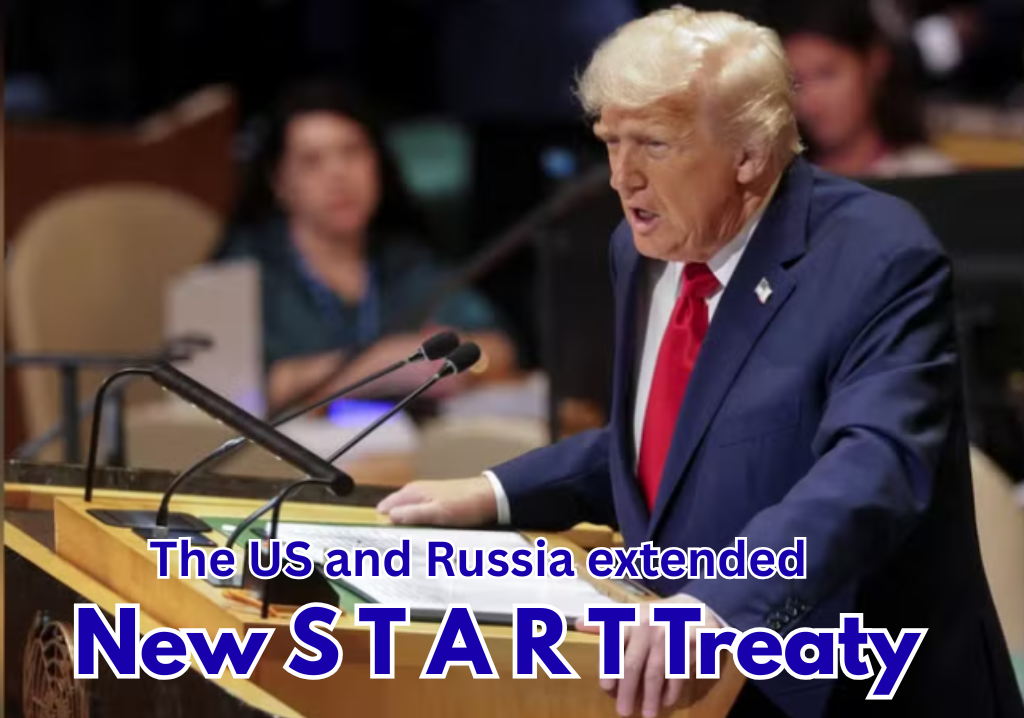
In a wider logical sense, Trump’s INF decision showed his mistrust of multilateral agreements. He thought that if enemies violated accords, U.S. authority would not constrain him. This unilateral strategy supported his broader nuclear strategy, which prioritised bilateral influence and national defence over collective frameworks. However, the long-term effects are still unknown. The pullout increased tensions with Russia and raised concerns about rising competition in missile technology, even as it allowed the United States to build new missile systems.
In the end, one of Trump’s most significant choices regarding weapons control during his presidency was his withdrawal from the INF Treaty. It indicated his willingness to question accepted established conventions, but it also made the future of worldwide arms control more uncertain and unexpected.
Achievements of Trump’s Nuclear Policy
Despite his controversial approach, Donald Trump’s nuclear diplomacy resulted in several notable achievements. First, his decision to depart the Iran nuclear deal (JCPOA) made people aware of the deal’s alleged weaknesses throughout the world. Trump urged authorities around the world to reassess whether current treaties were sufficient to solve current security risks by raising focus on issues like sunset provisions, limited reach, and Iran’s local operations. This increased awareness of the need for stronger and comprehensive frameworks.
Second, Trump’s personal interaction with North Korea was a record. There had never been an event between a North Korean leader and an American president in office. Amid critiques for their lack of substance, these summits created lines of communication and dissolved decades of diplomatic hurdles. Supporters believe that the summit lowered tensions right away and showed that interaction was possible, even with rivals.
Third, Trump’s concerns about outdated agreements like the INF Treaty highlighted the importance of updating weapons control accords. His administration argued that the exclusion of China from the framework meant that agreements made during the Cold War no longer accurately reflected current geopolitical circumstances. Trump’s withdrawal was an attempt to release the U.S. defence plan from restrictions that adversaries were allegedly ignoring.
Finally, Trump’s nuclear strategy emphasised national sovereignty and leverage. In contrast to being constrained by international agreements, he thought that bilateral discussions allowed the United States to maximise its bargaining leverage. His followers found significance in this strategy, which they perceived as a bold display of American might.
In the end, Trump’s achievements were in altering the international nuclear debate rather than in obtaining legally binding treaties. He challenged assumptions, stimulated conversation, and stressed the need for new frameworks—leaving an unsettling legacy that still affects discussions about international security.
Failures of Trump’s Nuclear Policy
Trump’s nuclear diplomacy had significant setbacks despite these successes. His exit from the JCPOA, which increased tensions with Iran, was the most apparent. Tehran resumed enrichment activities beyond agreed-upon limitations as a result of the action, rather than reducing Iran’s nuclear ambitions. The maximum pressure campaign caused rifts in the international community and divided the United States from its European allies, who continued to stand by the treaty.
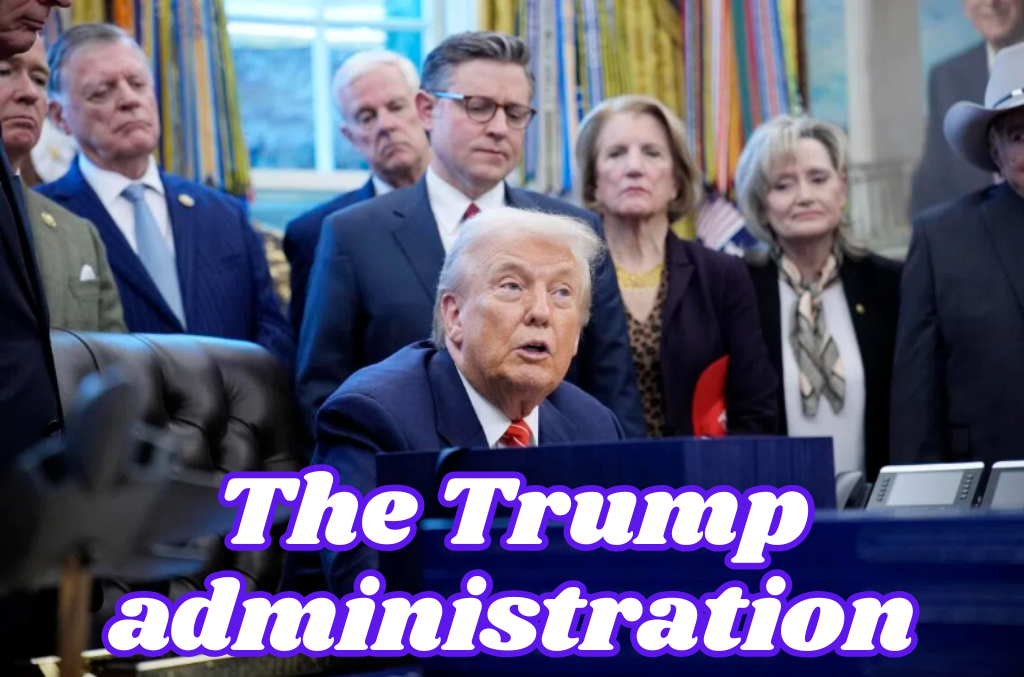
but Beijing has resisted the pressure
The lack of concrete results from North Korean summits was another setback. The meetings produced no enforceable agreements, despite their historic symbolic significance. North Korea maintained its arsenal and tested missiles as part of its ongoing nuclear programme. Trump’s reliance on his close ties with Kim Jong-un, according to his opponents, overestimated the difficulty of denuclearisation and granted Pyongyang international legitimacy without making any compromises.
Trump’s withdrawal from the INF Treaty also raised concerns. The decision eliminated a crucial arms control mechanism that had kept Europe stable for decades, even if it justified itself by claiming Russian violations. Opponents cautioned that breaking the deal could compromise decades of progress in nuclear disarmament by sparking a new nuclear weapons race.
Beyond specific treaties, Trump’s general mistrust of multilateralism weakened trust in American commitments. While enemies took advantage of the divisions, allies questioned Washington’s reliability. Future negotiations were more difficult as a result of this dissolution of trust since attendees wondered if conventions would last past one administration.
In the end, Trump’s failures show how unilateralism in nuclear diplomacy has its limitations. His courageous actions challenged the status quo, yet they often left the United States isolated and had little lasting impact. His nuclear legacy continues to provide ongoing problems, notably the absence of legally binding agreements, increased tensions with Iran, and weakened arms control organisations.
Global Reactions to Trump’s Nuclear Treaty Policy
Trump’s implicit mistrust of multilateralism damaged faith in US responsibilities beyond specific pacts. Allies questioned Washington’s reliability while enemies exploited the disparities. This division of trust made future talks more difficult since parties wondered whether conventions would last past one administration.
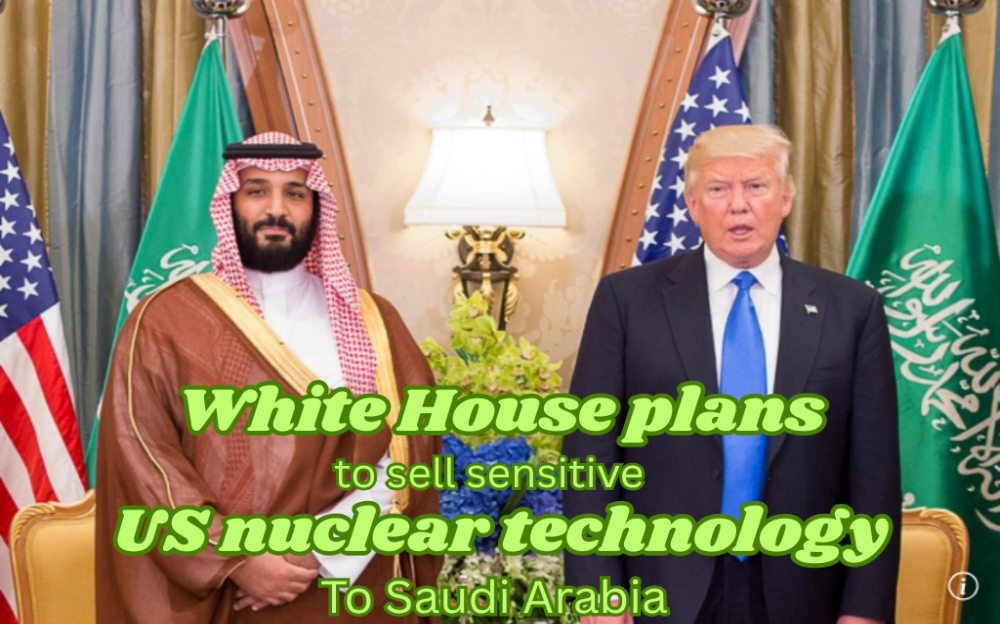
Europe
The most prominent critics of Trump’s withdrawal from the Iran nuclear deal were European countries. Viewing the JCPOA as the most efficient way to prevent Iran from getting nuclear weapons, countries like France, Germany, and the United Kingdom had committed considerable diplomatic efforts to its discussions. Trump’s unilateral departure damaged transatlantic unity and trust in U.S. commitments. With tools like INSTEX (Instrument in Support of Trade Exchanges), European leaders sought to save the acceptance, but the stress of more U.S. sanctions made it impossible.
Asia
In Asia, people had uneven perceptions. North Korea welcomed Trump’s direct contact, seeing it as an acknowledgement of the legitimacy of its regime. However, neighbouring powers such as South Korea and Japan expressed concern that Pyongyang’s nuclear programme would go unchecked because of the lack of concrete results. China, on the one hand, criticised Trump’s unilateralism, particularly his withdrawal from the INF Treaty, which Beijing said had damaged Asia-Pacific security. In addition, China viewed Trump’s maximum pressure campaign on Iran as a risk to the stability of regional energy and trade.
Russia
Russia blamed Washington for weakening an essential component of global weapon control and strongly condemned the United States’ withdrawal from the INF Treaty. Moscow denied violating the treaty and warned that a new arms race would arise from the agreement’s dissolution. Russian authorities argued that Trump’s decision raised tensions in Europe and endangered decades of nuclear disarmament progress.
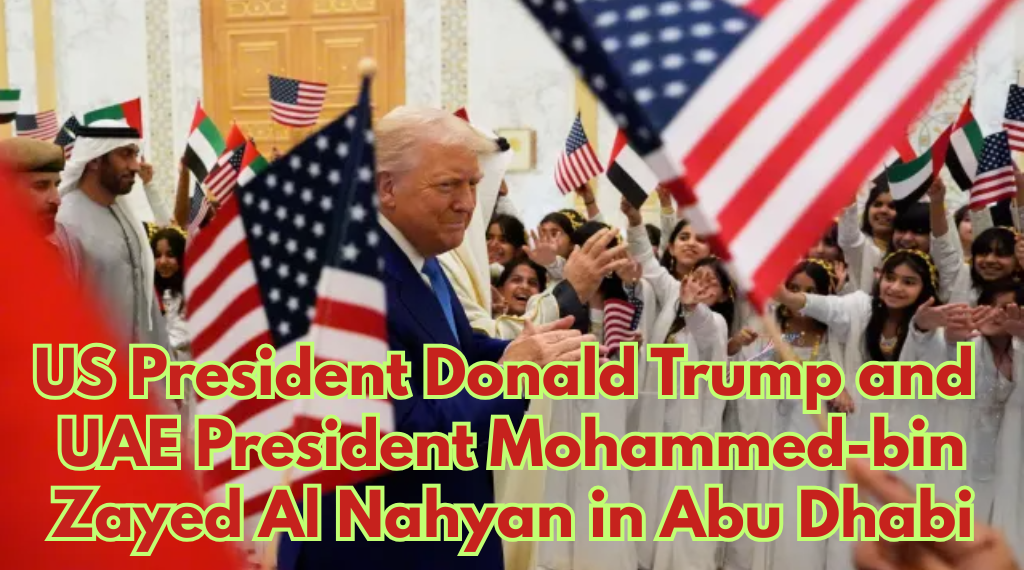
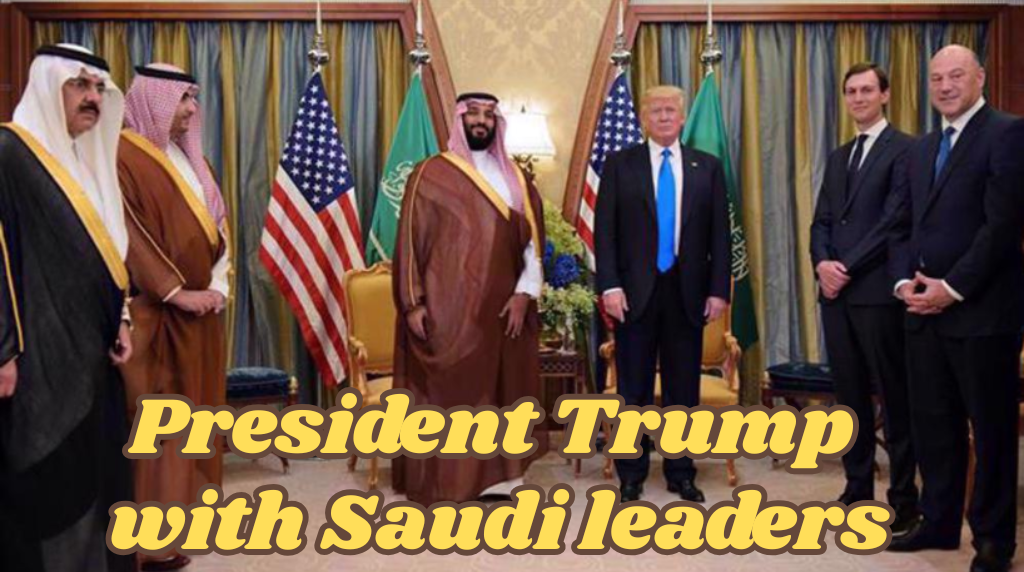
arrive at Qasr Al Watan, in Abu Dhabi (AP Photo Alex Brandon)
Middle East
Analysts broke down reactions throughout the Middle East. Iran blamed the United States for acting fraudulently and causing further instability in the area, condemning Trump’s sanctions and withdrawal from the JCPOA. From the other perspective, Israel, which views Iran as its greatest existential risk, welcomed Trump’s strong stance. Saudi Arabia and other Gulf nations supported Trump’s pressure campaign and stood with Washington against Tehran.
Overall Impact
Many observers viewed Trump’s nuclear treaty approach as an obstacle to multilateralism on a global level. Neutral states questioned the sustainability of arms control frameworks, adversaries exploited divisions, and allies expressed concern about U.S. reliability. The international response highlighted the controversial component of Trump’s strategy—bold and disruptive, but often distant and threatening.
Expanded Views: Trump’s Skepticism of Multilateralism
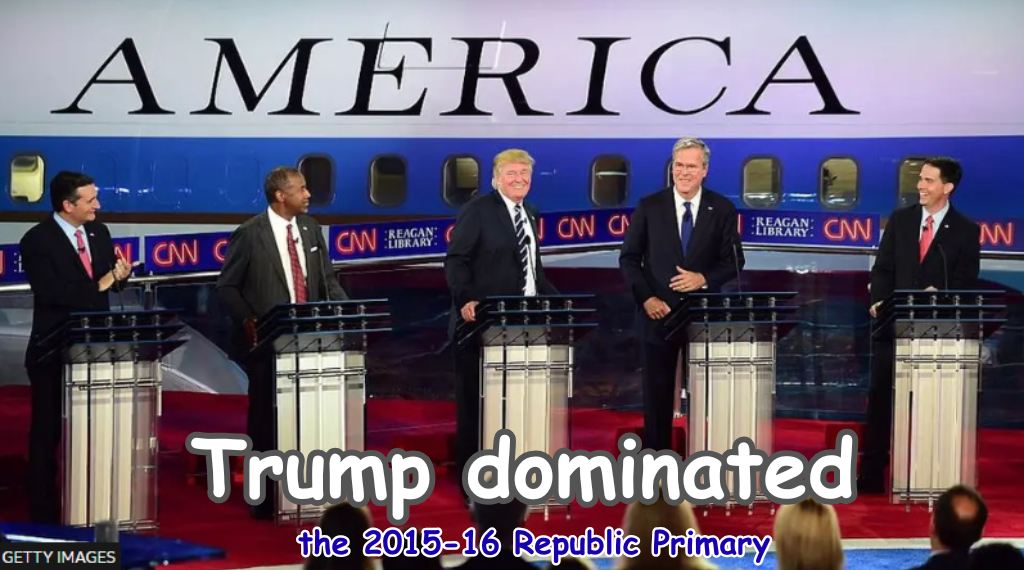
It is tough to fully understand Donald Trump‘s nuclear treaty policy in isolation; it is an expression of his larger scepticism towards multilateralism. Trump repeatedly questioned the worth of global organisations and accords during his presidency, claiming that they frequently limited American sovereignty while enabling rivals to take advantage of these loopholes. This philosophy influenced his approach to nuclear diplomacy, which prioritised direct leverage and bilateral talks above collective frameworks.
Trump’s withdrawal from the JCPOA and the INF Treaty illustrated this idea. He argued that the United States had a duty to uphold accords that other countries were breaking or disregarding in both situations. Trump aimed to liberate the American defence approach from what he perceived as outdated restrictions by withdrawing from the JCPOA and the INF Treaty. However, his opponents saw these actions as careless and cautioned that abandoning multilateral treaties would undo decades of progress in arms control and undermine trust in American promises.
Trump’s diplomacy with North Korea also showed the importance of bilateral negotiations. Trump thought that direct communication with Kim Jong-un could lead to progress instead of being based on multilateral talks including regional states. This strategy reflected his commercial background, which placed a strong emphasis on relationships and one-on-one talks. Considering the historic nature of the summits, the lack of legally binding agreements highlighted the limitations of bilateralism in addressing complex global challenges.
Trump’s mistrust of multilateralism raised long-term worries about the future of international security. His disruption, according to his supporters, forced the globe to confront difficult realities: outdated frameworks might not be able to handle current risks, and treaties are only effective if all parties obey. Unilateral withdrawals, according to critics, undermine alliances, isolate the United States, and make it more difficult to take united action against nuclear proliferation.
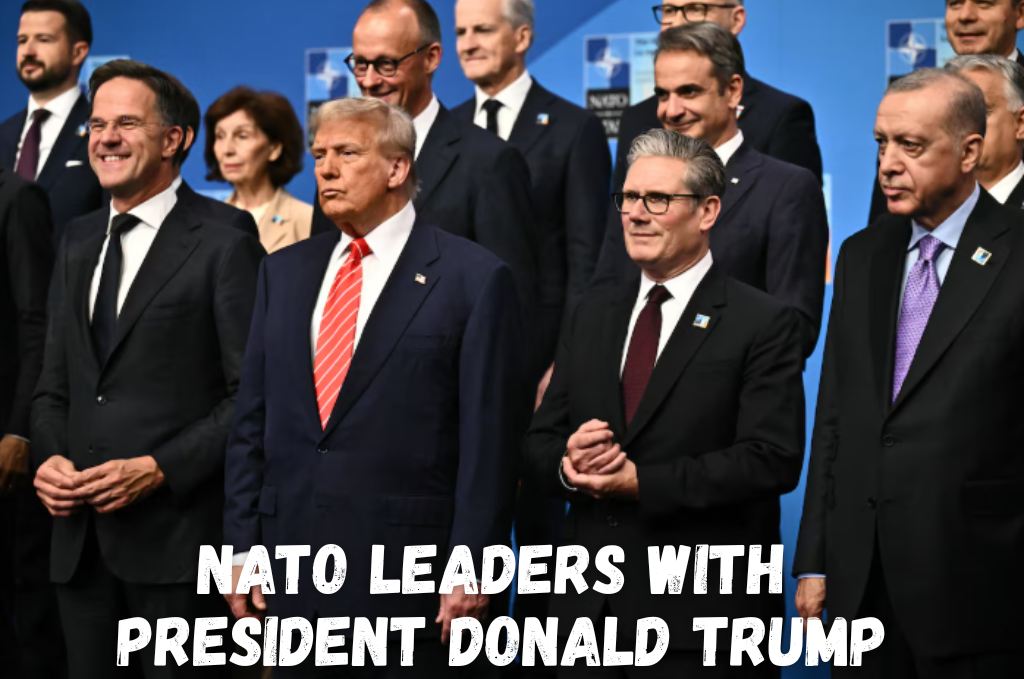
in The Hague, Netherlands
In the long run, Trump’s nuclear policy highlighted a conflict at the essence of international diplomacy: finding a balance between national sovereignty and multilateral collaboration. In the short run, his fondness for bilateral leverage might have increased U.S. bargaining power, but it also risked making allies uneasy and enemies more secure. One of the most unique features of Trump’s nuclear treaty legacy is his distrust of multilateralism, regardless of whether it is viewed as bold realism or dangerous isolationism.
Conclusion
One of the most sensitive features of Donald Trump’s presidency is still his nuclear treaty policy. His choices to leave the INF Treaty, withdraw from the Iran Nuclear Deal (JCPOA), and pursue direct diplomacy with North Korea were all consistent with his distrust of multilateralism and reliance on bilateral impact. These actions disrupted decades of long-standing diplomatic conventions, forcing allies as well as adversaries to re-evaluate the United States’ place in global nuclear governance.
On the one hand, Trump’s strategy achieved significant improvements. His readiness to have a face-to-face meeting with Kim Jong-un removed obstacles that had long seemed insurmountable. His critique of the INF Treaty and JCPOA brought to light legitimate issues with compliance, spaces, and the applicability of Cold War-era frameworks in the multipolar world of today. Supporters argue that Trump’s audacity exposed flaws in accords that were no longer appropriate and gave discussions about improving arms control a sense of urgency.
However, his nuclear diplomacy’s flaws are just as important. The Middle East became more unstable as a result of the JCPOA withdrawal, which also increased tensions with Iran and undermined trust among European allies. Despite being significant, the North Korea summits produced no legally binding agreements, leaving Pyongyang to pursue its nuclear development unchecked. The termination of the INF Treaty weakened decades of advancements in weapons control and sparked concerns of a new arms race, especially in Europe and Asia. Trump’s unilateralism, according to his critics, weakened relationships, isolated the United States, and hampered future discussions.
Reactions to Trump’s nuclear strategy around the world showed how controversial it is. Asia had opposing views, Russia denounced the breakdown of arms control mechanisms, Europe supported negotiations and opposed unilateral withdrawals, and the Middle East remained sharply split. These answers reflect the intricacy of nuclear diplomacy, where each choice impacts neighbouring areas and alliances.
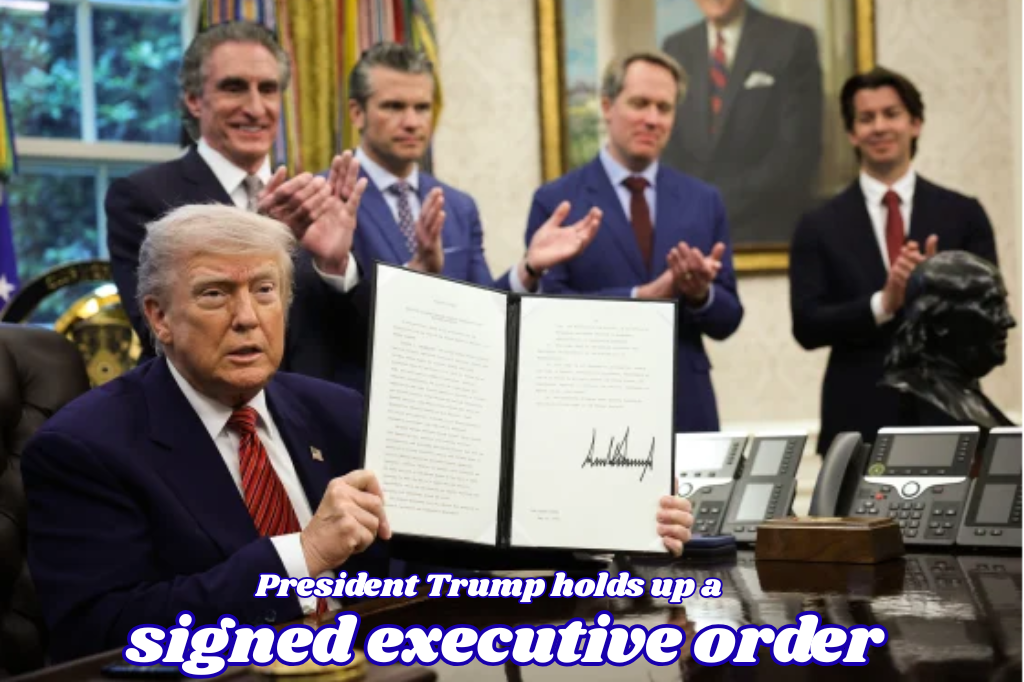
May 2025 (Photo – Getty Images)
Overall, it is fair to describe Trump’s nuclear deal legacy as disruptive but unclear. He made dialogue breakthroughs, questioned traditional diplomacy, and made the world face difficult truths. However, he was unable to achieve long-term agreements, making global security arrangements more unstable. Trump’s nuclear policy continues to influence discussions about the future of arms control and finding a balance between national sovereignty and global cooperation, whether it is viewed as bold realism or reckless isolationism.
Call to Action (CTA)
Recognising how measures made during his presidency continue to influence the current state of global security is essential to understanding Donald Trump’s nuclear treaty strategy. One of the most complex and significant aspects of international relations is nuclear diplomacy, and the discussions sparked by Trump’s approach are still relevant. Whether you support his emphasis on bilateral leverage or disagree with his scepticism of multilateralism, one thing is certain: the precedents set during his administration will have an impact on nuclear treaties and arms control in the future.
It is essential for readers to remain informed about these subjects. In addition to governments and military tactics, nuclear strategy has an impact on world peace, energy supplies, and financial stability. You may learn how world powers negotiate, compromise, and occasionally fight over issues of existential importance by keeping up with developments in treaties like the JCPOA, the INF Treaty, and the Non-Proliferation Treaty (NPT).
For in-depth analyses, expert remarks, and current updates on nuclear diplomacy, we invite you to subscribe to our blog. Share your views in the comments box. Understanding complex subjects requires debate and discussion. If you thought this article was informative, you might want to share it with friends, coworkers, or students who have an interest in global affairs. By working together, we may generate a community that promotes critical thinking and educated debate about international security.
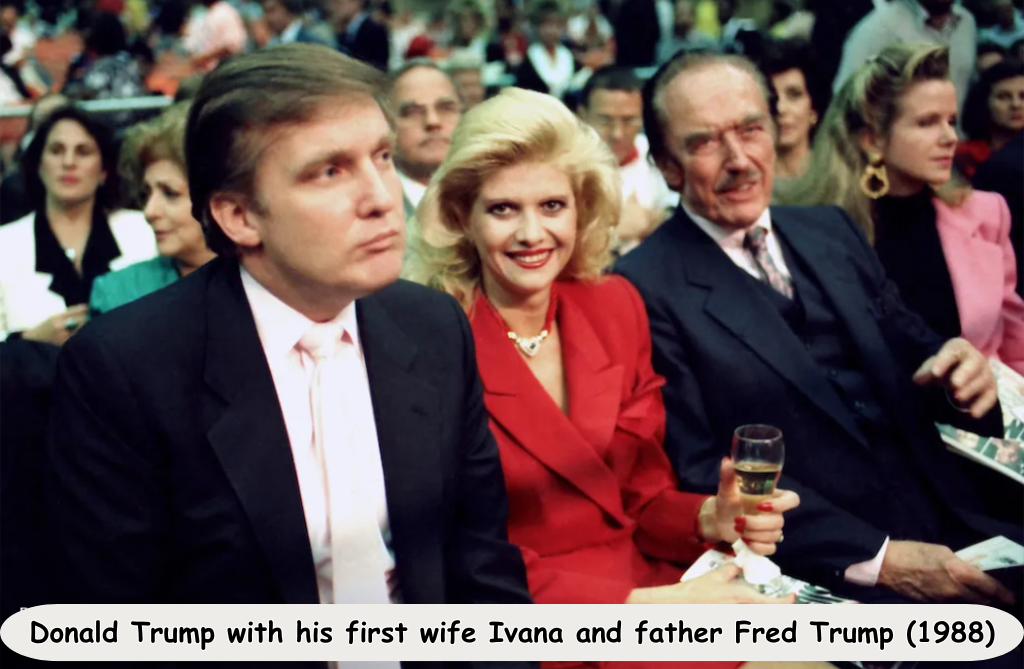
(Photo Zeffrey Asher via Getty Images)
Your voice matters. Contributing to these debates impacts how the public views nuclear strategy, irrespective of whether you support traditional diplomacy or Trump’s disruptive manner. Keep in touch, remain informed, and let’s continue looking at how international nuclear treaties are evolving.
Frequently Asked Questions (FAQs)
-
Q1: Why did Trump withdraw from the Iran nuclear deal (JCPOA)?
Trump felt the JCPOA was ineffective, particularly since it disregarded Iran’s regional impact and ballistic missile programme. He claimed that the contract was unsustainable due to its sunset clauses, which allowed Iran to resume nuclear activities in the future. His strategy of maximal pressure sought to compel Iran to engage in more complex discussions.
-
Q2: What were Trump’s achievements in nuclear diplomacy?
His most important achievement was overcoming decades of diplomatic obstacles by establishing direct contact with North Korea. Furthermore, he stressed the need for revised arms control frameworks and called attention to the flaws in current pacts, such as the JCPOA and INF Treaty.
-
Q3: How did global powers react to Trump’s nuclear policies?
Europe: Strongly opposed the JCPOA withdrawal, favouring diplomacy.
Russia: Condemned INF Treaty withdrawal, warning of a renewed arms race.
Asia: Mixed responses—North Korea welcomed dialogue, while China condemned U.S. unilateralism.
In the Middle East, Iran condemned the sanctions, whereas Israel backed Trump’s hardline approach. -
Q4: Did Trump achieve a treaty with North Korea?
No, despite the historic and symbolic significance of the summits, no legally binding agreements were reached, and North Korea continued to pursue its nuclear programme in spite of Trump’s efforts.
-
Q5: How does Trump’s nuclear policy affect global security today?
Trump’s position on the nuclear treaty caused alliances to change, tensions with Iran to rise, and confidence in multilateral agreements to go down. It made the need for new frameworks clear, but it also made international arms control more unstable. His technique’s legacy is still felt in debates about world security and nuclear diplomacy.
6 thoughts on “Donald Trump and the International Nuclear Treaty: A Comprehensive Analysis”