
A Fresh Start after Exams
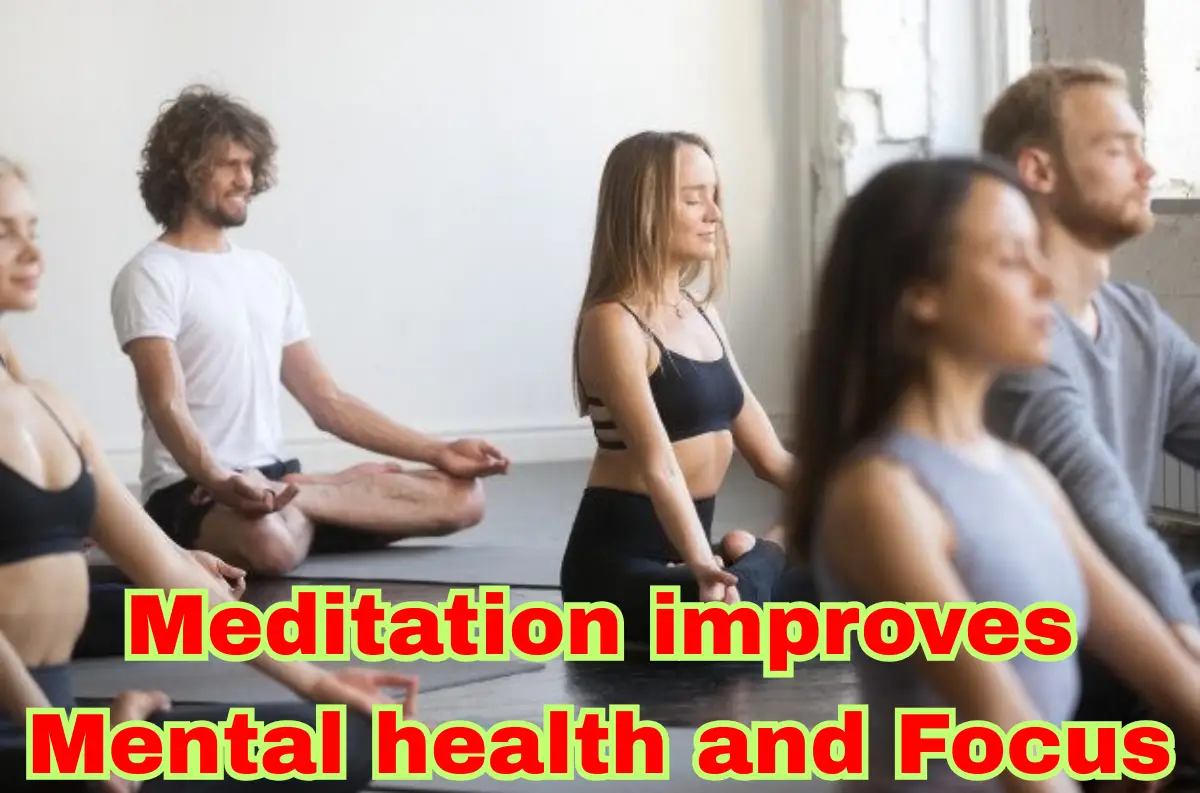
Meditation improves mental health and focus after the completion of the most stressful times of exams in the lives of youngsters. They can feel mental exhaustion caused by several weeks of studying, pressure to perform well, family expectations, and constant fear of the results. When exams finally end, many youngsters experience a sense of relief, but many also experience confusion, nervousness, or mental fatigue. Meditation can be an excellent instrument in such a situation.
Meditation improves mental health, which goes beyond just sitting quietly with your eyes closed; it’s about strengthening your relationship with yourself, calming your mind, and focusing your attention. Meditation helps young people slow down and regain mental clarity in the fast-paced, distracted digital world of today.
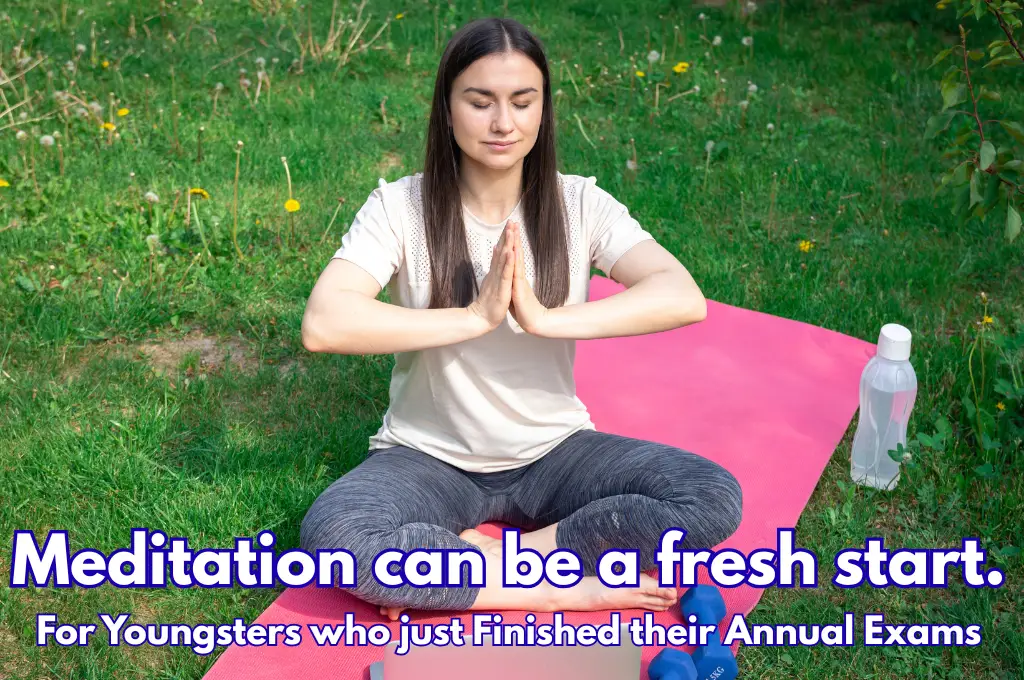
Regular meditation improves mental health, lowers anxiety, increases emotional balance, and improves concentration, based on both scientific studies and common sense. Students who just finished their annual exams may find that this period is perfect for establishing a fundamental meditation routine that strengthens the mind and makes them ready for the next chapter of life.
In addition to exploring how meditation improves mental health and focus, this blog post will provide 10 excellent meditation techniques that children can use to relax, recharge, and restore their inner strength after an exam.
Understanding Meditation and Mental Health
It’s important that you understand how meditation actually works before diving into the recommendations.
Focusing the mind and giving attention to the present moment is the practice of meditation. Breathing techniques, mindfulness, visualization, or simply passively observing concepts can all be components of it.
Our brains shift from a stressed state to a calm state of awareness when we meditate. This increases feelings of calmness and focus while lowering the stress hormone cortisol.
Meditation works as a mental detoxification for students who spend plenty of their time studying and are anxious concerning their results. It helps the mind relax naturally and clears emotional clutter.
Why Meditation Is Especially Helpful After Exams
Many students experience various kinds of emotions after an exam, such as calmness, excitement, uncertainty, and sometimes even prolonged anxiety. The mind may get tired and restless during weeks of intense study and pressure. This point is where meditation really is beneficial. It allows the mind to ease up, release the burden of tension, and regain concentration. Students may enhance their focus and mental well-being while gradually shifting from exam stress to a calmer, more balanced state of mind by practicing meditation.
By calming the nervous system and creating inner stability, meditation helps regulate all of these emotions.
Students may use meditation to recharge their minds and be prepared to face the next academic or life challenge instead of wasting the post-exam period scrolling on social media or worrying about their results.
Benefits of Meditation for Mental Health and Focus
- Reduces Stress and Anxiety: Stress reduction is one of the main benefits of meditation. Continuous meditation enables children’s muscles to relax and breathing to slow down. This promotes mental balance and lowers anxiety.
- Students who meditate for as little as 10 minutes a day express feeling more relaxed and in control of their thoughts.
- Improves Concentration and Memory: The brain learns to focus on one thing at a time during meditation. This boosts memory capacity and attention span.
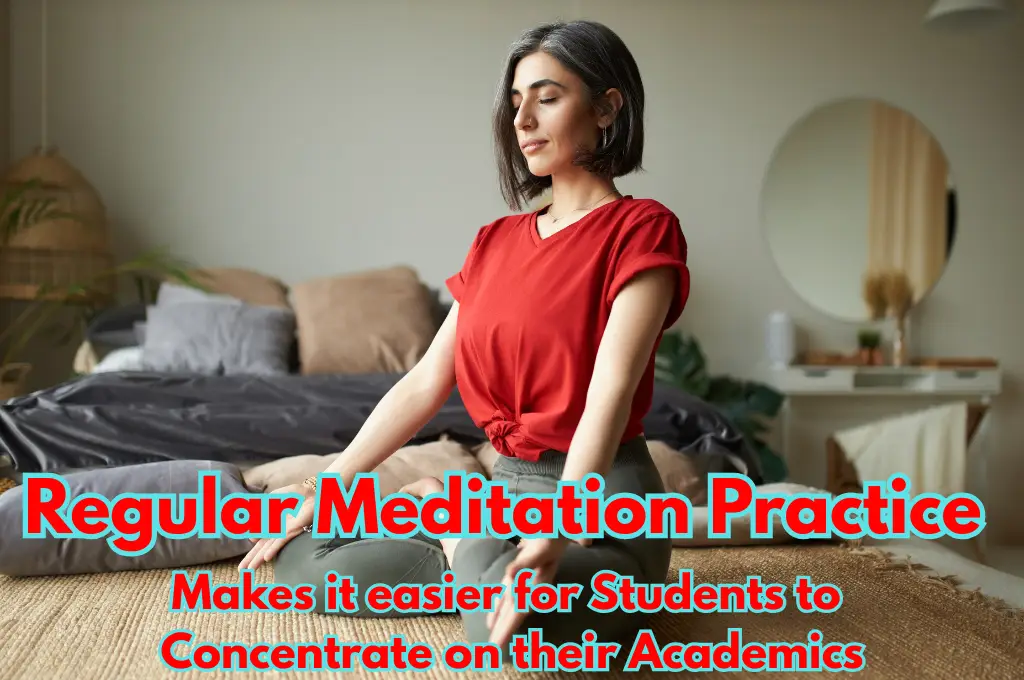
- Regular meditation practice makes it easier for students to concentrate on their academics, lectures, or creative activities.
- Enhances Emotional Stability: Emotional fluctuations are typical in young minds. Meditation nurtures emotional awareness and control.
- Students learn to observe their emotions carefully and respond intelligently instead of acting impulsively.
- Meditation boosts self-confidence by encouraging inner awareness and observation. Students gain improved awareness of their strengths and weaknesses as a result.
- This self-awareness ultimately promotes inner stability and confidence.
- Exam stress often disrupts sleep patterns, thereby improving the quality of students’ sleep. By relaxing the body and mind, meditation promotes deeper rest and easier sleep.
- Better sleep correlates with improved focus and mental health.
on their academics, lectures, or creative activities
10 Powerful Meditation Tips for Youngsters after Exams
Now let’s look at 10 simple but powerful meditation tips that students can start practicing right after finishing their exams.
1. Start with Just 5–10 Minutes a Day
It’s a common myth among beginners that meditation needs a long time. Just 5 to 10 minutes per day in the beginning. Close your eyes, sit quietly, and focus on your breathing.
Short sessions are easier to maintain and grow into a habit gradually.
2. Create a Peaceful Meditation Space
Select a tranquil and comfortable location that is unlikely to cause disruptions. This could include the following:
- A quiet corner of your room
- A balcony
- A garden or park
Your mind rests faster in a peaceful environment.
3. Focus on Your Breath
One of the simplest methods is breathing meditation. Close your eyes and remain focused on your breathing:
- Inhale slowly through your nose
- Exhale gently
Refocus your attention on breathing deeply whenever your ideas wander.
4. Practice Mindfulness in Daily Activities
Sitting quietly is not the only way to practice meditation. The practice of mindfulness can be conducted while:
- Walking
- Eating
- Listening to music
- Spending time in nature
Being fully present in the moment enhances mental focus.

5. Limit Digital Distractions
Many students overuse phones or social media for hours after exams. Mental restlessness rises from excessive screen time.
Consider setting aside “digital-free time” each day for relaxation or meditation.
6. Use Guided Meditation
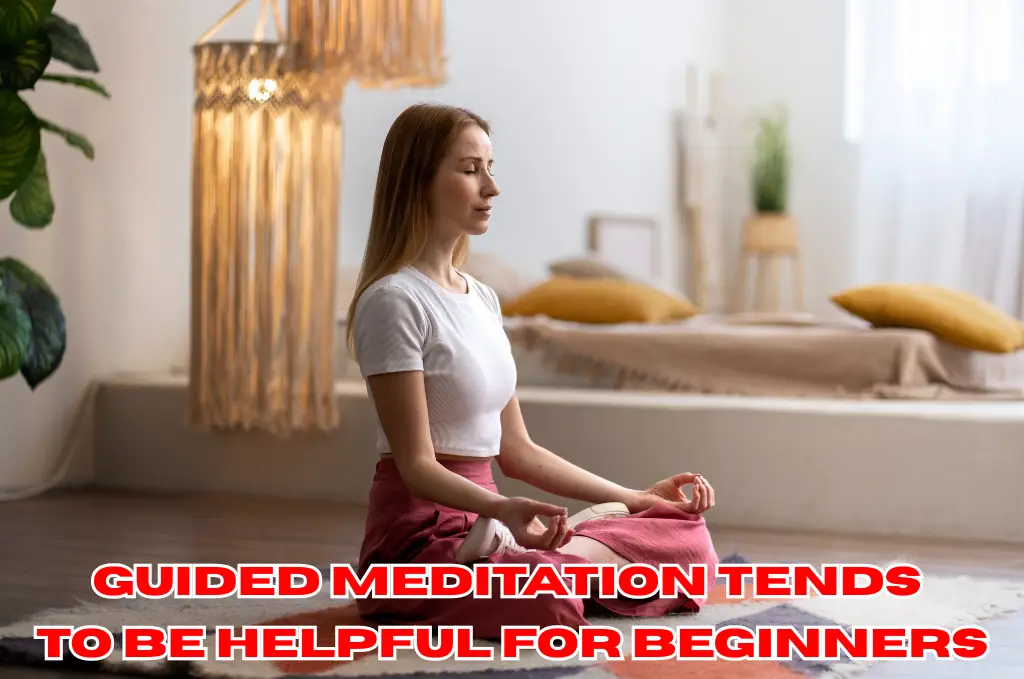
Guided meditation tends to be helpful for beginners. Meditation is easier to follow by simply listening to a calming voice that guides breathing or relaxation activities.
You may find a number of free online guided meditation exercises.
7. Practice Gratitude Meditation
Reflecting on the good things in your life is an aspect of gratitude meditation. Just a few minutes to think about:
- Your family
- Your friends
- Opportunities you have received
By doing this, you develop positivity and emotional fortitude.
a little moment time each day to sit quietly, focus on their own breath
8. Spend Time in Nature
The mind is naturally relaxed.
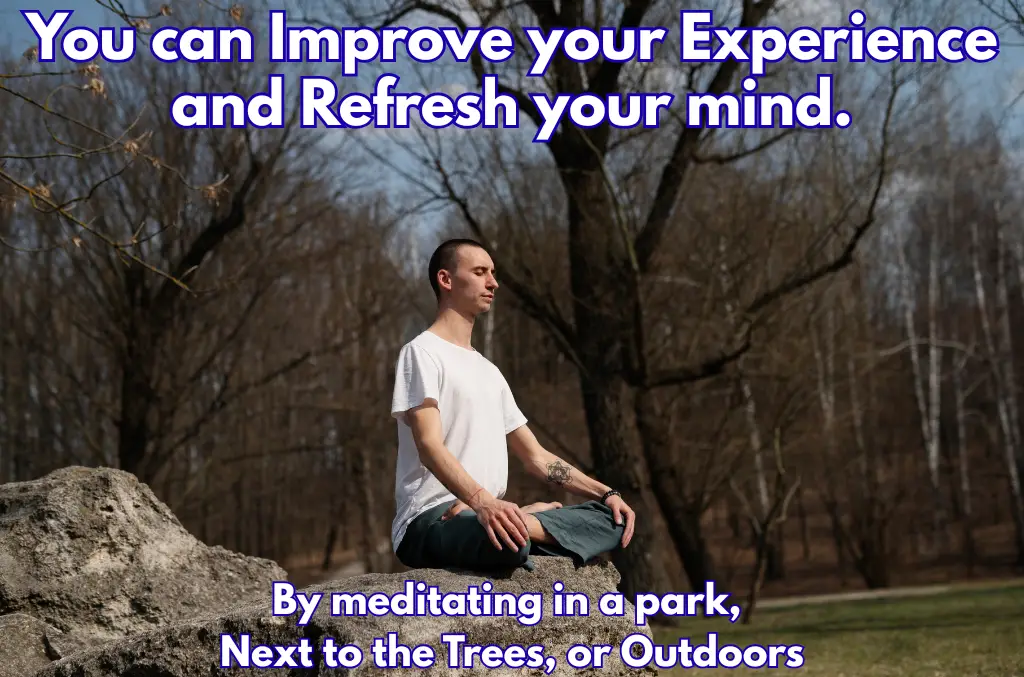
You can improve the experience and refresh the mind by meditating in a park, next to the trees, or outdoors.
9. Be Patient with Your Mind
Because their ideas are constantly divergent, beginners often experience discomfort. On the other hand, daydreaming is frequent.
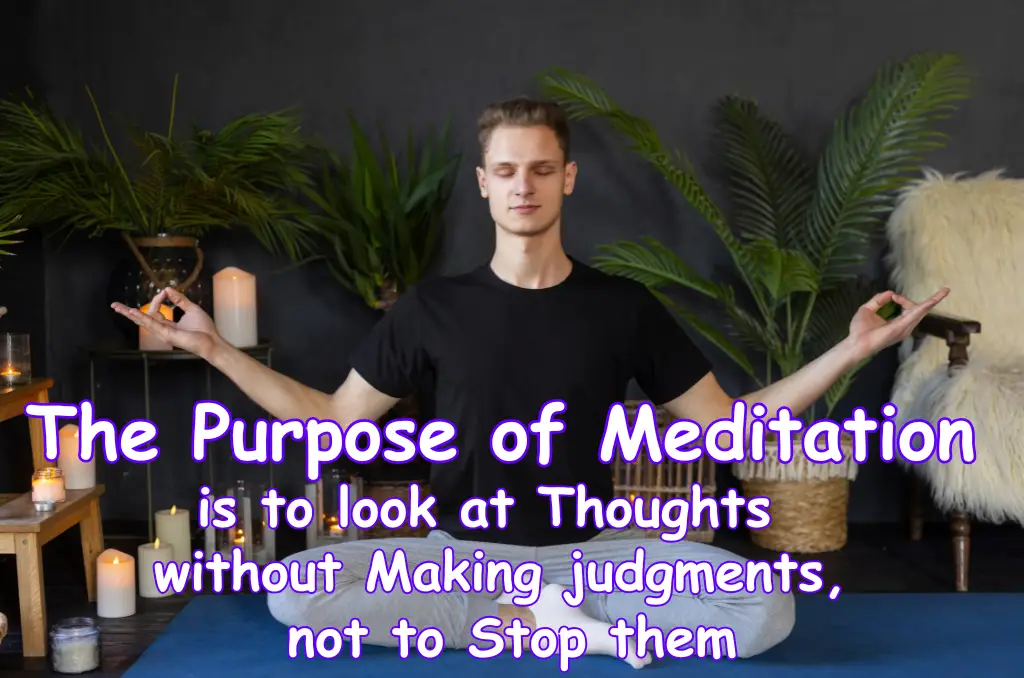
The purpose of meditation is to look at thoughts without making judgments, not to stop them.
Your mind gradually becomes more relaxed with practice.
10. Make Meditation a Daily Habit
The key to enjoying the real benefits of meditation is consistency. Try meditating every day at the same time:
- Early morning
- Before sleeping
- During a quiet afternoon break
Over time, even a few minutes daily can significantly boost your mental well-being.
The Science behind Meditation and Brain Health
What conventional meditation traditions have known for centuries has been confirmed by modern neuroscience. The brain’s structure and function may actually be modified by regular meditation.
The prefrontal cortex, the vicinity of the brain that is responsible for making rational choices, focusing, and managing emotional responses, is enhanced by meditation, based on research.
Furthermore, it decreases activity in the brain’s stress and anxiety region, known as the amygdala.
These changes explain why people who often meditate report feeling calmer, more focused, and emotionally balanced.
Why Young People Should Learn Meditation Early
Childhood practice of meditation offers long-term benefits.
The young people of today encounter numerous challenges, such as
- Academic pressure
- Social comparison
- Digital distractions
- Career uncertainty
They can navigate around these challenges with confidence and clarity as to the mental foundation that meditation provides.
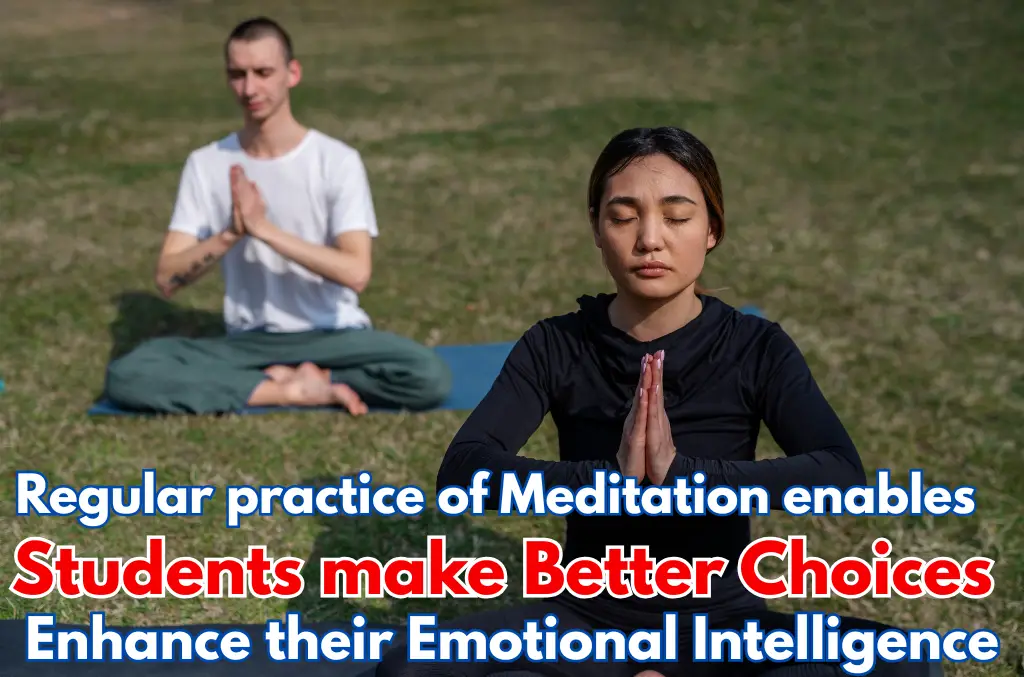
Regular practice of meditation enables students to make better choices, enhance their emotional intelligence, and take a more positive perspective on both success and failure.
Turning the Post-Exam Break into a Period of Self-Growth
Exam time is often considered a time for leisure activities or relaxation. Rest is important, but it can also be an opportunity for personal growth.
Students claiming meditation are able to:
- Reflect on their experiences
- Learn from their mistakes
- Reconnect with their goals
- Prepare for the next phase of life
They could use this time to strengthen their mental health and develop positive lifestyles instead of worrying about the result.
Conclusion: Calm Mind, Strong Future
Exams are merely a small aspect of life’s long journey. Your mental toughness, clarity of mind, and confidence in the face of challenges are what truly matter.
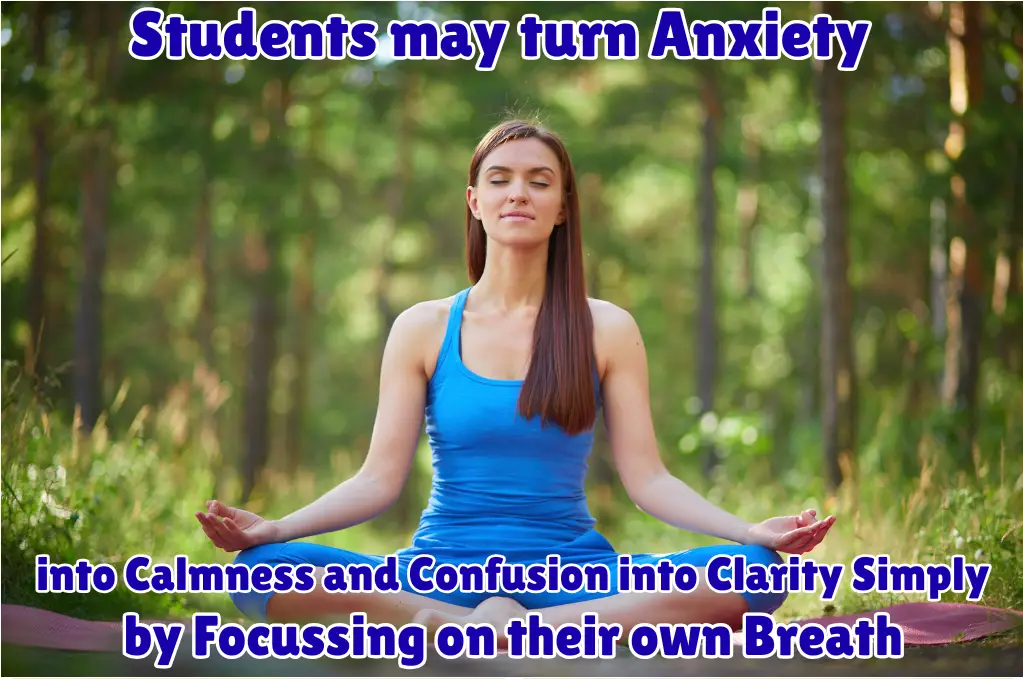
Young people can cultivate these inner traits in a simple yet efficient way through meditation. Students may turn anxiety into calmness and confusion into clarity simply by setting aside a little moment of time each day to sit quietly, focus on their breath, and re-establish connection with the present.
Meditation can be a fresh start for youngsters who just finished their annual exams—chances to relax, recharge, and rediscover their inner potential. It promotes emotional resilience, focus, and patience; all of that will help them in many aspects of life, beyond just academics.
Remember that the foundation of a bright future is peace of mind. Your thoughts are clearer, your decisions are more rational, and your actions have greater meaning when your mind is at peace.
So each day, take a deep breath, close your eyes for a moment, and allow meditation to guide you to a brighter future, more powerful focus, and a healthier mind.
Консультацию психолога https://психолог38.рф в Иркутске можно получить в центре Психолог38. Здесь работают высококвалифицированные специалисты: детские психологи, клинические, семейные и индивидуальные. Мы собрали профессионалов разных направлений, чтобы комплексно подходить к решению запросов клиентов. Бережно, деликатно, с научным подходом. Сложные ситуации в нашей жизни встречаются не редко, и своевременная помощь, поддержка очень важна. Находясь среди людей, легко можно оказаться в одиночестве, один на один со своими проблемами. Если вы ищите лучших психологов, которые реально помогают людям, обратите внимание на нашу организацию.
Консультацию психолога https://психолог38.рф в Иркутске можно получить в центре Психолог38. Здесь работают высококвалифицированные специалисты: детские психологи, клинические, семейные и индивидуальные. Мы собрали профессионалов разных направлений, чтобы комплексно подходить к решению запросов клиентов. Бережно, деликатно, с научным подходом. Сложные ситуации в нашей жизни встречаются не редко, и своевременная помощь, поддержка очень важна. Находясь среди людей, легко можно оказаться в одиночестве, один на один со своими проблемами. Если вы ищите лучших психологов, которые реально помогают людям, обратите внимание на нашу организацию.
Консультацию психолога https://психолог38.рф в Иркутске можно получить в центре Психолог38. Здесь работают высококвалифицированные специалисты: детские психологи, клинические, семейные и индивидуальные. Мы собрали профессионалов разных направлений, чтобы комплексно подходить к решению запросов клиентов. Бережно, деликатно, с научным подходом. Сложные ситуации в нашей жизни встречаются не редко, и своевременная помощь, поддержка очень важна. Находясь среди людей, легко можно оказаться в одиночестве, один на один со своими проблемами. Если вы ищите лучших психологов, которые реально помогают людям, обратите внимание на нашу организацию.
Консультацию психолога https://психолог38.рф в Иркутске можно получить в центре Психолог38. Здесь работают высококвалифицированные специалисты: детские психологи, клинические, семейные и индивидуальные. Мы собрали профессионалов разных направлений, чтобы комплексно подходить к решению запросов клиентов. Бережно, деликатно, с научным подходом. Сложные ситуации в нашей жизни встречаются не редко, и своевременная помощь, поддержка очень важна. Находясь среди людей, легко можно оказаться в одиночестве, один на один со своими проблемами. Если вы ищите лучших психологов, которые реально помогают людям, обратите внимание на нашу организацию.