
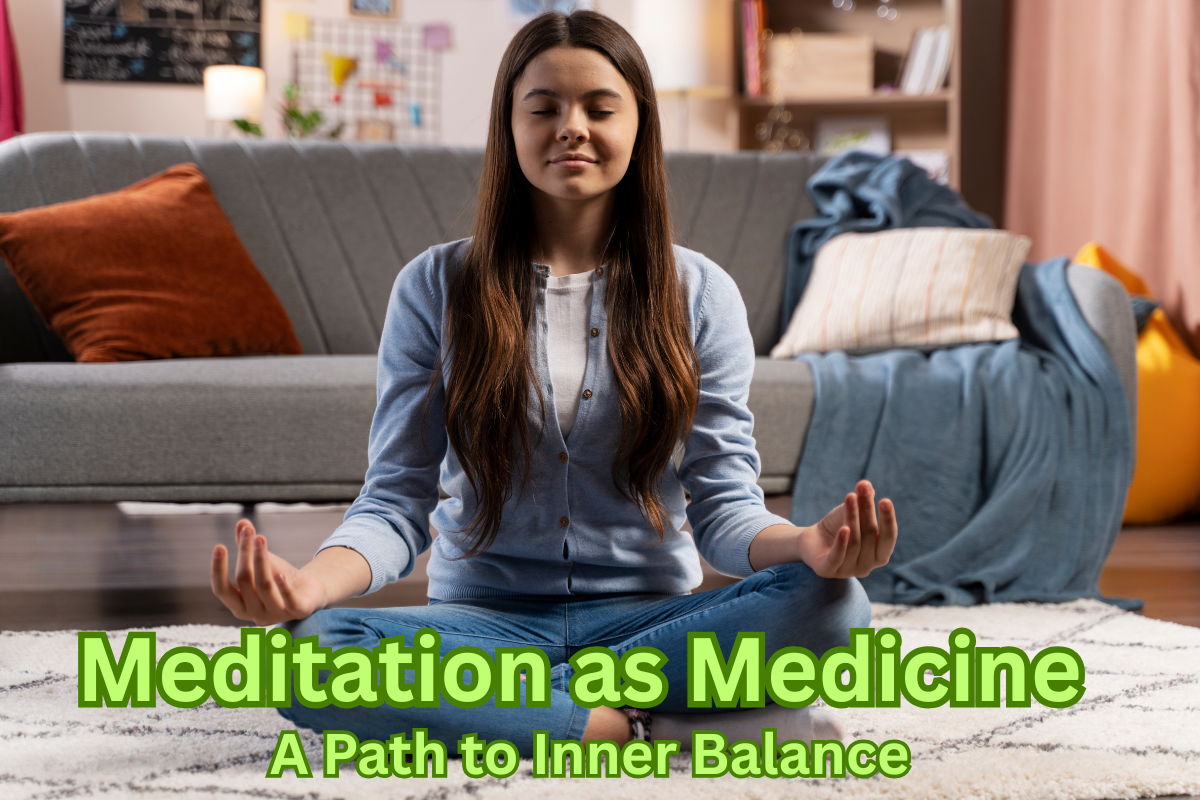
Meditation as medicine is more than true health even in the absence of disease—it is the presence of balance in today’s stressful lifestyle, as fitness routines, medical reports, or physical strength are often utilized to assess one’s health. Balance between the external world and the inner self, between ambition and peace, and between the body and the mind. One of the most efficient medications we can turn to is meditation, which is occasionally construed as a spiritual luxury. It is completely free, does not require a prescription, and heals us in ways that the modern science of meditation as medicine is simply beginning to understand.
Many young people struggle with chronic mental fatigue without realizing it due to constant stress and digital noise. One of the most effective ways to stop and restore a connection with the present is through meditation. Instead of running away from life’s obstacles, it gives us the tools to confront them with confidence and calm. These days, meditation as medicine is acknowledged as a crucial practical strategy for preserving lasting mental and emotional health.
This blog explores meditation for attaining inner peace and as a form of medicine. We will look at the impact of meditation as medicine on mental clarity, emotional stability, physical health, and spiritual growth. Along the way, I’ll provide clear examples of meditation as medicine and tips that anyone can apply, specifically young individuals approaching new phases of life after exams.
1. What Does “Meditation as Medicine” Mean?
While meditation as medicine plays a major role in modern health, true healing deals with the mind. Stress, anxiety, and fatigue are examples of today’s problems that have mental roots. By restoring inner peace and enabling the mind and body to work in healthy, efficient accord, meditation promotes a better relationship with our feelings and thoughts. Compared to drugs, meditation is efficient because it;
- Reduces cortisol and various other stress hormones.
- Relaxes the nervous system and improves immunity.
- By encouraging the mind to act rather than react, one can achieve a balance in emotions.
- Enhances focus by sharpening attention and memory.
Contrary to standard medical care, meditation treats the root cause of psychological imbalance instead of symptoms alone. Consequently, meditation is popular with people from all backgrounds. It greatly improves a healthy lifestyle but is not a medical substitute. Even a short daily exercise helps develop mental strength, emotional intelligence, and resilience to face challenges in life.
2. The Science behind Meditation
Modern research confirms meditation as medicine, which experts knew centuries ago. Despite its spiritual roots, modern science now supports meditation. Researchers and neuroscientists attest that it causes positive physiological and psychological changes, reducing stress and improving focus. It is currently acknowledged as an essential tool for mental, emotional, and physical well-being, but it was once an ancient practice. Research shows that persistent meditation:
- Lowers blood pressure.
- Improves sleep quality.
- Reduces anxiety and depression.
- Increases grey matter in the brain (linked to learning and memory).
Think of the brain as a computer. Stress slows issues down, similar to having too many tabs open at once. The “refresh button” that closes irrelevant tabs and promotes speed is meditation as medicine. These results indicate that meditation actually helps natural healing, going beyond simple relaxation. It regulates the nervous system and improves brain function by controlling the stress reaction. It is impossible to overlook the long-term health benefits of meditation for kids and young people because it enhances emotional control, improves focus, and reduces exam stress.
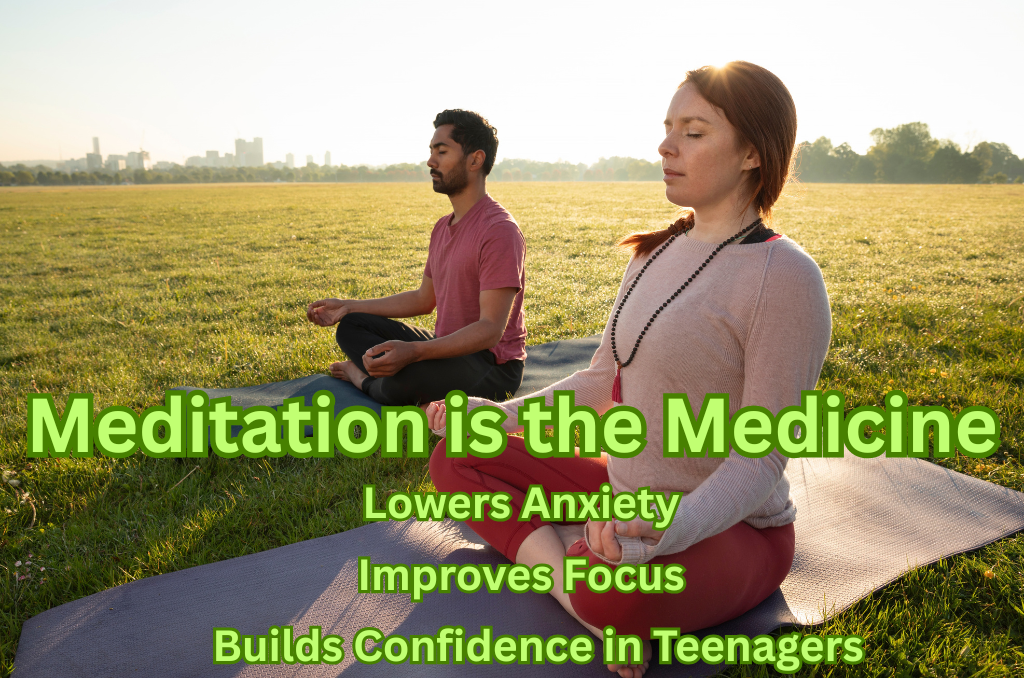
in teenagers leaving examination halls
3. Meditation and Physical Health
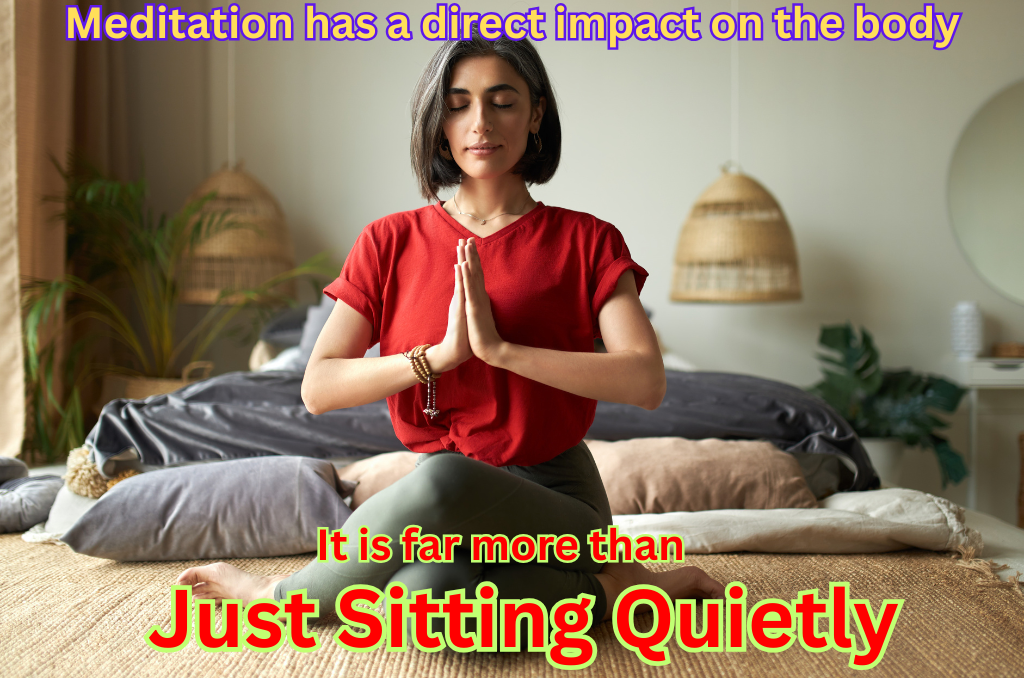
Meditation has a direct impact on the body and is far more than just sitting quietly. While many see meditation as only mental, it offers physical advantages. Physical signs of stress, anxiety, and fatigue include headaches, sleepless nights, and weakened immunity. Meditation restores system balance by breaking this cycle and encouraging relaxation, which improves both general physical health and vitality and emotional well-being.
- Heart Health: By calming the mind, meditation reduces strain on the heart.
- Immune System: Immunity is harmed by stress. Meditation enhances the body’s resilience against illness.
- Pain Management: When they take part in mindfulness meditation, patients with chronic pain often report feeling reduced pain.
These health advantages show the value of meditation as medicine for leading a healthy lifestyle. In contrast to short-term adhesive options, it promotes long-term wellness by fighting chronic stress. Daily mindful practice sustains energy, increases resilience, and develops both a calmer mind and a stronger body for young people balancing stressful lives.
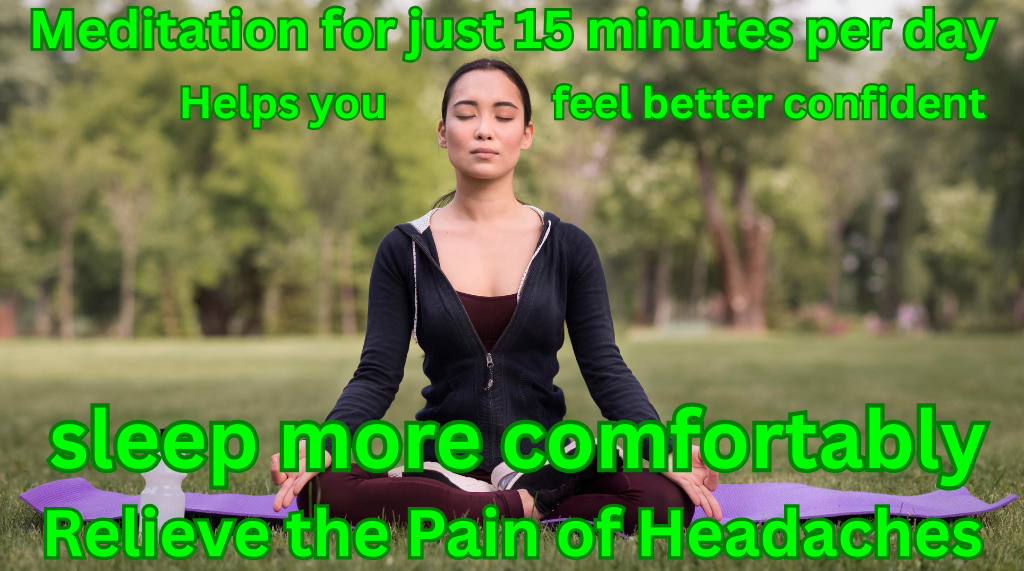
Example: Imagine a student preparing himself for an exam. Worry, junk food, and sleeplessness weaken the body. Meditation for just 15 minutes per day may help you feel more confident, sleep more comfortably, and even relieve the pain of headaches.
4. Meditation and Mental Health
Mental health is just as important as physical health. Academic, social, and economic pressures in modern society are contributing to an increase in mental health issues among young people. Invisible stress frequently diminishes concentration and confidence. To achieve emotional balance, efficiently manage stress, and create a better outlook on life, meditation as medicine is a useful remedy. The beneficial effects of meditation include:
- Improving concentration: Essential for students and professionals.
- Reducing anxiety: By teaching the mind to stay in the present.
- Boosting creativity: A calm mind is fertile ground for new ideas.
In light of these benefits for mental health, meditation is a useful practice for achieving well-being and clarity. It increases self-control, resilience, and confidence by teaching us to observe negative thoughts calmly. Daily practice gives students and young professionals a trustworthy means to manage life’s challenges with emotional stability and focus.
Example: Within a week, meditation helps artists release their creativity by clearing their minds. In a similar vein, anxious pupils acquire the focus, composure, and clarity necessary to effectively overcome academic challenges.
5. Meditation and Emotional Balance
The emotional highs and lows of youth include self-doubt and academic pressure. These feelings have the capacity to overwhelm us if left unchecked. By creating a healthy space between emotion and reaction, meditation helps young people develop emotional maturity and inner stability, enabling them to manage life’s challenges with more calmness and self-awareness.
- Instead of reacting instantly, you learn to pause.
- Instead of being controlled by emotions, you observe them.
- Instead of drowning in negativity, you rise above it.
Once-overwhelming challenges become manageable as emotional balance improves. While meditation does not solve problems, it does provide the clarity and fortitude needed to deal with them intelligently. This emotional resilience improves relationships, increases self-esteem, and creates a lasting feeling of inner calm and well-being for young people.
Example: The greatest gift of meditation is the ability to distinguish self-worth from transient results. It teaches young people that work and character, not short-term setbacks, are what make them valuable by fostering self-compassion and patience.
6. Meditation and Spiritual Growth
Meditation provides accessibility to deeper levels of self-awareness as well as to its practical health benefits. In addition to its mental and physical advantages, meditation promotes spiritual and personal development. Finding your core values and gaining a deep awareness of yourself are fundamental elements of spirituality. In a society when comparison and outside approval are the norm, meditation provides a time to reflect on what really counts and develop profound relationships with both others and yourself.
- It connects us with our inner selves.
- It helps us see life beyond material success.
- It cultivates compassion and empathy.
Gratitude and contentment increase with spiritual knowledge. People make better decisions when they align with their inner values and are less dependent on approval from others. Meditation helps young people make important life decisions by promoting self-respect, real living, and a broad way to define success.
“This doesn’t mean giving up on the world. It means living a healthy, transparent, and caring lifestyle.”
Example: A young professional who is after approval, promotions, or grades may succeed in their goals but feel unfulfilled. They can pursue goals while being grounded, appreciative, and emotionally balanced because meditation reveals that true success includes peace of mind, growth, and meaningful connections.
7. Simple Meditation Practices for Beginners
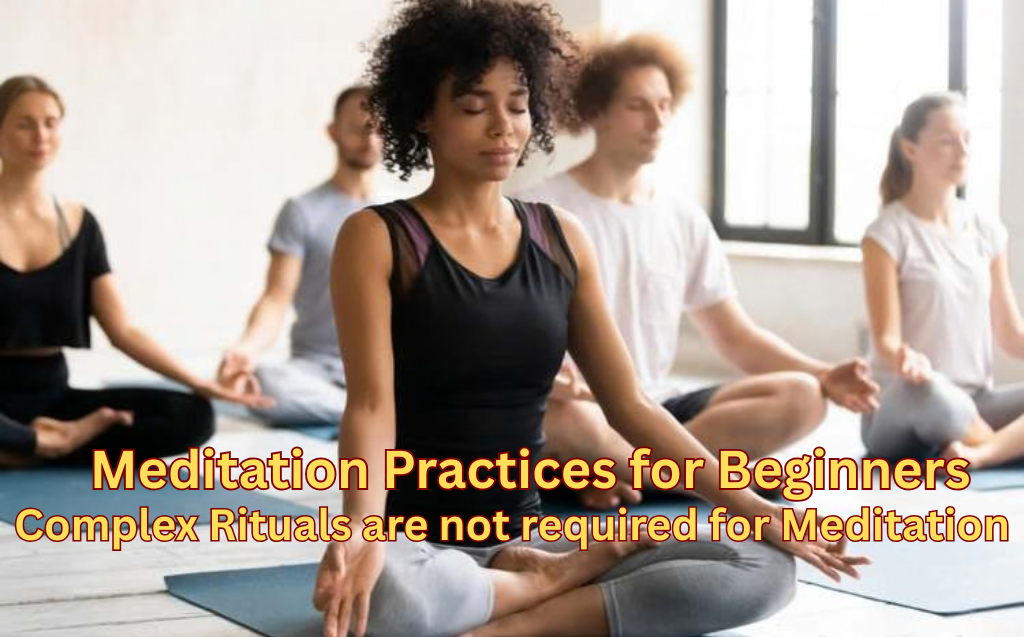
Complex rituals are not required for meditation as medicine. Here are a few basic methods:
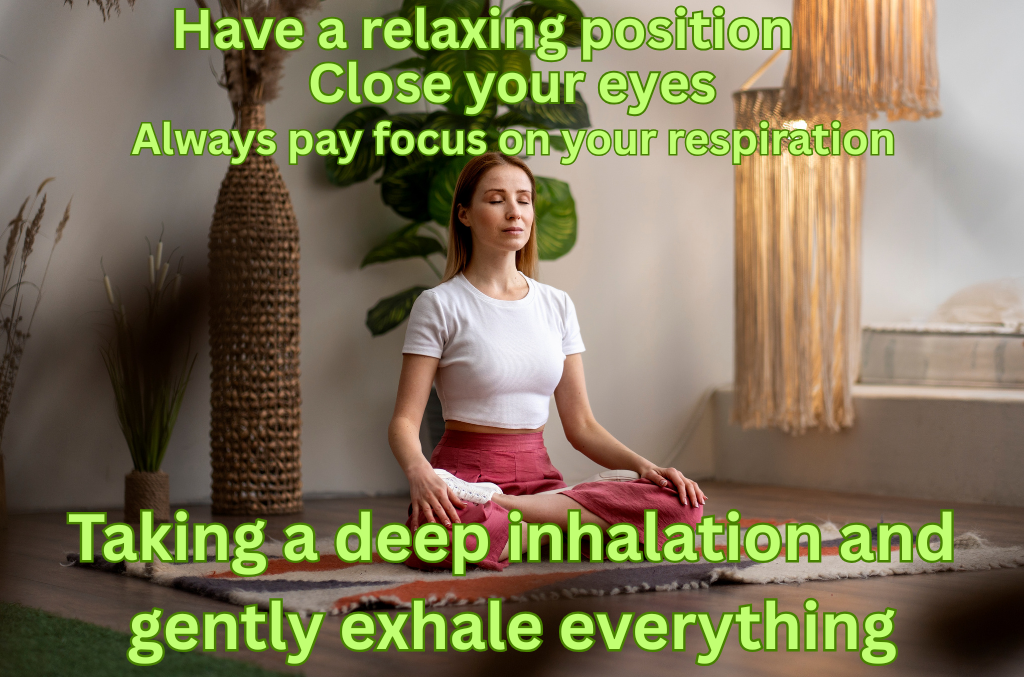
- Breath Awareness: Have a relaxing position. Close your eyes. Always pay attention to your breathing. Take a deep inhalation, and gently exhale everything. Spending 10 minutes trying this exercise.
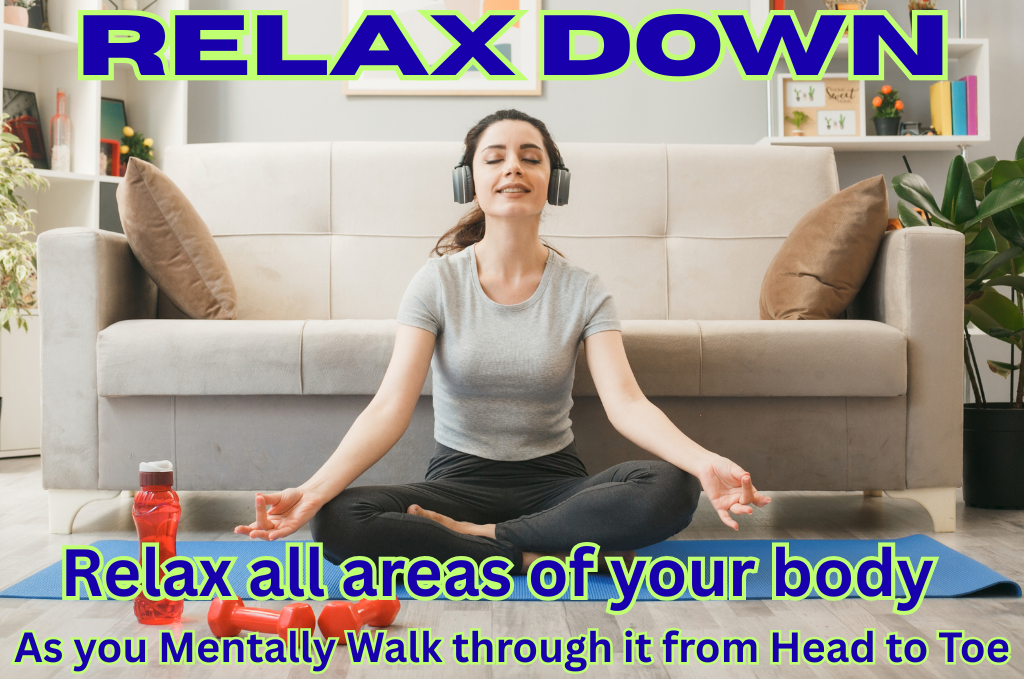
- Body Scan: Relax down. Relax all areas of your body as you mentally walk through it from head to toe.
- Mindful Walking: Walk slowly, paying attention to each step and the sensation of movement.
- Gratitude Meditation: Describe three things for which you are grateful. Feel the warmth of gratitude in your heart.
8. Meditation in Daily Life
You are not required to have a mat or cushion for meditation as medicine. Regardless of what many people assume, meditation doesn’t require any special equipment, quiet spaces, or prolonged periods of time. Its objective is to bring calm to responsibilities rather than avoid them. Small everyday moments of mindfulness transform routine activities into chances for focused attention, relaxation, and personal development—whether studying, working, or traveling. You can practice it anywhere:
- While waiting in line, focus on your breath.
- Before sleeping, spend two minutes in silence.
- During stressful moments, pause and observe your thoughts.
These simple exercises show that meditation can happen outside of scheduled sessions. You can prevent stress from building by incorporating daily mindfulness into ordinary activities. These minor routines eventually foster lasting changes in mood, focus, emotional health, and general quality of life.
Example: Instead of constantly scanning around social media, a student can meditate when expecting exam results. This boosts patience and lowers anxiety.
sleep more comfortably, and even relieve the pain of headaches
This simple change turns doubt into patience. Mindful breathing eases tension and regains perspective for students or job searchers who are confronting expectations. Even if we have little control over external events, meditation gives us the ability to decide how to respond, which promotes calmness in the face of uncertainty.
Young people often experience new stress due to peer comparison, uncertainty, and post-exam expectation. By reducing overthinking and soothing anxious thoughts, meditation provides essential emotional support. It helps students develop inner stability so they can face any outcome with confidence by reminding them that their worth goes above grades.
These benefits endure a lifetime. Meditation nurtures the mental toughness needed to manage stress, overcome obstacles, and focus on development and self-improvement for long-term success and well-being.
9. Meditation for Youngsters after Exams
Exams are stressful. Even more stressful results are possible. Young adults often equate their identity with grades, failing to understand that life is much more than mere numbers. Children may gain advantages from meditation as a form of medicine:
- Release exam stress.
- Build confidence beyond marks.
- Develop resilience for future challenges.
Message for Youngsters:
Exams evaluate performance on a single day instead of your character, intelligence, or potential for the future. There are many opportunities in life to grow and succeed in ways that go well beyond grades.
Use your results as lessons, no matter whether they are up to pace or not. Regardless of outside factors, daily meditation reduces stress, calms self-doubt, and boosts confidence.
The habits you develop after an exam shape your future more than your grades do. Resilience, self-awareness, and focus—qualities that support your relationships, career, and personal growth—are the qualities developed by meditation.
10. Practical Tips to Stay Consistent
It’s simple to start a meditation, but it takes patience to keep going. Benefits take time to appear, similar to when you work out a muscle. Even a few mindful minutes a day can improve focus, balance of emotions, and stress resilience—consistency is far more important than duration. Instead of making meditation an occasional activity, make it a natural habit.
- Fix a time daily (morning or evening).
- Start small—5 minutes is enough.
- Use guided meditation apps if needed.
- Don’t judge yourself if the mind wanders. Gently bring it back
How well you manage daily stress is a better measure of your development in meditation than having a quiet mind during a single session. The target is patience, not perfection. Each short session advances personal development, inner calmness, and self-awareness.
Example: Starting a daily five-minute meditation practice may appear small, but over time, dedication creates lasting change. Little daily routines eventually give rise to better focus, less anxiety, stable emotions, and general well-being.
Common Myths about Meditation
Despite the popularity of meditation, many people refrain from adopting it due to common misconceptions. It appears impossible due to myths that say it needs hours of quiet or spiritual dedication. In actuality, meditation is an accessible-to-use method that can be incorporated into any kind of lifestyle. By dispelling these myths, needless hurdles disappear, making everyday practice available to anyone.
- Myth: Meditation is only for monks.
- Truth: Meditation is for everyone—students, professionals, and parents.
- Myth: Meditation means stopping all thoughts.
- Truth: Meditation means observing thoughts without attachment.
- Myth: Meditation takes hours.
- Truth: Even 10 minutes of meditation daily can bring benefits.
By eliminating these myths, meditation becomes much more available. Being present and in balance is more important than striving for perfection or running away from reality. Meditation is a useful path to mental, emotional, physical, and spiritual well-being irrespective of your job in life.
Conclusion—A Message for Young Minds
Developing inner strength and clarity to face challenges is the purpose of meditation as medicine, rather than running away from reality. It provides a powerful means of creating permanent peace in the face of life’s uncertainties in terms of mental, emotional, and physical well-being.
Post-exam anxiety and self-doubt are common among young adults at a critical stage in their lives. Meditation acts as a lifelong companion for development and confidence, reminding us that real satisfaction starts with a quiet mind and balanced perspective.
Remember:
- Marks fade, but wisdom stays.
- Stress passes, but balance remains.
- Success is not just about grades—it is about inner peace.
Let meditation be a reliable partner for personal development and self-discovery as you start your new chapter. A healthy mind and balanced spirit are essential for success in life; investing in meditation leads to a more bright and happier future.
Taking a deep inhalation, and gently exhale everything
Final Thought:
Meditation naturally restores balance without any adverse side effects, in contrast with common medication. You can gradually change how you react to stress, uncertainty, and life’s inevitable shifts in just a few minutes each day.
The real power of meditation is in facing challenges head-on with courage and clarity rather than avoiding them. Peace comes from maintaining calmness in the midst of adversity, not from controlled situations.
Meditation enables us to take a break in a world full of stress and noise. It serves as a reminder that inner well-being, whether scores or achievements, determines one’s worth.
Take a deep breath and sit quietly before moving on to your next goal. You might discover that you already possess the inner peace, clarity, and strength you’re searching for.
Remember: The most powerful medicine is rarely stored in a container. It can occasionally be discovered in a silent moment of awareness, an intentional breath, and the bravery to examine yourself.
Frequently Asked Questions (FAQs)
-
What does “meditation as medicine” mean?
Using meditation as a natural practice to promote mental, emotional, physical, and spiritual well-being is known as “meditation as medicine.” Meditation can help reduce stress, enhance attention, encourage emotional balance, and support a healthy lifestyle, but it cannot take the place of professional health services.
-
Can meditation really improve mental health?
Certainly. Frequent meditation can enhance focus, ease racing thoughts, lower anxiety, and foster emotional stability. Meditation helps people better manage stress and develop a more positive relationship with their thoughts and emotions by teaching the mind to be present.
-
How long should beginners meditate each day?
Beginners can start with just 5 to 10 minutes daily. Consistency is more important than duration. As meditation becomes a habit, the time can gradually be increased according to personal comfort and goals.
-
Is meditation only for adults?
No. Meditation can benefit people of all ages, including children, teenagers, students, professionals, and senior citizens. Young people, in particular, can use meditation to manage academic pressure, improve focus, and build emotional resilience.
-
Can meditation help students after exams?
Absolutely. Meditation can help students release exam-related stress, manage anxiety about results, improve confidence, and maintain a balanced perspective. It reminds young people that their value extends far beyond grades and academic performance.
-
How does meditation affect physical health?
Meditation can support physical well-being by reducing stress, promoting relaxation, improving sleep quality, supporting heart health, strengthening the immune system, and helping the body recover from the effects of chronic stress.
-
How long does it take to experience the benefits of meditation?
While more profound effects usually develop through regular practice over weeks or months, some people experience feelings of calmness and relaxation from their very first session. Like any healthy habit, regular meditation practice increases its efficacy.
-
Is meditation connected to any particular religion?
Meditation is practiced in many spiritual traditions, but it can also be used as a completely secular wellness practice. People from different cultural, religious, and personal backgrounds can benefit from meditation without changing their beliefs or lifestyle.
4 thoughts on “Meditation as Medicine: My Path to Inner Balance”