
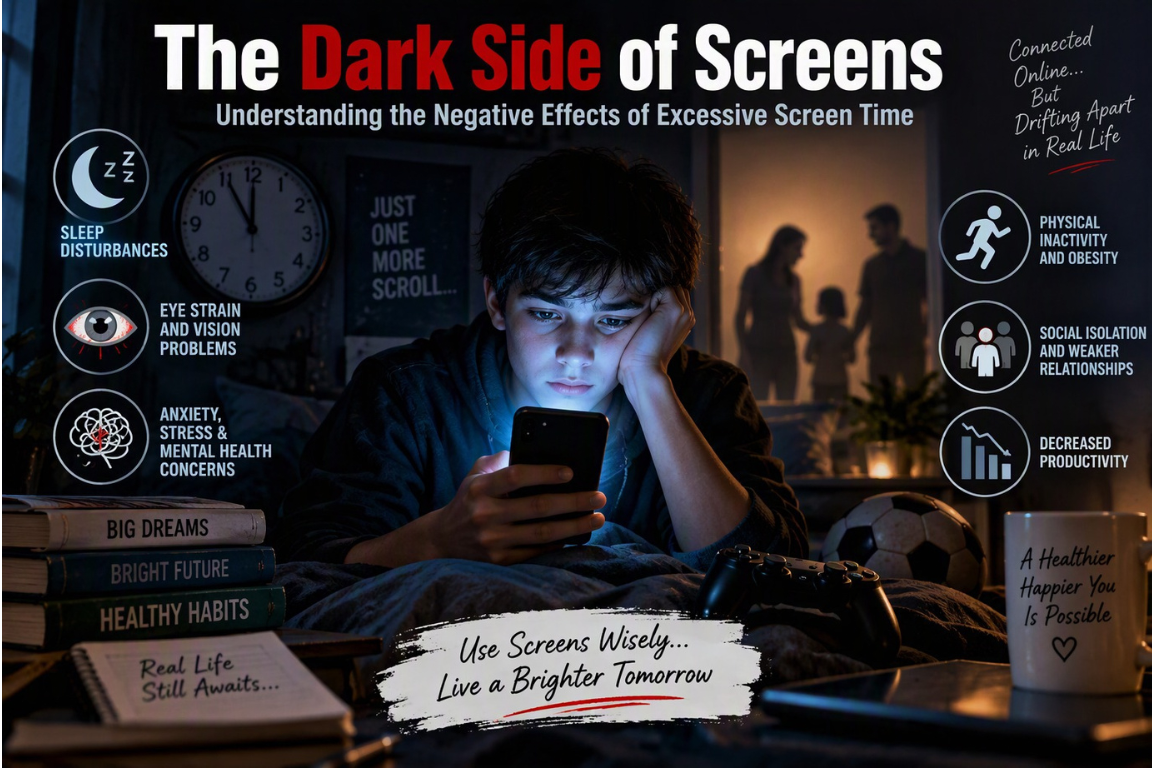
Excessive Screen Time: The Dark Side for Teenagers is becoming a growing concern for parents, educators, and health professionals worldwide. You are not alone if you are concerned about the rising rates of screen addiction among kids and teenagers. Today’s fast-paced digital world has made screens a vital part of daily life. We constantly use technology, from laptops and smart TVs to smartphones and tablets. While adults use screens for work, communication, shopping, and many other daily chores, children and teenagers rely on them for social connection, education, entertainment, and gaming. Excessive screen time has increased significantly across all age groups as electronic devices continue to develop and become more prevalent.
While technology provides instant connectivity, convenience, and educational opportunities, excessive screen time can also lead to significant problems that people frequently ignore. Long-term screen use has been associated with sleep problems, eye strain, decreased physical activity, shortened attention spans, and a number of mental health issues, according to research. The repercussions may be much more serious for teens, whose minds and behaviors are still forming. A balanced lifestyle and the development of healthier digital habits depend on an awareness of the dangers of excessive screen time.
This article explores the negative aspects of teens’ excessive screen time, looks at how it affects their physical, mental, and social well-being, and offers doable solutions to help young people have a better relationship with technology.
The Alarming Statistics: Dark Side of Screens
Individual beliefs and parental concerns are not the only factors leading to the growing concern about excessive screen use. The growing amount of time people spend in front of digital devices and the possibly harmful effects of this activity have been brought to attention by numerous research and health groups. Screen time is increasing for people of all ages as cellphones, tablets, laptops, and televisions become more and more entrenched in daily life. The following data shows how pervasive excessive screen time has become, which is why experts are advising people and families to adopt healthy digital habits before the issue becomes severe.
- On average, adults spend four to six hours a day on screens. This covers using computers for work, social media browsing, watching videos, email checking, and other internet activities. Long-term screen time can lead to eye strain, decreased efficiency, and difficulty striking a healthy work-life balance. (Source: American Academy of Sleep Medicine)
- Children use screens for seven to eight hours a day on average. Social media, online gaming, streaming services, and digital entertainment take up most of this time. Excessive screen time during childhood may negatively impact learning, physical activity, social development, and emotional well-being, according to health experts. (Source: Common Sense Media)
- Health experts frequently link excessive screen time with decreased attention span, obesity, and sleep problems. Long periods of time spent in front of screens are shown by researchers to hinder regular exercise, interfere with sleep cycles, and make it more difficult to concentrate on tasks requiring constant focus. These effects can negatively influence academic performance, work efficiency, and overall quality of life. (Source: World Health Organization)
Transition to the next section:
These alarming data indicate that excessive screen time is becoming a major public health worry rather than just a minor lifestyle issue. Understanding the statistics is just the first stage. Examining the specific ways that excessive screen time affects our relationships, everyday productivity, mental health, and physical health is essential to understanding the negative effects of screens.
The Negative Effects of Excessive Screen Time
While technology has completely transformed how we work, study, and communicate, excessive screen time can lead to serious side effects that we frequently ignore. Sleep quality, physical health, mental stability, and social relationships are just a few of the aspects of our well-being that can be gradually impacted by what starts out as a handy habit. Understanding these negative effects becomes more important as excessive screen time increases for both adults and children. Some of the most common and alarming ways that the dark side of screens might affect our everyday lives and general quality of life are discussed in the following sections.
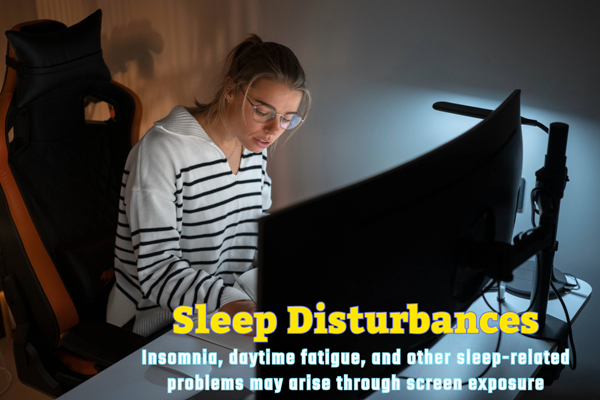
- Sleep Disturbances: Insomnia, daytime fatigue, and other sleep-related problems may arise through screen exposure and the blue light they release interacting with the way we sleep. This is one of the major negative effects of the dark side of screens.
- “The blue light emitted by screens can suppress the production of melatonin, the hormone that regulates sleep.” – Dr. Charles Czeisler, Harvard Medical School
- Eye Strain and Vision Problems: Using screens for prolonged periods may give rise to headaches, blurred vision, and eye strain. In addition, it could make myopia (nearsightedness) and other vision problems more common, which is another factor of the dark side of screens.
- “Every 20 minutes, look away from your screen and focus on something 20 feet away for 20 seconds.” – Dr. David Allingham, Ophthalmologist
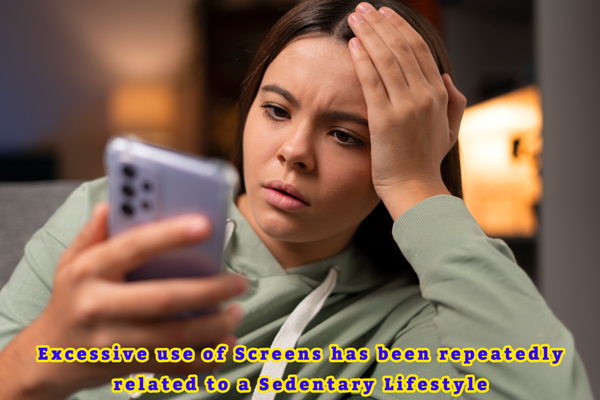
- Physical Inactivity and Obesity: Excessive use of screens has been repeatedly related to a sedentary lifestyle, which enhances the possibility of obesity, cardiovascular disease, and other ailments. This represents yet another negative impact of excessive screen use.
- “Physical activity is essential for maintaining physical and mental health. Excessive screen time can lead to a decline in physical activity.” – Dr. James Levine, Director of the Mayo Clinic’s Obesity Solutions Center
- Mental Health Concerns: Excessive dependence on screens may heighten anxiety, depression, and nervousness. Specifically on social media, the harmful aspects of screens can negatively affect body image and self-esteem.
- “Social media can be a curated highlight reel of people’s lives, which can lead to unrealistic expectations and decreased self-esteem.” – Dr. Jean Twenge, Psychologist
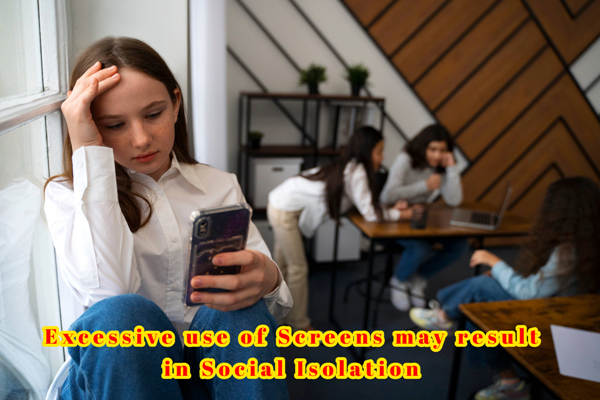
- Social Isolation and Decreased Productivity: The excessive use of screens may result in social isolation, an overall decrease in productivity, and a reduction in your capacity to interact with others in reality.
- “Face-to-face interaction is essential for building strong relationships and improving communication skills.” – Dr. Sherry Turkle, Psychologist
Finding a Balance on the Dark Side of Screens
Even while screens are now a key component of modern life, long-term well-being relies on finding a healthy balance between online and offline activity. The idea is to use technology more purposefully and ethically rather than eliminate it. Consumers can take advantage of technology’s benefits while reducing its negative aspects by establishing sensible boundaries and developing thoughtful digital habits. The following feasible strategies might encourage a healthier, more balanced lifestyle and reduce excessive screen usage.
- Create Screen-Free Zones: Put apart specific times or areas during the day, such as before bed, during family meals, or while studying, where the use of screens is prohibited. These screen-free times encourage deep conversation, improve focus, and strengthen connections with loved ones.
- Make Use of Screen-Time Monitoring Tools: Currently, the majority of desktops, laptops, tablets, and smartphones come with built-in screen-time trackers that let users keep an eye on their daily online habits. Reducing the period of time spent on social media, gaming, or entertainment apps can help avoid mindless scrolling and promote better use of technology.
- Exercise Regularly: One of the best ways to reduce screen dependency is to get involved in physical activity. Regular exercise, whether it be walking, jogging, cycling, yoga, or playing sports, improves physical fitness, raises mood, and lowers stress levels in addition to reducing sedentary behavior.
- Practice Mindfulness: To use devices in a healthier way, it’s important to become aware of your digital behaviors. Stretch your body, relax your eyes, take regular breaks, and assess whether your screen time is helpful on a regular basis. Easy ways to reduce eye strain and improve focus include the 20-20-20 rule.
- Prioritize Personal Interaction: Digital communication is useful, but it should not take the place of personal contact. Make an effort to spend time with family, friends, and colleagues. Social experiences help us build stronger relationships, improve our emotional health, and develop better communication skills.

By incorporating these habits into daily life, individuals can create a healthier relationship with technology. Small, consistent changes in screen usage can lead to significant improvements in physical health, mental well-being, productivity, and overall quality of life, ultimately helping us stay connected without becoming controlled by our screens.
Conclusion
Excessive screen time may negatively impact our relationships, productivity, and mental and physical health. We can maintain a healthy and balanced lifestyle by being aware of the risks and finding a balance in our screen time. Keep in mind that the objective is to use screens in a way that improves your overall health, not to completely outlaw them.
As Dr. Nicholas Kardaras, author of “Glow: How the Internet is Killing Our Minds and What to Do About It,” says, “The key is to achieve a balance between technology use and other aspects of life. When we do that, we can harness the benefits of technology while minimizing its negative effects.”
Knowing how much time we spend in front of screens and taking steps to cut back on it can help our relationships, productivity, and mental and physical health. Take control of your screen time now to begin enjoying a more balanced, healthy existence.
Final Thoughts
In summary, excessive screen time is a significant issue that affects everyone. We may improve our overall well-being and health by being conscious of the negative effects and taking measures to restrict screen time. Keep in your mind that it’s a journey instead of a destination. We can achieve a healthier balance between screen time and other aspects of life by making small modifications to our daily habits.
So, what are you waiting for? Proceed on the path to a more balanced, healthier lifestyle. Reduce your screen time, boost your productivity, and improve your overall health.
I hope this article has provided you with valuable knowledge about the negative effects of excessive screen time, along with recommendations for reducing it. We may strengthen our relationships, productivity, and mental and physical health by being conscious of our screen usage and taking actions to regulate it.
Call to Action (CTA)
Take Control of Your Screen Time Today
The negative aspects of displays do not mean that technology is undesirable. Instead, it serves as a reminder that all strong tools must be used properly. You can protect your mental health, improve your quality of life overall, strengthen your relationships, and obtain better rest by being more mindful of how much time you spend on digital devices.
Today, make a small change. Set aside an hour to avoid using screens, go for a walk instead of scrolling, or spend time with your loved ones without getting lost by electronics. A better and happier life is the result of each step taken toward balanced screen time.
Have you or your children suffered the effects of excessive screen time? Tell us about your experiences and the strategies you’ve used to keep a healthy digital balance in the comments section below. To raise awareness of the disadvantages of screens, please share this information with your loved ones if you find it beneficial.
Author’s Column

As a student and an educational and motivational blogger, Plakshi shares insights on communication, confidence, and personal growth through inspiring posts.
Frequently Asked Questions (FAQs)
-
How much screen time is considered too much?
Age and motives have an impact on the amount. Nonetheless, experts typically advise restricting recreational screen time and making sure that screen use doesn’t interfere with social life, job, education, sleep, or physical activity.
-
How does excessive screen time affect sleep?
Screens emit blue light, which can interfere with the production of melatonin, the hormone responsible for regulating sleep. As a result, excessive screen use before bedtime may lead to difficulty falling asleep and poor sleep quality.
-
Can excessive screen time affect children’s development?
Certainly. Children’s attention durations, learning capacities, social skills, levels of physical activity, and emotional health may all be impacted by excessive screen time. A healthy balance between screen-based and offline activities should be encouraged by parents.
-
What are the most common physical health problems caused by excessive screen time?
Eye strain, headaches, vision loss, neck and back pain, poor posture, sleep issues, and a higher chance of obesity as a result of less physical activity are common problems.
-
How does screen time impact mental health?
Excessive screen use, especially on social media, can cause stress, anxiety, sadness, loneliness, low self-esteem, and negative comparisons with others.
-
What are some effective ways to reduce screen time?
Creating screen-free areas, limiting app usage, doing chores, reading, practicing mindfulness, and placing a priority on personal relationships with friends and family are all ways to cut down on screen time.
-
Can reducing screen time improve productivity?
Yes, reducing needless screen time can help people focus better on their work, study, and personal ambitions while also improving time management, focus, and distraction management.