
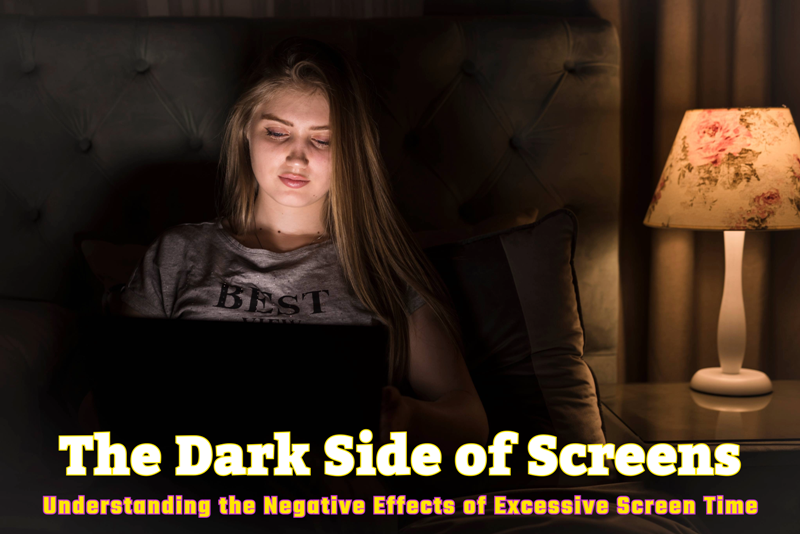
You must be keen to learn the dark side of screens in view of the addiction of your children. It’s obvious. Screens have become an essential aspect of our lives in today’s digital world. We are using them for communication, work, entertainment, and even emotional relaxation. On the contrary, however, excessive screen dependence may severely impact our relationships, productivity, and physical and mental health. The following article will address the adverse effects of the dark side of screens and the importance of finding a balance in screen time.
The Alarming Statistics: Dark Side of Screens
- On average, adults use screens for four to six hours every day. (Source: American Academy of Sleep Medicine)
- On average, children consume screens for between seven and eight hours every day. (Source: Common Sense Media)
- Decreased attention span, obesity, and sleep disorders tend to be linked to excessive screen time. (Source: World Health Organization)
The Negative Effects of Excessive Screen Time
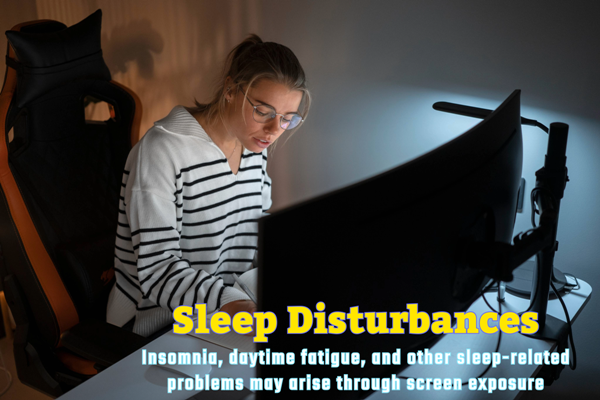
- Sleep Disturbances: Insomnia, daytime fatigue, and other sleep-related problems may arise through screen exposure and the blue light they release interacting with the way we sleep. This is one of the major negative effects of the dark side of screens.
- “The blue light emitted by screens can suppress the production of melatonin, the hormone that regulates sleep.” – Dr. Charles Czeisler, Harvard Medical School
- Eye Strain and Vision Problems: Using screens for prolonged periods may give rise to headaches, blurred vision, and eye strain. In addition, it could make myopia (nearsightedness) and other vision problems more common, which is another factor of the dark side of screens.
- “Every 20 minutes, look away from your screen and focus on something 20 feet away for 20 seconds.” – Dr. David Allingham, Ophthalmologist
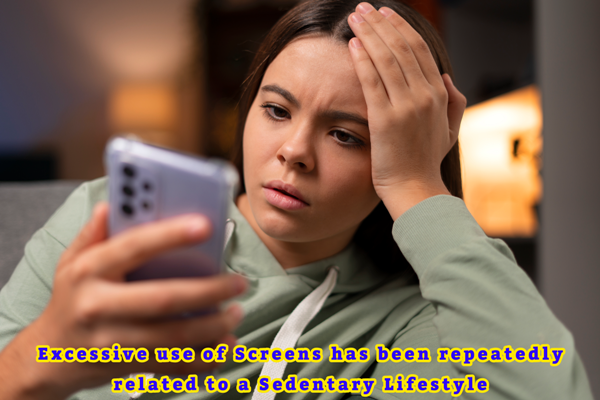
- Physical Inactivity and Obesity: Excessive use of screens has been repeatedly related to a sedentary lifestyle, which enhances the possibility of obesity, cardiovascular disease, and other ailments. This represents yet another negative impact of excessive screen use.
- “Physical activity is essential for maintaining physical and mental health. Excessive screen time can lead to a decline in physical activity.” – Dr. James Levine, Director of the Mayo Clinic’s Obesity Solutions Center
- Mental Health Concerns: Excessive dependence on screens may heighten anxiety, depression, and nervousness. Specifically on social media, body image and self-esteem can suffer from the dark side of screens.
- “Social media can be a curated highlight reel of people’s lives, which can lead to unrealistic expectations and decreased self-esteem.” – Dr. Jean Twenge, Psychologist
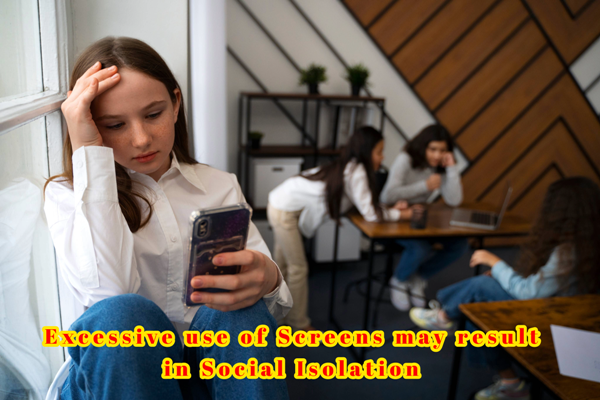
- Social Isolation and Decreased Productivity: The excessive use of screens may result in social isolation, an overall decrease in productivity, and a reduction in your capacity to interact with others in reality.
- “Face-to-face interaction is essential for building strong relationships and improving communication skills.” – Dr. Sherry Turkle, Psychologist
Finding a Balance on Dark Side of Screens
Finding a balance in our screen usage is essential for maintaining our relationships, productivity, and mental and physical health, even though it is impossible to entirely forgo screens. Some suggestions may assist you in reducing on-screen time:
- Create screen-free zones: Set aside particular places or times throughout the day, such as before bed or during meals, as screen-free.
- Make use of screen time measuring tools: Look for integrated instruments or programs to track screen time and impose restrictions.
- Exercising: Practicing regular physical activity can help you spend fewer hours sitting in front of a screen while improving your overall well-being.
- Practice Mindfulness: Practice mindfulness by being conscious of how much time you spend on screens and taking regular breaks to stretch and rest your eyes.
- Prioritize personal interaction: Make time available for personal conversations with family and friends.

Conclusion
Excessive use of screens may negatively impact our relationships, productivity, and mental and physical health. We may maintain a healthy and balanced lifestyle through being aware of the risks and finding a balance with our screen time. Keep in mind that the objective is to use screens in a way that improves your overall health, not to completely outlaw them.
As Dr. Nicholas Kardaras, author of “Glow: How the Internet is Killing Our Minds and What to Do About It,” says, “The key is to achieve a balance between technology use and other aspects of life. When we do that, we can harness the benefits of technology while minimizing its negative effects.”
Being aware of how much time we spend in front of screens and taking steps to cut back on it can help our relationships, productivity, and mental and physical health. Take control of your screen time now to begin enjoying a more balanced, healthy existence.
Final Thoughts
Putting it all together, excessive screen time is an important issue that harms everyone. We may improve our overall well-being and health by being conscious of the negative effects and taking measures to restrict screen time. Keep in your mind that it’s a journey instead of a destination. We can achieve a healthier balance between screen time and other aspects of life by making small modifications to our daily habits.
So, what are you waiting for? Proceed on the path to a more balanced, healthier lifestyle. Reduce your screen time, boost your productivity, and improve your overall health.
I hope this article has provided you with valuable knowledge about the negative effects of excessive screen time, along with recommendations for reducing it. We may improve our relationships, productivity, and mental and physical health by being conscious of our screen usage and taking actions to regulate it.
Ekbetbet is on my radar! I’ve seen their ads; it looks pretty legit. I think I might try it out and see if it’s for me. Check it out if you feel the same way. ekbetbet
79kingcomdangnhap, here we go! Another day and another website to try out. Join me 79kingcomdangnhap
Если решили организовать поездку из Калининграда в Зеленоградск, желательно воспользоваться электричкой Калининград — Зеленоградск: это выгодный и стремительный способ добраться, а посадка и высадка у ж/д Калининграда крайне практичны. Расстояние от Калининграда до Зеленоградска ориентировочно 40 км, и по пути можно оценить видами естественных красот, включая Куршскую косу. Для исчерпывающего расписания и маршрутов электрички и автобусов желательно посмотреть информацию на калининград на новый год .
В Калининграде стоит обязательно посетить такие места, как кафедральный собор и знаменитый замок Шаакен, базирующийся в области. Фанаты рынков не обойдите стороной блошиный рынок — там можно найти особенные вещи и антиквариат. Поездка в Янтарное или на рекреационные зоны области тоже будет отличным дополнением к отдыху, особенно если намереваетесь совместить образовательный досуг с экскурсиями на природе и релаксацией на пляжей.
Dear Robertmaf,
Greetings of the Day! Thanks for your comments. But due to your language, I am unable to understand. Would you please post your comments in the English language so that I may be able to reply properly? I would be very thankful and feel grateful to reply.
Regards,
Varinder Sharma
Email ID: mydailyneeds9608@gmail.com
Если вы намерены планируете поездку по Парижу или прилегающим регионам, определенно стоит посетить такие известные места, как базилика Парижской Богоматери, монмартр и Люксембургский сад. Для почитателей истории и архитектуры занимательными будут Руканский собор и Булонский лес, а также сооружение правосудия Париж и вандомская колонна. Чтобы иметь полное образ о городе, советую ознакомиться с свободными для посещения музеями Парижа и узнать, как добраться до Версаля из Парижа на сайте ницца площадь .
Помимо этого, многие интересуются информацию о культуре и легендарных личностях, принадлежащих с Парижем, например, о Коко Шанель, Марии-Антуанетте и их жизнях. Если планируете погрузиться в колорит, не оставьте без внимания кафе де Флор и знаменитый малый Трианон. Для любителей особенных впечатлений стоит осмотреть катакомбы Парижа и гулять по блошиным рынкам, а зимой — справить Новый год с видом на Эйфелеву башню.
Dear Marvinatoms,
Greetings of the Day! Thanks for your comments. But due to your language, I am unable to understand. Would you please post your comments in the English language so that I may be able to reply properly? I would be very thankful and feel grateful to reply.
Regards,
Varinder Sharma
Email ID: mydailyneeds9608@gmail.com
Alright folks, I’m giving bk8bet89 a try. Heard some good things about their customer support, so I’m hoping that’s true! The promos look decent too. Worth checking out: bk8bet89
One Price франшиза для начинающих предпринимателей https://oneprice.shop/
http://twosixcode.com/?URL=oneprice.shop
Dear One_ark1,
Greetings of the Day! Thanks for your comments. But due to your language, I am unable to understand. Would you please post your comments in the English language so that I may be able to reply properly? I would be very thankful and feel grateful to reply.
Regards,
Varinder Sharma
Email ID: mydailyneeds9608@gmail.com
Купить пластиковые окна на заказ в Москве — это отличный способ улучшить энергоэффективность вашего дома и повысить его комфорт.
Пластиковые окна способны существенно повысить теплоизоляцию в вашем помещении.
Dear William,
Greetings of the Day! Thanks for your comments. But due to your language, I am unable to understand. Would you please post your comments in the English language so that I may be able to reply properly? I would be very thankful and feel grateful to reply.
Regards,
Varinder Sharma
Email ID: mydailyneeds9608@gmail.com
Купить пластиковые окна на заказ в Москве — это отличный способ улучшить энергоэффективность вашего дома и повысить его комфорт.
Эти окна гарантируют высокий уровень звукоизоляции и защиты от холода.
Dear George Kam,
Greetings of the Day! Thanks for your comments. But due to your language, I am unable to understand. Would you please post your comments in the English language so that I may be able to reply properly? I would be very thankful and feel grateful to reply.
Regards,
Varinder Sharma
Email ID: mydailyneeds9608@gmail.com
Если планируете поездку на Тенерифе, обязательно наведайтесь в Monkey Park Tenerife — превосходный зоопарк, где вы сможете посмотреть драконовое дерево и познакомиться с тамошней флорой и фауной. Помимо этого, предлагаю посетить пляж Тереситас и бассейны Lago Martianez в Пуэрто-де-ла-Крусе, это некоторые из ключевых локаций Тенерифе, а также ознакомьтесь с программу Carnevale Tenerife 2025 — среди самых впечатляющих событий на Канарских островах karnawał na teneryfie 2025 .
Если интересует транспорт, bus Tenerife и линия teneriffa bus 343 fahrplan дадут возможность просто приехать в нужных мест. Помимо Тенерифе, стоит ознакомиться с и альтернативные города Испании у моря, к примеру, Барселону с пляжами и парком Цитадель, а также Малагу и Валенсию с её кафедральным собором и шелковой биржей. Погода на Тенерифе в ноябре и марте, обычно, приятная, что формирует эти месяцы отличным временем для отдыха.
Dear DavidsLict,
Greetings of the Day! Thanks for your comments. But due to your language, I am unable to understand. Would you please post your comments in the English language so that I may be able to reply properly? I would be very thankful and feel grateful to reply.
Regards,
Varinder Sharma
Email ID: mydailyneeds9608@gmail.com
При планировании поездку в Италию, рекомендую вам посмотреть на агротуризм в Тоскане – это отличный способ познать пейзажами и локальной кухней. Весьма занимателен агротуризм Италия Тоскана, где имеется шанс оказаться на фермах, испробовать вино и осмотреть термы Тоскана. Для любителей активного туризма идеально подходит маршрут по Доломитовым Альпам на машине или автопутешествие по амальфитанскому побережью на машине, а если хочется культурного досуга, не упустите маршрут по Венеции за 1 день с детальной картой на сайте доломитовые альпы перевалы .
Более того, для энтузиастов шопинга Флоренция предоставляет прекрасные аутлеты во Флоренции, включая The Mall – о них обычно хорошие отзывы. Если решили посетить Венецию, рекомендуется знать стоимость гондолы в Венеции и как достичь до достопримечательностей, скажем, таких как Святой лестницы или имперских форумов в Риме. А если путешествуете с детьми, есть изобилие вариантов, которые превосходно годятся для семейного туризма, как например, экскурсии из Неаполя в Помпеи или маршрут на паром из Неаполя на Капри.
Dear Marvinatoms,
Greetings of the Day! Thanks for your comments. But due to your language, I am unable to understand. Would you please post your comments in the English language so that I may be able to reply properly? I would be very thankful and feel grateful to reply.
Regards,
Varinder Sharma
Email ID: mydailyneeds9608@gmail.com
Если планируете переезд из Неаполя в Сорренто, стоит учесть не только промежуток между городами, но и удобство паромного сообщения — например, паром из Неаполя на Капри может быть отличным дополнением к поездке. Обязательно побывайте в Национальный римский музей и Палатин, чтобы подробнее понять исторический контекст античного Рима, а также не пропустите площадь Венеции и площадь Капитолия, которые впечатляют своей архитектурой и духом. Подробнее о совмещении достопримечательностей и маршрутах можно узнать тут: флоренция что посмотреть .
Для тех, кто имеет одним днём в Венеции, замечательный вариант — пеший маршрут, простирающийся через основные точки и каналы, охватывая площадь в Венеции и передвижение на гондоле. Также подсказываю обратить внимание на предложения экскурсии по Флоренции и прогулки по форуму Романум, а если намечаете активный отдых, путь по Тре Чиме ди Лаваредо доставит незабываемые переживания. В тандеме с краткой поездкой в Помпеи и Везувий это прекрасный способ посмотреть максимум за минимальное время.
Dear Marvinatoms,
Greetings of the Day! Thanks for your comments. But due to your language, I am unable to understand. Would you please post your comments in the English language so that I may be able to reply properly? I would be very thankful and feel grateful to reply.
Regards,
Varinder Sharma
Email ID: mydailyneeds9608@gmail.com
Ежели организуете поездку в Потсдам и думаете, что увидеть за один день, безусловно настаиваем уделить внимание на дворец Сан-Суси, Голландский квартал и японский сад. Вдобавок к традиционных достопримечательностей Потсдама, рекомендуется заглянуть в кинопарк Бабельсберг и замок Вальдек, чтобы обрести завершённое представление об этом чудесном городе. Для любителей природы здесь также изобилие парков Германии, где можно приятно провести время и полюбоваться красотой ландшафта.
Если вам хочется узнать, что осмотреть в Дюссельдорфе, не оставьте без внимания блошиный рынок с его оригинальной атмосферой и богатством товаров (адрес и расписание без труда найти на кушталь ), а также японский парк, который раньше назывался японским садом Дюссельдорфа. Поклонникам подвижного отдыха и коллективного семейного времяпрепровождения устроит Фантазия Ленд — предлагаем заранее ознакомиться с ценами на билеты и аттракционами. Подобные всевозможные направления позволят сделать ваше путешествие по Германии содержательным и памятным.
Dear Marvinatoms,
Greetings of the Day! Thanks for your comments. But due to your language, I am unable to understand. Would you please post your comments in the English language so that I may be able to reply properly? I would be very thankful and feel grateful to reply.
Regards,
Varinder Sharma
Email ID: mydailyneeds9608@gmail.com
Планируя отдых на озере Шира, стоит заранее ознакомиться с комплексами на Шира. Чрезвычайно популярны базы отдыха Шира Жемчужный и База отдыха Три Звезды Шира, где есть возможность снять удобные домики по справедливой цене и насладиться условиями, например, базой отдыха Шира с бассейном. Для ценителей природы рекомендую обязательно посетить Сад камней Шира — это великолепное место для прогулок и неспешного отдыха у воды.
На портале база отдыха шира вы сможете найти полную информацию о жилье на Шира, в том числе базы отдыха на Шира и озеро Шира базы отдыха с разнообразным уровнем комфорта. Кроме того рекомендую уделить внимание на варианты домиков Жемчужный Шира и базы отдыха с бассейном, которые великолепно подойдут для семейного полноценного отдыха. Не забудьте про своеобразную атмосферу и развлечения, как например катекс Шира или «Бегущая по волнам» — это обеспечивает отдых на Шира гораздо более запоминающимся.
Dear Marvinatoms,
Greetings of the Day! Thanks for your comments. But due to your language, I am unable to understand. Would you please post your comments in the English language so that I may be able to reply properly? I would be very thankful and feel grateful to reply.
Regards,
Varinder Sharma
Email ID: mydailyneeds9608@gmail.com
Продумывая поездку в Таиланд, в частности на острова Пхукет или Самуи, необходимо учитывать не только красивые пляжи, но и специфику региона. Например, многие задаются вопросом, как попасть с Пхукета на Самуи, где предпочтительнее арендовать байк и сколько денег предусмотреть на 10 дней отдыха. Не упустите изучить карту Таиланда и островов с названиями, чтобы свободнее ориентироваться, а также узнать с правилами въезда в Таиланд 2025 и текущей погодой по месяцам.
Наряду с пляжного отдыха, нужно заглянуть в океанариум Пхукет или попробовать тайский массаж – услуги для мужчин и женщин варьируются по цене и характеру. Если планируете узнать больше о превосходных пляжах Самуи, прайсе путевок или обмене валюты на Пхукете, загляните на этот информативный ресурс правила въезда в таиланд 2025 . Также рекомендуется обратить внимание на события региона, например, цунами в Тайланде 2004, ведь это оказывает влияние на особенности инфраструктуры отдельных курортов.
Dear Marvinatoms,
Greetings of the Day! Thanks for your comments. But due to your language, I am unable to understand. Would you please post your comments in the English language so that I may be able to reply properly? I would be very thankful and feel grateful to reply.
Regards,
Varinder Sharma
Email ID: mydailyneeds9608@gmail.com
Продумывая поездку в Таиланд, значительная часть задаются вопросом, сколько стоит отдых в Тайланд и сколько захватить денег на отдых. К примеру, путёвка в Тайланд цена обусловлена сезона — рекомендуется ехать в Тайланд, Пхукет в интервал с ноября по февраль, когда погодные условия наиболее комфортная. На Пхукете желательно заглянуть с рынком Патонг и шопинг-центрами на Патонге, где можно не только подобрать сувениры, но и оценить необычные фрукты Таиланда. Более детально про прайсы, экскурсии и переезды, охватывая паром Пхукет Самуи, можно посмотреть здесь сколько стоит отдых в тайланде .
В отношении ориентирования, в аэропорту Пхукета процесс довольно несложно: центральная важных моментов — определить самый приемлемый обменник на Пхукете или легальное такси до отеля. За 10 дней на Пхукете в большинстве случаев говорят запастись с собой бюджет, примерно где-то 30-40 тысяч бат, чтобы спокойно обеспечить наём байка, процедуры и пропитание. Если любопытно, что привлекательнее — Самуи или Пхукет, то каждый из остров хорош по-своему, и большая часть основывается на ваших пожеланий, в частности, атмосферу пляжей или экскурсионные маршруты.
Dear Marvinatoms,
Greetings of the Day! Thanks for your comments. But due to your language, I am unable to understand. Would you please post your comments in the English language so that I may be able to reply properly? I would be very thankful and feel grateful to reply.
Regards,
Varinder Sharma
Email ID: mydailyneeds9608@gmail.com
Если разыскиваете беспосадочные рейсы из Еревана в Европу или интересуетесь, куда можно вылететь из Еревана дешево, необходимо ориентироваться на недорогие предложения и аэропорты как Болгарии, Польши, так и Чехии. Чрезвычайно удобно искать бюджетные авиабилеты из Москвы за границу, задействуя направления в Чехию, Новую Зеландию или даже Доминикану, а также специальные предложения из Москвы дадут возможность сэкономить на рейсе.
Для путешественников, кто путешествует из Ташкента, нужно знать о прямых беспересадочных рейсах из Ташкента в Европу и большой сети аэропортов ОАЭ и Израиля. На сайте прямые рейсы из белграда можно получить актуальную информацию и выбрать нужные авиабилеты в Прагу, Берлин или Анталию с наилучшими lowcost вариантами. Также не забудьте просмотреть аэропорты Англии, Норвегии и Албании, чтобы обогатить ассортимент направлений для выгодных путешествий.
Dear Marvinatoms,
Greetings of the Day! Thanks for your comments. But due to your language, I am unable to understand. Would you please post your comments in the English language so that I may be able to reply properly? I would be very thankful and feel grateful to reply.
Regards,
Varinder Sharma
Email ID: mydailyneeds9608@gmail.com
В случае если вы планируете странствия и интересуют вас прямыми рейсами из всевозможных городов, необходимо обратить внимание на возможности по аэропортам Филиппин, Зимбабве, Дании и Венесуэлы. Так, доступны прямые рейсы из Стамбула в Европу и Анталию, а также рейсы из Еревана в европейские направления города, что может значительно облегчить путешествия. Для определения самых экономных авиабилетов из Москвы, Лондона, Стамбула или Минска, а также из подобных городов, как Екатеринбург и Вроцлав, можно воспользоваться ресурс аэропорты в польше , где размещена информация о бюджетных вариантах и выгодных билетах.
Вдобавок, необходимо знать, что аэропорты США, Польши, Албании и ОАЭ открывают разнообразный выбор направлений, с учетом популярные города в Таиланде, Доминикане и Нидерландах. Заметим, что в целом ряде странах, как на Мальте или в Англии, количество аэропортов помогает легко находить оптимальные маршруты. Если вы подбираете куда дешево улететь из Москвы, Дубая или Стамбула, следует изучить предложения по лоукостам и прямым рейсам, чтобы максимально сэкономить на перелетах.
Dear Marvinatoms,
Greetings of the Day! Thanks for your comments. But due to your language, I am unable to understand. Would you please post your comments in the English language so that I may be able to reply properly? I would be very thankful and feel grateful to reply.
Regards,
Varinder Sharma
Email ID: mydailyneeds9608@gmail.com