

Exams are getting near. It is quite common for lessons, school rooms, and even your own thoughts to feel heavier than normal as exam dates near. “There’s too much to study,” or “I haven’t done enough yet,” might be on your brain as you look at your books. Here’s something important to understand: being nervous or frightened is not a sign of weakness; it shows you care about the future. And the first step to success is caring. Although exams are rapidly approaching, they have no right to assess your worth or confidence.
This is not the time to give up or lose hope; rather, it is the time to act confidently and smartly. Having the right mindset, even a few focused days can have an important effect. Incredibly, each tiny effort, every doubt clarified, and every chapter revised counts. Instead of panicking over the exams, observe yourself growing calmer, structured, and confident every single day. This method can help you in converting pressure into progress and fear into focus. Exams are merely a test of knowledge, not of your potential, so keep that in mind, straighten your shoulders, and have faith in your abilities. You are competent.
Here in this article, we shall explore at least 8 tips to face exams, avoid panic in your mind, and do well in them. Nothing to worry. You are not alone in facing the exams.

Take a Deep Breath and Assess
The first thing you ought to do when an exam seems looming and overwhelming is to calm down and take a deep breath. Panic can cloud your thinking, but once you calm down, your ideas will become clearer. Sit down and honestly assess the present scenario rather than worrying about everything at once. Analyze the syllabus to find out which topics you are comfortable with and which need more study. Identifying your starting point is the aim of this phase, not self-criticism or guilt. Once you can see clearly what you need to do, the fear usually goes away and a sense of control starts to grow. How does the exam schedule look?
- Sit quietly for two or three minutes, close your eyes, and take slow, deep breaths to calm your mind before planning anything.
- Write down all your subjects and chapters instead of keeping them only in your mind—this technique reduces anxiety instantly.
- Mark topics you already understand well; this will boost your confidence and motivation.
- Highlight chapters or concepts you find difficult, but don’t panic—this list helps you prioritize smartly.
- Check how many days are left for exams and roughly estimate how much time you can study each day.
- Be honest with yourself while assessing—this is not about perfection, but about progress.
- Remind yourself that awareness is power; once you know where you stand, improvement becomes possible.
My Practical Experience:
I still feel nervous before exams because I thought there was too much material to cover. However, everything seemed simpler and achievable once I carefully went over my syllabus.
Prioritize and Plan
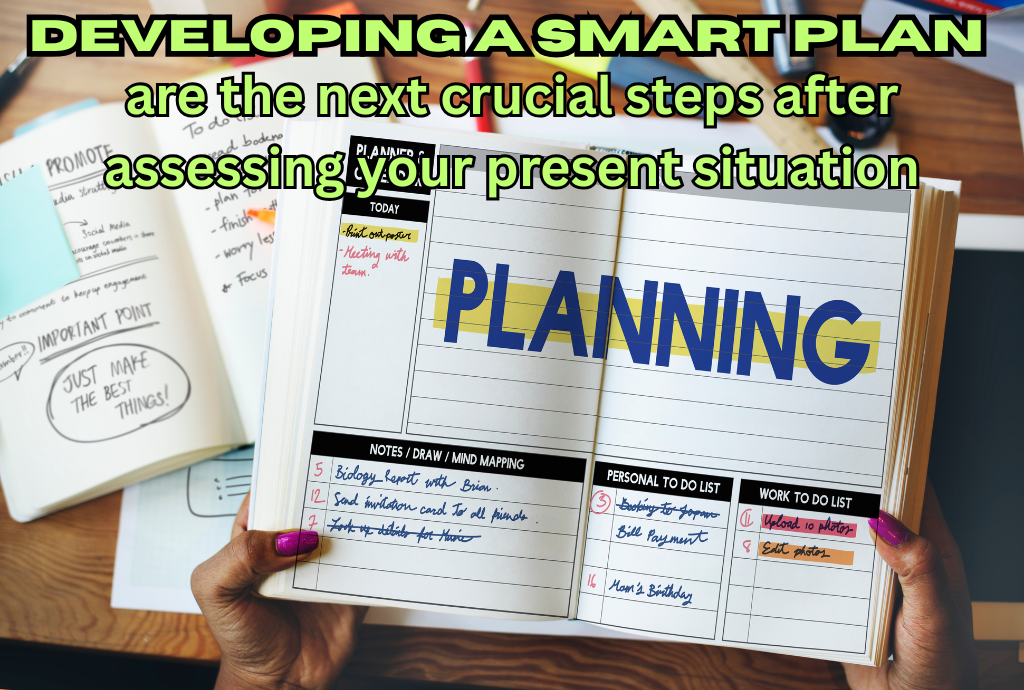
Defining targets and developing a smart plan are the next crucial steps after assessing your present situation. Choose subjects that are more important or need more work, as not all subjects or chapters require the same amount of time. Instead of copying someone else’s timetable, create a simple, realistic study plan that fits in with your routine in facing exams. Split your syllabus into manageable tasks and set them away for specific times. Instead of letting you feel trapped, an effective plan provides direction, sets up confusion, and converts stress from exams into planned behavior. Draw focus on high-weight topics, such as evaluating which sections and topics are the most important.
- List subjects in order of difficulty or importance, starting with the ones that need the most attention.
- Allocate more time to weak areas, but don’t entirely ignore subjects you’re already good at.
- Divide each chapter into small parts so studying feels achievable, not overwhelming.
- Create a daily study plan with specific time slots instead of vague goals like “study math.”
- Keep buffer time in your schedule for revision, doubt-clearing, or unexpected delays.
- Study difficult subjects when your mind feels fresh, such as early morning or after a short break.
- Avoid overloading one day; a balanced plan helps you stay consistent and stress-free.
- Review your plan every night and adjust it if needed—flexibility is a strength, not a failure.
My Practical Experience:
I used to move between subjects at random, which made me feel behind all the time. My preparation for exams became more organized and effective once I began setting objectives for difficult topics and sticking to a simple study plan.

Study Smarter, Not Harder
Long hours of study rarely turn into greater results; how you study is more significant. Instead of just reading multiple times, study smarter by using methods that help you recall and understand the material. Set your focus on active learning by tackling practice questions, revising with short notes, and attempting regular exams. Because a drained brain learns very little, take short breaks to keep your mind fresh. Even fewer hours of study time can result in improved results and more confidence if you have a clear goal and use the right methods. Make use of active learning methods: Compose subject maps, practice questions, and an analysis of your notes.
- Study in short, focused sessions (25–40 minutes) instead of long, tiring hours without breaks.
- Actively test yourself by solving questions or recalling answers without looking at the book.
- Make short notes, mind maps, or formula sheets to revise quickly before exams.
- Teach what you’ve learned to a friend or even to yourself—explaining concepts strengthens memory.
- Use past question papers and sample tests to understand exam patterns and important topics.
- Revise regularly instead of cramming everything at the last moment.
- Remove distractions like mobile phones or social media while studying to improve concentration.
- Focus on understanding concepts clearly rather than memorizing without meaning.
My Practical Experience:
I once spent hours rereading chapters, yet I struggled to remember key concepts during exams. When I switched to practice questions, self-testing, and short notes, my understanding improved significantly, and studying became far more effective.

Stay Motivated
Sustaining focus as exams approach close could prove just as challenging as really studying. It’s very common to feel motivated on some days and to begin questioning yourself on others. Reminding yourself of your goals and the reason why you are studying is important. Recognize small achievements such as completing a chapter or doing better on practice exams. Be in the company of encouraging words, supportive people, and positive thoughts. Give it up when your drive fades; instead, take a moment to refocus on exams, and continue. Even on days when you feel less inspired, your endurance builds confidence and leads to success. Give yourself a reward: Acknowledge small triumphs and victories.
- Start each day by setting one small, achievable study goal to build momentum and confidence.
- Reward yourself after completing tasks, such as taking a short break or enjoying a favorite activity.
- Avoid comparing your progress with others; focus on becoming better than you were yesterday.
- Keep motivational quotes or positive reminders near your study space to stay encouraged.
- Maintain a healthy routine with proper sleep, regular meals, and short physical activity.
- Take breaks when needed—resting is part of productivity, not a waste of time.
- Talk to parents, teachers, or friends when you feel overwhelmed instead of bottling up stress.
- Remind yourself daily that exams are temporary, but the effort you put in builds lifelong confidence.
My Practical Experience:
I once spent hours rereading chapters, yet I struggled to remember key concepts during exams. When I switched to practice questions, self-testing, and short notes, my understanding improved significantly, and studying became far more effective.

Last-Minute Tips
The purpose is to stay calm and optimize what you already know as your examination grows nearer instead of studying everything new. Instead of beginning new chapters, focus on applying fast revisions, including definitions, formulas, and essential concepts. Stay away from late-night studies since obtaining enough rest enhances memory retention. To reduce your anxiety, plan your exam requirements prior to the date. Stay positive, trust your preparation, and remember that a relaxed mind works far better than an anxious one. Understand the basics and essential concepts; do not cram.
Do’s
- Revise short notes, formulas, diagrams, and important points you’ve already studied.
- Sleep well the night before the exams to keep your mind fresh and focused.
- Eat light, healthy food and stay hydrated to maintain energy levels.
- Reach the exam center early to avoid unnecessary tension.
- Read the question paper calmly and manage your time wisely during the exam.
- Trust yourself and attempt the questions with confidence, starting with the ones you know best.
Don’ts
- Don’t start learning entirely new topics at the last moment—it only increases stress.
- Don’t compare your preparation with friends just before the exams.
- Don’t stay up all night revising; exhaustion harms performance.
- If a question seems difficult, don’t panic—just move on and return later if needed.
- Don’t let one tough question ruin your confidence for the rest of the paper.
My Practical Experience:
Just the day before an exam, I remember feeling tempted to study entirely new subjects because I felt prepared. Instead, I focused on editing my notes, formulas, and significant ideas. I was able to keep calmness, improve my memory, and approach the exam room with confidence rather than panic thanks to that option.

You’re Not Alone: Believe, Breathe, and Move Forward
As exams are drawing nearer, bear in mind that feeling anxiety or uncertainty is an inevitable aspect of being human and is not a sign of failure. Every student, even those top scorers you looked up to, have moments of anxiety and insecurity. How you respond in such circumstances is what truly matters. You’ve already made significant progress toward success by taking a break, setting realistic choices, studying properly, and keeping up the drive to succeed. Exams are just one phase of your journey; they certainly do not tell the full story of your uniqueness or ability.
Above all, remember that you’re not going through this alone. You possess the support of your parents, teachers, friends, and even plenty of pupils that are following in your footsteps. Show confidence in your ability to learn and develop, believe in the work you’ve completed, and face the exam room with confidence and comfort. Give it your all, do your best, and surpass your fear. The courage you build now continues long after your exams are over, regardless of the end result, and that is a victory to be pleased with.
My Practical Experience:
Despite weeks of preparation, I still remember feeling nervous when I entered an exam room. I immediately doubted my knowledge and focused on the things I hadn’t looked into. I felt happier after taking a few deep breaths and reminding myself of the work I had already done. I learned from that experience that having trust in oneself is frequently just as crucial as working diligently in your studies. Sometimes mastering your fear is more difficult than the exam itself.

Call-to-action
Now, take a moment, close this page, breathe deeply, and choose one small task to begin with. Don’t wait for the “right time” or the “perfect mood.” Use what you have and start where you are. You can change every aspect of your day by giving it 20 minutes of focused effort. Show belief in yourself, keep your cool, and keep making tiny steps forward. Your confidence tomorrow is determined by what you do today. Your journey is vital, and you are stronger than you realize. Go right now and give it everything you’ve got.
Author’s Column

As a student and an educational and motivational blogger, Plakshi shares insights on communication, confidence, and personal growth through inspiring posts.
Some Practical Tips
- On your list, start with a simple task. Quickly finishing a little activity builds momentum and allows one to take on harder tasks.
- Keep a bottle of water next to where you study. Keeping water lowers fatigue and increases focus.
- To maintain focus and prevent wasting time on distractions when studying, use a timer.
- To start studying right away, get your books, notes, and study tools ready the night before.
- During breaks, take a short walk or stretch gently to keep your energy levels up and your mind clear.
- To minimize interruptions, keep your phone away from your study desk or in silent mode.
- Every study session ought to end with a brief review of the subject matter studied. This simple practice increases confidence and enhances retention.
- To start your morning with a specific objective, list your top three priorities for the next day before you go to bed.
Remember that small, routine tasks often produce better results than irregular, vigorous effort bursts. Keep moving forward, one step at a time.
Frequently Asked Questions (FAQs)
-
What should I tell myself before entering the exam hall?
“I have prepared as best I can,” you should remind yourself. I’ll stay calm, think clearly, and do my best. Being perfect is not the source of confidence; rather, it comes from having faith in your preparation and your capacity to deal with issues one question at a time.
-
Is it normal to feel nervous before exams?
Yes, without a doubt. Most students suffer nervousness before taking exams. It typically indicates that you are motivated to do well and are concerned about your performance. Try to think of nervousness as energy that you can use for concentrated preparation and effective study habits instead of seeing it as a sign of weakness.
-
What should I do if I haven’t completed my syllabus yet?
Don’t panic. Start by evaluating which chapters and subjects are essential and have greater weight. Make a practical study schedule, focus on finishing important subjects first, and make frequent revisions. Smart preparation can help you do well on the test even if you haven’t finished the entire course.
-
How many hours should I study before exams?
There isn’t a set amount of study time that is ideal for everyone. Your study’s quality is more important than its quantity. Emphasize learning without distractions, fully understand subjects, and take regular pauses. Six hours of random reading may not be as productive as a targeted three-hour study session.
-
How can I reduce exam stress quickly?
Taking a break and taking deep breaths is one of the fastest strategies to reduce exam stress. Make a basic study timetable, organize your work, and concentrate on one subject at a time. Talking to someone you trust, getting enough sleep, and engaging in physical activity can all greatly help you relax.
-
Is studying late at night a particularly effective idea before exams?
Though some students would rather study at late hours, it is not advised to neglect sleep. Sleep greatly affects memory retention, focus, and problem-solving skills. Exam performance is far higher for a well-rested mind than for a tired one.
-
What is the best way to revise before an exam?
Active revision is the most efficient revision approach. Make use of practice questions, formula sheets, mind maps, flashcards, and short notes. Solving past years’ papers and regularly testing oneself improves long-term memory and increases confidence.
-
Should I compare my preparation with my friends?
No. Every student has specific abilities and constraints and learns at a different rate. Self-doubt and unnecessary stress are often brought on by comparing oneself to others. Pay attention to your personal development and strive to get better at all times.