
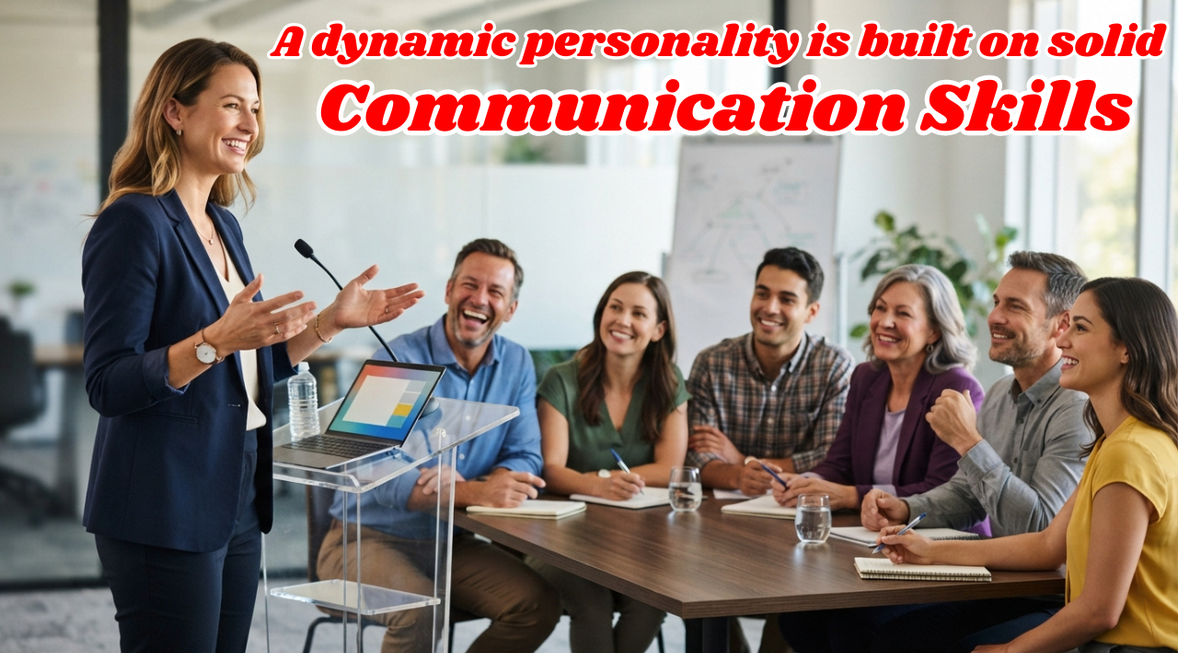
Communication Skills and Personality: 10 Positive Perspectives is more than just a headline—it captures a timeless truth that echoes through every interaction we have. Expressing ourselves emotionally, establishing rapport, and moulding how others see us are all parts of the art of communication, which goes beyond just exchanging words. The way we express ourselves in any given situation, be it a business meeting, a friendly chat, or a personal letter to a loved one, makes an impression that will last. A dynamic personality is built on solid communication skills, which impact self-assurance, empathy, and the capacity to establish genuine connections with people.
Just consider how much good it can do: motivate a group, calm tensions, and make someone’s day with a sincere smile and some encouraging words. Through repeated exposure to these subtle but profound expressions of human connection, we develop traits that make us more likeable, magnetic, and tough. When we develop the skills of attentive listening, straightforward expression, and authenticity, we draw people to us more. When we see it this way, communication skills become more than just a talent.
“The single most significant problem in communication is the illusion that it has taken place.” -George Bernard Shaw
In this article, we’ll look at 10 ways that strengthening your communication skills may make you a better person, give you more self-assurance, and lead to chances you never thought possible. You can improve your personal and professional life by learning to communicate effectively; doing so will help you develop a positive outlook, inner strength, and capacity for authentic human connection.

1. The Mirror Effect: How Talking Shapes Self-Perception
Speaking is more than just conveying information; it’s also a type of self-reflection. Psychologists refer to this as “self-talk” because it’s the inner monologue that supports our self-perception. When you train yourself to speak clearly and with conviction, you start to believe that you are an articulate, engaging, and deserving person.
“You are what you speak. Your words are a mirror to your inner world.” – Dr Maya Angelou
Think about the famous “fake it until you make it” experiment: after only a short period of time, people who pretended to be more confident and talked with more authority reported better levels of self-esteem. The brain’s self-image can be “reprogrammed” through specific forms of communication skills.
Practical tip:
A simple daily affirmation like “I communicate clearly and listen deeply” can help you focus and get things done. A little bit of well-thought-out discourse can brighten an otherwise gloomy day.
I was hesitant to speak up early in my profession. I addressed my hesitation by repeating “I communicate clearly and listen deeply” every day. In a matter of weeks, I became more confident, my colleagues responded better, and I developed a more assertive, pleasant, and cheerful manner.
2. Empathy as a Personality Amplifier
The unsung hero of conversation is listening. Listening attentively, rather than merely waiting for one’s turn to talk, allows one to collect the personal information necessary to develop empathy. Being empathetic also boosts your charisma, likeability, and emotional intelligence.
“Listening is a loving act.” – Jiddu Krishnamurti
Good listeners are associated with higher levels of intelligence and trustworthiness, according to research out of the University of Michigan. One reason for this phenomenon is that listening to others shows you value their opinions.
Practical tip:
Try using the “mirror-and-reflect” strategy in your next discussion. After the other person finishes speaking, paraphrase what they said (“So you’re saying…”) and then add your own ideas. The interaction will change for the better in a friendly way.
I had problems talking about a colleague who did not feel heard. I repeated his points using the mirror-and-reflect approach before adding my own. His positive response developed my communication abilities, enhanced compassion for forming positive connections, and improved our rapport.
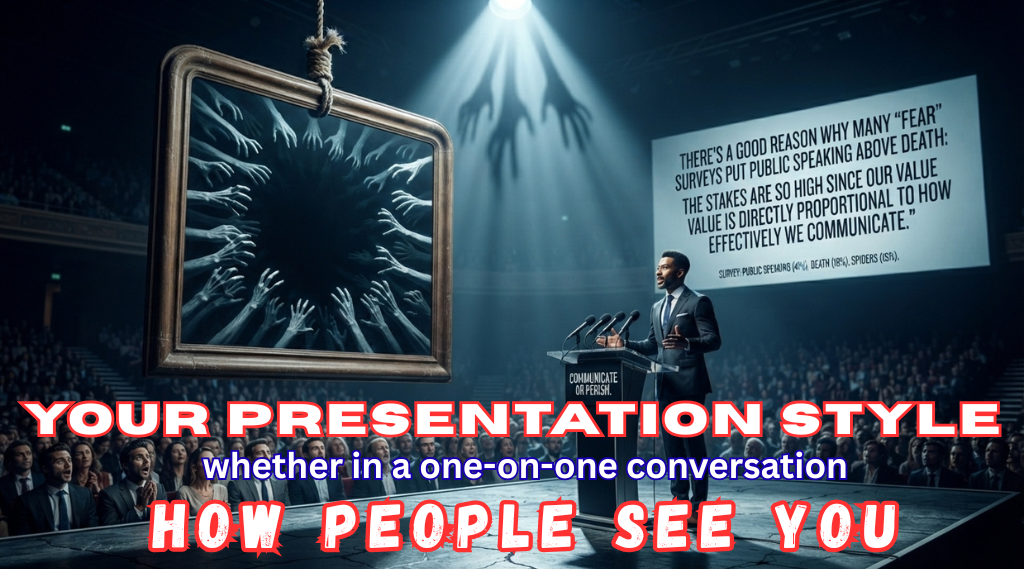
greatly influences how people see you
3. Confidence – The By-Product of Clear Expression
There’s a good reason why many “fear” surveys put public speaking above death: the stakes are so high since our value is directly proportional to how effectively we communicate. The bright side? You may strengthen your self-assurance with each and every interaction you have.
“The most important thing in communication is hearing what isn’t said.” – Peter Drucker
You alleviate the mental burden of “What if I mess up?” when you express your thoughts precisely. The brain can then shift its focus from the messenger to the message. As time goes on, a feedback loop is formed: when communication skills are effective, it boosts confidence, which in turn leads to even more effective communication skills.
Practical tip:
Every week, make a small commitment to do something small, like bring up one suggestion in a meeting or start a conversation by asking a question. The little victories build up to a significant character boost, so be sure to celebrate them.
I drove myself to make one minor suggestion during my first team meeting. With my nervousness, the supportive answer offered me confidence. Speaking up once a week helped me become more assured and vocal, which boosted my communication skills.
4. The Social Magnet: Charisma and Connection
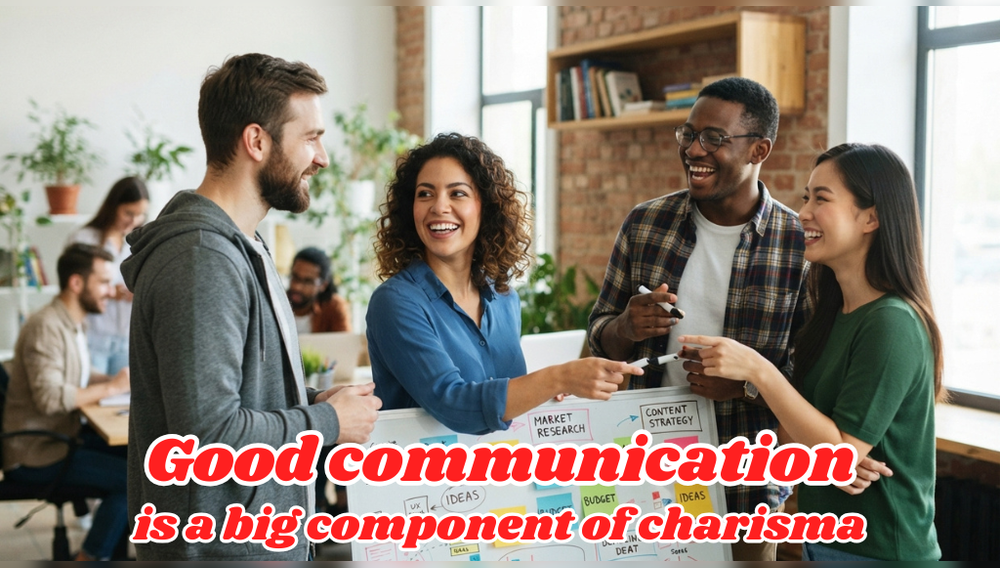
The quality that makes others desire to spend time with you is commonly referred to as charisma. Good communication skills are a big component of charisma, even though some people believe it’s an inherent quality. Making other people feel appreciated, heard, and seen is an art form.
“Charisma is the result of a genuine interest in others.” – Dale Carnegie
Dale Carnegie’s timeless advice—“Become genuinely interested in other people”—is essentially a communication skill. When you ask open‑ended questions, maintain eye contact, and respond authentically, you create a magnetic aura that draws people in.
Practical tip:
Follow the “3-question rule”: enquire further after someone else has spoken, then a third, before you chime in with your own anecdote. This demonstrates a genuine interest and establishes rapport rapidly.
I put the 3-question rule into action at a networking event. I noticed people opening up more when I offered relevant follow-ups before sharing my story. This deceptively simple exercise boosted my communication skills, enabled me to build a quick rapport, and gave me a naturally charismatic and warm personality.
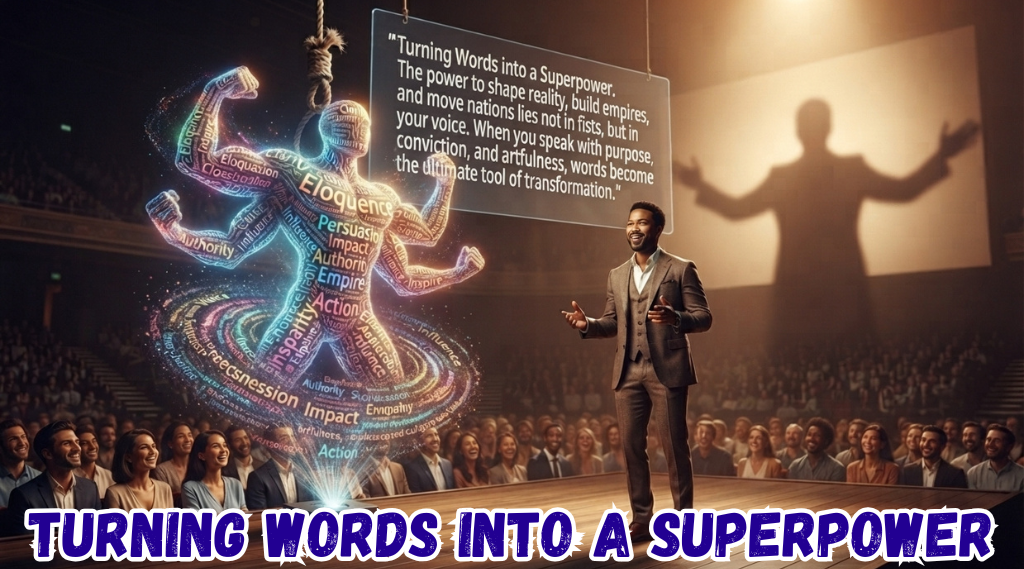
5. Emotional Regulation: Turning Words into a Superpower
Have you ever said anything carelessly and then regretted it? The ability to control one’s emotions before expressing them verbally is a talent that is lacking in this area of communication skills. Being able to do this task well can make you more composed and less reactive.
“The space between stimulus and response is where we choose our growth.” – Dr Viktor Frankl
Emotional intelligence—a trait of mature, esteemed individuals—is on display when one takes a moment to collect themselves, breathe, and select their words carefully. In the long run, this behaviour lessens arguments, fortifies bonds, and establishes credibility as a reliable leader.
Practical tip:
Prior to replying to an insulting email or comment, follow the “count‑to‑five” rule. If you want to avoid coming across as harsh and make sure your personality stays true to your principles, take a little break.
I gave myself a second to count to five before replying to a critical email. I was ready to respond calmly, steer out of controversy, and uphold my values thanks to that brief reprieve. This simple habit reinforced emotional control as an essential component of my personality and enhanced communication skills.
6. Storytelling: Crafting a Memorable Self-Narrative
As social beings, we crave narratives. Your presentation style, whether in a one-on-one conversation or a formal setting, greatly influences how people see you. The best storytellers leave an impression that lasts: they are perceptive, approachable, and motivating.
“Storytelling is the most powerful way to put ideas into the world.” – Robert McClellan
Telling a story about yourself that involves adversity, growth, and a positive ending helps people relate to you more deeply. You seem genuine and forward-thinking thanks to your narrative skill, which gives your personality dimension.
Practical tip:
Make sure to preserve a “story bank” of instances that imparted wisdom to you. A pertinent story will be at the ready whenever the occasion arises, allowing you to appear considerate and captivating.
I told a story about overcoming stage anxiety from my “story bank” during a leadership session. Storytelling is an effective tool for personality and influence, and the anecdote made my communication skills memorable, and the audience felt right away with me.

7. Non‑Verbal Communication: The Silent Sculptor
There is more to the equation than just words. Tone of voice, facial expressions, and body language frequently convey more meaning than words alone. You may boost your trustworthiness and maintain a positive persona by coordinating your non-verbal clues with what you say.
“What you do speaks so loudly that I cannot hear what you say.” – Ralph Waldo Emerson
Making genuine eye contact, standing tall, and smiling can transform a boring conversation into an unforgettable bond. Conversely, not paying attention can undermine even the most eloquent words.
Practical tip:
If you want to catch yourself acting a bit flat, consider recording yourself on a quick video call and analysing the footage for any anomalies. You can greatly enhance how others perceive you by changing these small behaviours.
I was conscious of how rigid my posture was and how pathetic my expressions were when I recorded myself during a video discussion. I improved my presence and communication skills by making minor changes to my gestures and maintaining eye contact with colleagues.
8. The Ripple Effect: How Your Communication Shapes Group Dynamics
To change the vibe of any group you’re in, work on your communication skills first. A trusting and collaborative work environment is the result of regular practice of positive communication skills, including active listening, polite disagreement, and constructive criticism.
“The quality of the conversation determines the quality of the relationship.” – Dr John Gottman
Imagine a team gathering where everyone is comfortable expressing their thoughts. It usually only takes one individual to set an example of transparency for the whole group to follow. When you take the lead, your impact multiplies exponentially, outstripping the sum of your parts.
Practical tip:
Ask the more reserved members of your team to share their thoughts in your next group meeting. Telling Sarah, “I’d love to hear your thoughts,” can change the dynamic of the group and show that you are a caring leader.
I requested a cautious colleague to provide an opinion over a team meeting. Her wise words altered the subject matter, pushed others to speak, and enhanced interpersonal relationships. That simple act illustrated how inclusive communication can enhance teamwork.
9. Overcoming Communication Barriers – Turning Obstacles into Opportunities
While communicating, nobody excels. Imperfect pronunciation, nervousness, cultural differences, or just a poor day can all act as obstacles. The most important thing is to see these difficulties not as fixed defects but as opportunities to develop.
“The greatest barrier to success is the fear of failure.” – Sven Göran Eriksson
“What can I learn from this?” is a valuable question to ask yourself whenever you have a misunderstanding. You might benefit from slowing down, elucidating technical terms, or engaging in more active listening. Every setback helps shape a stronger, more flexible character.
Practical tip:
A concise “communication journal” should be kept. Document any uncomfortable instances, your actions, and suggestions for how to do better in the future. As time goes on, you’ll notice trends and development.
After an intense interaction with a client, I began to write in a communication journal. Recurring patterns developed when I put down my discomfort, response, and ideas for improvement. Over time, this practice enhanced my skills to express myself and turned challenges into chances for personal growth.
10. The Future of Communication: Tech, Trends, and Your Personality
Emails, Slack, TikTok, and online meetings are the norm in today’s world of digital communication skills. While technology has expanded our options, it has also changed how we express ourselves. Being aware of the medium allows you to stay true to yourself.
“We shape our tools, and then our tools shape us.” – Marshall McLuhan
A well-written email can demonstrate attention to detail and consideration, while a short video chat can use facial expressions to portray excitement. Knowing when to be “in person” and when to be “virtual” and striking a balance between the two can help you maintain a versatile and relevant personality.
Practical tip:
First, come up with a brief synopsis of the message’s main points; next, determine if an in-person meeting, phone call, or written letter will be more appropriate.
I addressed the key points and chose a phone call instead of an email before responding to an intricate client inquiry. This decision ensured clarity, nurtured trust, and showed how altering communication methods increases both competence and personality.
it’s an inherent quality
Bringing It All Together
The ability of communication skills is more than simply a talent; it is a “transformative force” that shapes who we are. We can enhance our self-assurance, empathy, and charisma by practising active listening, articulating our speech, regulating our emotions, and mastering non-verbal cues. Every connection presents a chance to grow, be perfect, and, in the end, “be” the person we want to be.
Remember the words of Stephen R. Covey: “Seek first to understand, then to be understood.” When you adopt that mindset, you unlock a positive feedback loop: better communication → stronger relationships → richer self‑image → even better communication skills.
Think about every opportunity to “shape” your personality through the words you choose the next time you get ready to speak—whether it’s at a meeting, in a tweet, or just in a casual chat with a buddy.
Call to Action
Are you ready to put these ideas into practice?
Try out the mirror-and-reflect listening technique or take a five-count pause before responding as a simple habit from this post. Make a pact to use it often, and then monitor your development over the following seven days. Modifying your communication style in even the smallest way can have a profound effect on your self-perception and the way other people react to you.
Use of communication skills is more of a process than an endpoint. Confidence, empathy, and charisma are the foundations of a strong personality, and you strengthen them with every step you take. Take small steps, stay consistent, and see your progress unfold.
Happy communicating, and here’s to a more confident, connected you!
Author’s Column

As a student and an educational and motivational blogger, Plakshi shares insights on communication, confidence, and personal growth through inspiring posts.
Frequently Asked Questions (FAQs)
-
Why are communication skills important for personality development?
Our communication skills shape our public personas. They shape personality qualities such as charisma, empathy, and self-assurance. Your character grows when you listen attentively and articulate your thoughts precisely; this behaviour earns you trust and creates a good impression.
-
Can communication skills really boost self‑confidence?
Yes. Clear and effective communication skills reduce misunderstandings and help you feel in control of conversations. Over time, such communication builds confidence in both personal and professional settings, making you more assertive and self‑assured.
-
How does empathy improve communication and personality?
Empathy allows you to understand others’ emotions and respond thoughtfully. This not only improves communication skills but also makes your personality more approachable and compassionate. People are naturally drawn to empathetic communicators.
-
What role does non‑verbal communication play in shaping personality?
Non-verbal cues—such as body language, eye contact, and gestures—are more important than words. They project confidence, sincerity, and openness, which are key aspects of personality. A warm smile or attentive posture can instantly make you more charismatic.
-
Can storytelling really influence personality?
Absolutely. Storytelling helps you craft a memorable self-narrative. Sharing experiences in a compelling way makes you relatable, inspiring, and authentic. This strengthens your personal brand and has a lasting effect on others.
-
How do communication skills help in overcoming barriers?
Strong communication skills turn obstacles into opportunities. By listening carefully, clarifying misunderstandings, and adapting your style, you can overcome barriers—whether cultural, linguistic, or emotional—and build stronger connections.
-
What is the future of communication in personality development?
With technology shaping how we interact—through social media, AI, and virtual platforms—communication skills are evolving. The ability to adapt to new trends while staying authentic will define how personalities grow in the digital age.
Article is worth reading
All the Perspectives are knowledgeable
I’ll use them in my personality Development class.
Thanks
Informative Article
All the tips are ‘must followed’ tips
Keep inspiring